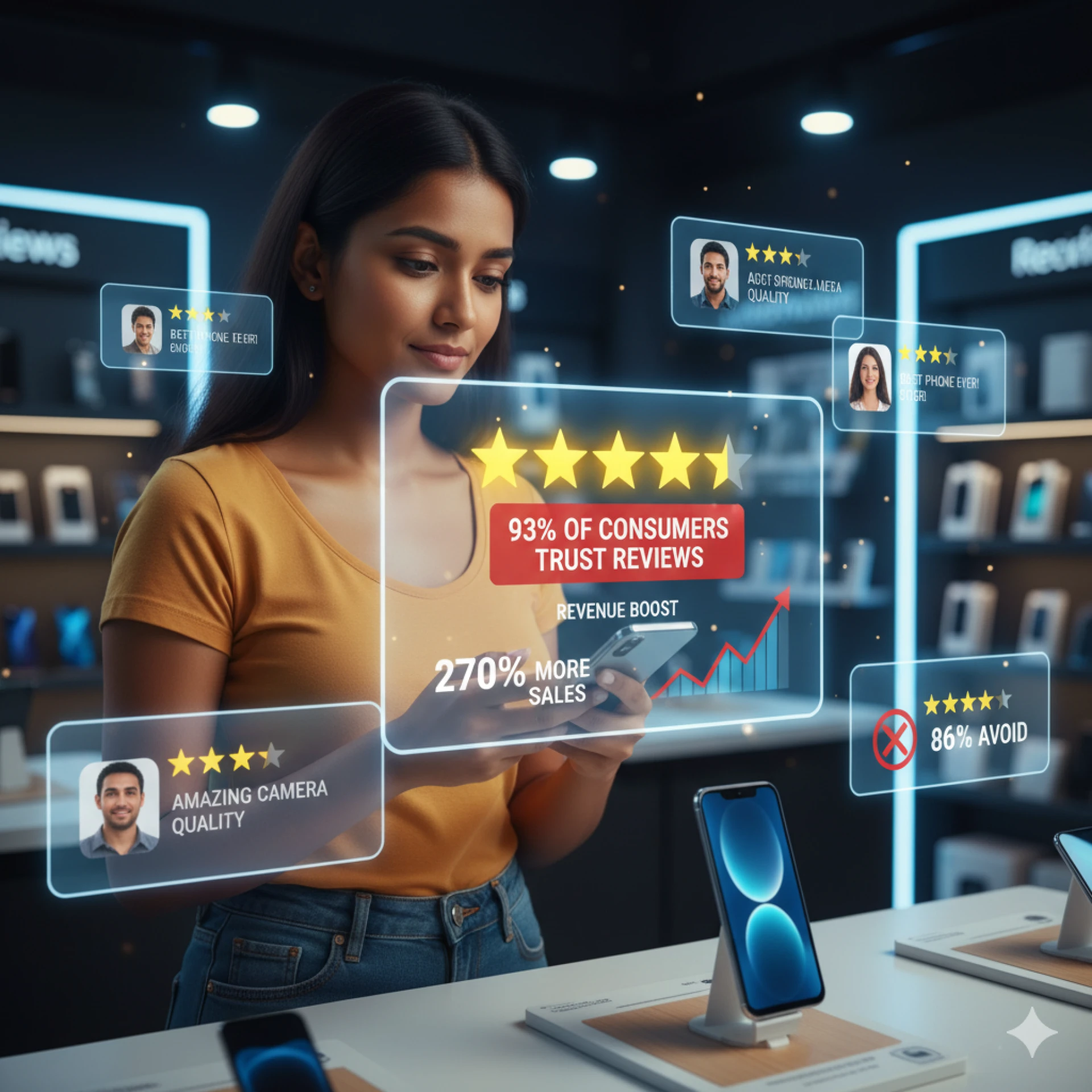

You feel the constant pressure to deliver better return on ad spend (ROAS). For years, social media ad targeting meant collecting massive amounts of user data to create narrow, precise audiences. That system is over. Regulatory changes and platform shifts force a fundamental pivot. By 2026, Artificial Intelligence (AI) stops being a helpful tool and becomes the entire operating engine for your social media marketing strategy. You must adapt your approach, moving from manual micro targeting to AI-driven hyper-personalization if you want your campaigns to succeed.
Privacy Forces the Shift from Microtargeting to Modeling
The era of relying on detailed third-party data to build custom audiences is closing. Regulations like GDPR and stricter platform policies demand greater consumer consent and data transparency. This privacy-first environment forces a massive change in how you approach targeting.
AI Replaces Behavioral Data with Predictive Models
Social media platforms restrict the detailed behavioral data you once used. This challenge actually pushes AI to become smarter. Instead of knowing a user clicked a specific link, the AI now analyzes billions of privacy-compliant data points to predict the user’s next action. It learns that users who spend a certain amount of time viewing a product video on a Tuesday afternoon are 40% more likely to buy. AI uses these complex, predictive models to deliver the ad, not simple demographic filters. Social media ad agency teams must shift their focus from inputting data to analyzing the AI's output.
First-Party Data Becomes Your Core Asset
You cannot rely on platforms to provide the data anymore. You must now prioritize collecting first-party data directly from your customers through your own website, email sign-ups, and loyalty programs. By 2026, this owned data becomes the most valuable and compliant source for personalization. You feed this high-quality first-party data into the platform's AI models. This improves the AI’s prediction accuracy, ensuring your social media marketing strategy remains highly effective despite platform data restrictions. Forrester research from 2024 shows that businesses using unified customer data achieve significantly higher revenue growth.
Automation Handles Execution, Humans Drive Strategy
AI is fully taking over the repetitive, tactical execution of ad campaigns. This change does not eliminate human roles; it elevates them. You stop being a button-pusher and become a strategic director.
AI Generates Dynamic, Real-Time Creative
AI systems automate the creation of ad variations. You upload a product image and a goal. The AI then generates multiple versions of the ad copy, different image layouts, and even short video clips. It instantly tests these creatives on small audiences. The system reallocates budget to the best-performing ad set in real-time, often within minutes. Static images and text ads quickly become outdated as AI makes dynamic, personalized creative the norm. Meta Platforms announced its vision to fully automate ad creation and targeting by the end of 2026, demonstrating this massive industry shift.
Agencies Pivot to Strategic Oversight
This high level of automation means you no longer focus on daily bid adjustments or A/B testing copy. Your role, particularly if you work for a social media ad agency, changes entirely. You must now focus on providing high-level brand narrative, ensuring AI-generated content remains consistent with your brand voice, and building a multi-channel growth strategy that extends beyond social platforms. You supervise the AI, ensuring its efficiency aligns with your ethical and creative human insights.
The Rise of Contextual and Immersive Targeting
As individual-level tracking declines, AI is improving its ability to target based on context and environment rather than a person's digital history. This creates new opportunities for your social media marketing strategy.
Targeting Shifts to Real-Time Context
AI targets the moment instead of the person. It analyzes what a user is currently viewing, the time of day, their device, and their geographic location to determine ad placement. For example, an AI identifies a user watching a travel reel about a beach destination. It immediately serves an ad for local sunscreens or flight deals, directly leveraging the current viewing context. This new contextual relevance improves ad performance without needing deep historical data on the individual.
Immersive Content Drives Conversion
AI now powers interactive and immersive ad experiences. You use augmented reality (AR) product try-ons and interactive 3D demos, generated instantly by AI, to grab user attention. This shift moves social media beyond basic product discovery and turns it into a fully functional commerce hub. The AI in social media market is expected to grow significantly, driven by the increasing demand for these personalized, immersive experiences.
Preparing Your Strategy for 2026
You must act now to prepare for this AI-driven advertising future. Do not wait for the market to force your hand.
Invest in First-Party Data Infrastructure
You need a clear plan to capture, unify, and utilize your own customer data. Implement a robust Customer Data Platform (CDP) to consolidate information from your website, CRM, and email. This clean, unified data is the fuel for the new AI targeting models.
Train Your Team for AI Supervision
You must train your marketing team to work with AI, not compete with it. Shift their focus to strategic planning, brand storytelling, and interpreting the complex data the AI generates. The ability to combine machine efficiency with human insight creates your future competitive advantage.























Sign in to leave a comment.