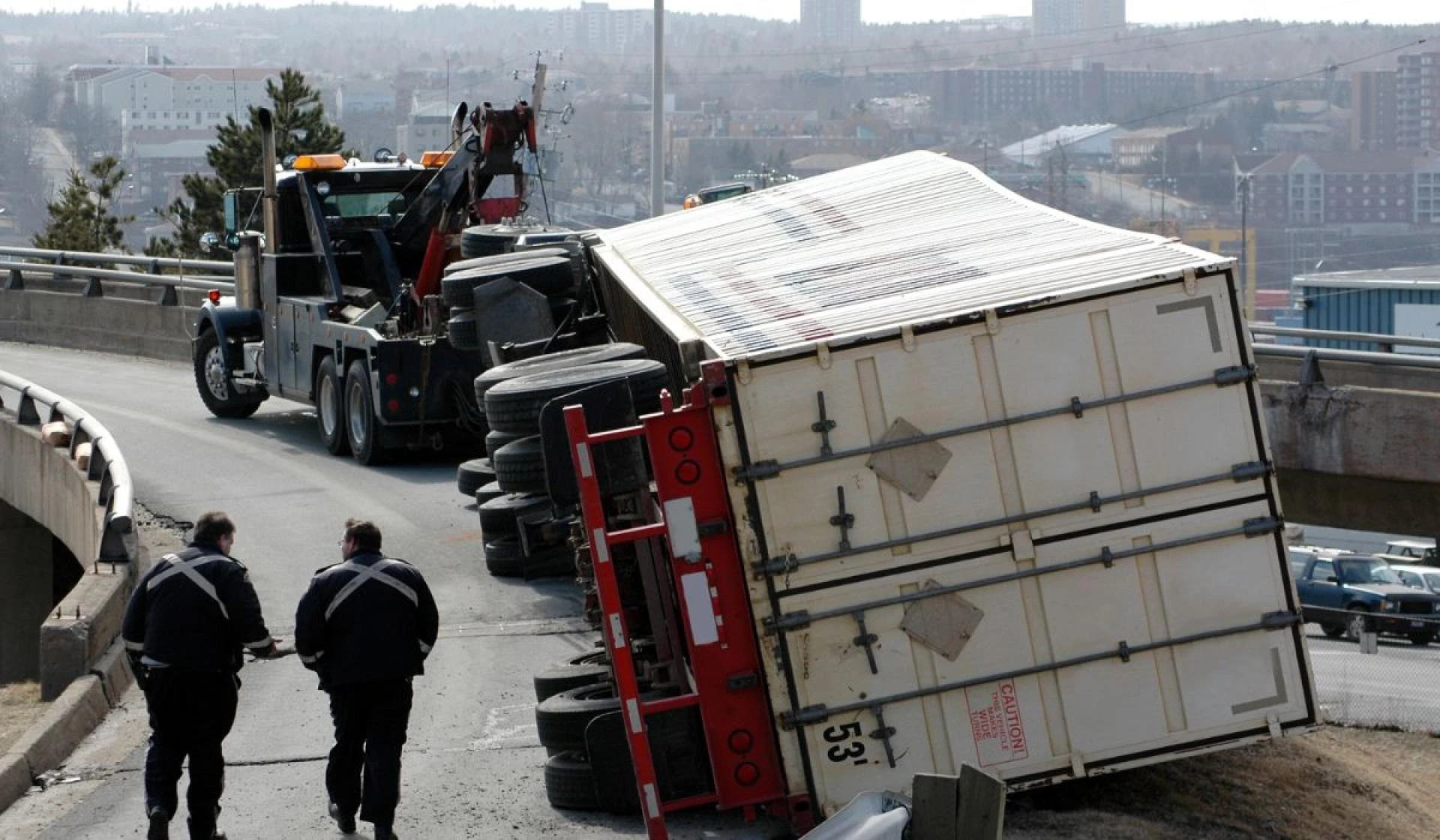

Truck accidents are among the most devastating types of road collisions, often resulting in severe injuries or fatalities. Given the sheer size and weight of commercial trucks, crashes involving these vehicles can lead to extensive property damage and life-altering injuries. If you or a loved one has been involved in a truck accident, understanding your legal options is crucial for securing compensation for medical bills, lost wages, and pain and suffering. This article will provide a comprehensive guide to truck accident injury claims, explaining your legal rights and steps to take after an accident.
Understanding Truck Accident Injury Claims
A truck accident injury claim is a legal process through which victims seek compensation for their injuries and damages resulting from a collision with a commercial truck. These claims are often complex due to the involvement of multiple parties, such as the truck driver, trucking company, vehicle manufacturers, and insurance providers. Unlike regular car accidents, truck accidents are governed by both state and federal laws, making it essential to have a solid legal strategy.
Common Causes of Truck Accidents
Truck accidents can occur due to various reasons, including:
- Driver Fatigue – Truck drivers often work long hours and may become drowsy behind the wheel, leading to impaired judgment and slower reaction times.
- Distracted Driving – Using mobile phones, adjusting GPS, or eating while driving can divert a driver's attention, increasing the risk of an accident.
- Speeding and Reckless Driving – Due to tight delivery schedules, some drivers may exceed speed limits, making it difficult to stop or control the vehicle.
- Improperly Loaded Cargo – Overloaded or unbalanced cargo can cause a truck to become unstable, leading to rollovers or loss of control.
- Mechanical Failures – Faulty brakes, tire blowouts, or engine malfunctions can lead to accidents, often due to poor maintenance.
- Weather Conditions – Rain, snow, and fog can reduce visibility and make roads slippery, increasing the likelihood of crashes.
Determining Liability in a Truck Accident
Establishing liability in a truck accident is more complicated than in regular car accidents because multiple parties may be responsible. The potentially liable parties include:
- Truck Driver – If the driver was fatigued, distracted, speeding, or under the influence of alcohol or drugs, they could be held liable.
- Trucking Company – The company may be responsible if it failed to conduct proper background checks, pushed drivers to exceed legal work hours, or neglected vehicle maintenance.
- Truck Manufacturer – If a defective truck part caused the accident, the manufacturer could be liable under product liability laws.
- Cargo Loaders – If improper loading contributed to the accident, the entity responsible for loading the truck may be held accountable.
- Maintenance Providers – If a third-party maintenance company failed to inspect or repair the truck properly, they could be liable for negligence.
Steps to Take After a Truck Accident
Taking the right steps after a truck accident can significantly impact your ability to file a successful injury claim. Here’s what you should do:
1. Seek Medical Attention Immediately
Even if you don’t feel injured right away, some injuries—such as internal bleeding or traumatic brain injuries—may not show symptoms immediately. A medical report will also serve as critical evidence for your claim.
2. Call Law Enforcement
A police report is crucial in documenting the details of the accident, including witness statements and initial assessments of fault.
3. Gather Evidence
Take photos and videos of the accident scene, including vehicle damage, road conditions, skid marks, and any visible injuries. Collect contact information from witnesses and the truck driver.
4. Avoid Admitting Fault
Be cautious with your words when speaking to the truck driver, police officers, and insurance adjusters. Even a simple apology could be misinterpreted as an admission of fault.
5. Consult a Truck Accident Attorney
Given the complexity of truck accident claims, hiring an experienced attorney can help you navigate the legal process, gather necessary evidence, and negotiate with insurance companies.
Types of Compensation Available in Truck Accident Claims
Victims of truck accidents may be entitled to different types of compensation, including:
Economic Damages
These are quantifiable losses that result from the accident, such as:
- Medical expenses (current and future)
- Lost wages and future earning capacity
- Property damage repair costs
Non-Economic Damages
These damages cover non-monetary losses, such as:
- Pain and suffering
- Emotional distress
- Loss of enjoyment of life
- Loss of companionship (for wrongful death claims)
Punitive Damages
In cases where the truck driver or trucking company acted with gross negligence or reckless disregard for safety, the court may award punitive damages to punish the wrongdoer and deter similar conduct in the future.
Filing a Truck Accident Lawsuit
If settlement negotiations fail, you may need to file a lawsuit. Here’s what to expect in the legal process:
- Filing a Complaint – Your attorney will draft and file a legal complaint outlining your claims against the responsible parties.
- Discovery Phase – Both sides exchange evidence, including accident reports, medical records, and expert testimonies.
- Settlement Negotiations – Many truck accident cases are settled before going to trial. Your attorney will negotiate on your behalf to secure fair compensation.
- Trial (if necessary) – If no settlement is reached, your case may go to trial, where a judge or jury will determine the compensation you deserve.
Statute of Limitations for Truck Accident Claims
Every state has a specific time limit for filing a personal injury claim, known as the statute of limitations. Typically, this period ranges from one to four years from the date of the accident. Missing this deadline can result in losing your right to seek compensation, so it’s essential to act promptly.
Conclusion
Truck accidents can lead to severe physical, emotional, and financial hardships. Understanding your legal options and taking the right steps can significantly impact your ability to recover compensation. If you or a loved one has been injured in a truck accident, consulting a skilled attorney can help you navigate the complexities of your claim, ensuring you receive the justice and compensation you deserve.





























Sign in to leave a comment.