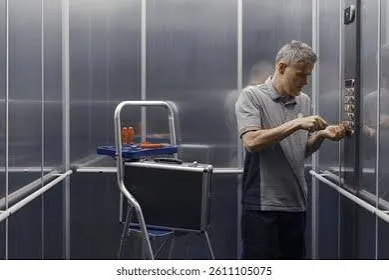

In commercial buildings, lifts are more than just a convenience—they are essential for daily operations, accessibility, and business continuity. Whether you manage an office complex, shopping centre, hotel, hospital, warehouse, or apartment building, an unexpected lift failure can disrupt operations, inconvenience occupants, and create safety concerns.
Emergency lift servicing for commercial buildings ensures that lift breakdowns are addressed quickly, professionally, and safely. A rapid response from experienced technicians helps minimise downtime, restore normal operations, and reduce the risk of further mechanical damage.
Why Emergency Lift Servicing Matters
Commercial lifts operate continuously throughout the day, transporting employees, customers, visitors, and goods. Heavy usage naturally increases wear and tear on mechanical and electrical components. When a lift suddenly stops working, every minute of downtime can impact productivity and customer experience.
Professional emergency servicing provides:
- Fast diagnosis of unexpected lift faults
- Prompt repairs to restore safe operation
- Reduced disruption to business activities
- Protection for passengers and building occupants
- Lower risk of expensive long-term repairs
Companies such as First Class Lifts provide 24/7 emergency breakdown response, fault diagnosis, repairs, emergency servicing, and post-repair safety inspections to restore lifts safely and efficiently.
Common Lift Emergencies in Commercial Buildings
Commercial lifts can experience a variety of unexpected issues, including:
Electrical Failures
Power supply interruptions, damaged wiring, or faulty control systems can cause lifts to stop unexpectedly.
Door Malfunctions
Lift doors that fail to open or close correctly can create safety risks and prevent normal operation.
Lift Entrapments
Passengers becoming trapped inside a lift require immediate professional assistance. Emergency technicians follow established rescue procedures before investigating the underlying fault.
Control System Errors
Modern lifts rely on sophisticated electronic systems. Software faults or controller failures may require specialist diagnostics and repairs.
Mechanical Component Failure
Wear in motors, cables, brakes, bearings, or drive systems can eventually lead to breakdowns if not addressed promptly.
The Emergency Lift Servicing Process
An experienced emergency lift service provider follows a structured approach to restore safe operation.
1. Immediate Response
Emergency calls are prioritised to minimise disruption and improve passenger safety.
2. Fault Diagnosis
Qualified technicians inspect the lift using specialised diagnostic equipment to identify the root cause of the issue.
3. Safe Repairs
Repairs are completed using appropriate replacement parts while following Australian safety standards and manufacturer recommendations.
4. Safety Testing
Before returning the lift to service, technicians perform comprehensive operational and safety checks to verify reliable performance.
5. Preventive Recommendations
After resolving the emergency, technicians may recommend maintenance or component replacements to reduce the likelihood of future failures.
Benefits of Professional Emergency Lift Servicing
Improved Passenger Safety
Safety is always the highest priority. Professional servicing ensures lifts are inspected and repaired according to recognised safety practices before being returned to service.
Reduced Business Downtime
Fast repairs help offices, retail centres, healthcare facilities, and commercial buildings resume normal operations as quickly as possible.
Lower Long-Term Maintenance Costs
Addressing faults early often prevents small problems from developing into major repairs or complete equipment failures.
Compliance Support
Routine inspections following emergency repairs help building owners maintain lift safety and regulatory compliance.
Commercial Buildings That Benefit from Emergency Lift Servicing
Emergency lift servicing is suitable for many property types, including:
- Office buildings
- Shopping centres
- Hotels
- Hospitals and healthcare facilities
- Aged care homes
- Apartment complexes
- Warehouses
- Industrial facilities
- Educational institutions
- Government buildings
Each environment has unique operational requirements, making rapid response essential when a lift becomes unavailable.
Preventing Future Lift Breakdowns
Although emergencies cannot always be avoided, regular maintenance significantly reduces the likelihood of unexpected failures.
A preventative maintenance programme should include:
- Scheduled inspections
- Mechanical and electrical testing
- Door system adjustments
- Lubrication of moving components
- Safety device testing
- Performance monitoring
- Early replacement of worn parts
Preventative maintenance helps extend lift lifespan while reducing emergency call-outs and operational interruptions.
Choosing the Right Emergency Lift Service Provider
When selecting a commercial lift servicing company, look for:
- Qualified and experienced lift technicians
- 24/7 emergency response availability
- Experience with commercial lift systems
- Fast response times
- Comprehensive fault diagnosis
- Preventative maintenance programmes
- Transparent communication and pricing
- Strong reputation for safety and reliability
Choosing an experienced provider helps ensure repairs are completed correctly the first time, reducing repeat failures and unnecessary downtime.
Why Businesses Trust First Class Lifts
For businesses in Perth, First Class Lifts delivers professional emergency lift repairs and servicing for commercial properties. Their experienced technicians provide rapid emergency call-outs, accurate fault diagnosis, comprehensive repairs, safety inspections, and ongoing maintenance designed to keep lifts operating safely and reliably. Their services also include preventative maintenance plans that help reduce future breakdowns and extend equipment life.
Conclusion
Unexpected lift failures can interrupt business operations, inconvenience building occupants, and create serious safety concerns. Investing in emergency lift servicing for commercial buildings ensures qualified technicians respond quickly, diagnose faults accurately, and restore lifts to safe working condition with minimal disruption.
For organisations that depend on reliable vertical transportation, combining rapid emergency support with regular preventative maintenance is the most effective way to improve safety, minimise downtime, and protect long-term equipment performance.

























Sign in to leave a comment.