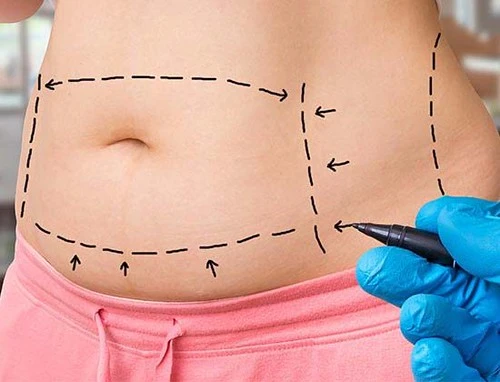

A tummy tuck, or abdominoplasty, is one of the most transformative cosmetic surgery procedures available for individuals seeking a tighter, smoother abdominal area. It addresses loose skin, excess fat, and weakened abdominal muscles, restoring a toned and youthful contour that diet and exercise alone often cannot achieve. For many, a tummy tuck is not just a cosmetic enhancement—it is the final step in a personal transformation after major life events such as pregnancy, significant weight loss, or aging.
Understanding What a Tummy Tuck Does
Over time, the abdominal area is subject to stretching from weight gain, pregnancies, or natural skin laxity due to aging. In many cases, the skin and muscles do not return to their original state, even after weight loss or regular exercise. A tummy tuck corrects these concerns by surgically removing excess skin and fat while tightening the abdominal muscles. The result is a firmer, flatter midsection that aligns with the body’s natural proportions.
Who Benefits from a Tummy Tuck
The ideal candidates for a tummy tuck are individuals in good overall health who are at or near their ideal weight. While the procedure can create dramatic improvements in body shape, it is not a substitute for weight loss. Instead, it works best for those who have already achieved their target weight but still struggle with loose skin, stretched muscles, or stubborn fat deposits. Many women choose to have a tummy tuck after pregnancy to repair abdominal muscle separation and restore pre-pregnancy contours. Men and women alike often seek the procedure after losing a large amount of weight, when skin elasticity is significantly reduced.
The Procedure Explained
A tummy tuck is performed under anesthesia and typically takes two to five hours, depending on the complexity and whether additional procedures are performed at the same time. The surgeon makes a horizontal incision low on the abdomen, positioned so it can be easily concealed under clothing. Through this incision, the surgeon tightens the underlying abdominal muscles, removes excess fat, and trims away loose skin. In many cases, the belly button is repositioned to maintain a natural appearance.
Some patients may opt for a mini tummy tuck, which involves a smaller incision and is suitable for those with mild skin laxity and no need for extensive muscle repair. Others may require an extended tummy tuck, which addresses the flanks and lower back in addition to the abdomen.
Recovery and Healing
Recovery from a tummy tuck requires patience and commitment to post-operative care. Most patients take at least two weeks off from work and daily responsibilities to focus on healing. Swelling, bruising, and tightness in the abdomen are common during the first stage of recovery, gradually subsiding over the following weeks. Compression garments are worn to support the abdominal area, reduce swelling, and help the skin conform to its new shape.
Light walking is encouraged soon after surgery to promote circulation, but strenuous activities and heavy lifting are avoided for six weeks or more. Follow-up appointments with the surgeon ensure the healing process is progressing as expected. While most swelling resolves within two to three months, it can take up to a year to see the final results.
Risks and Considerations
As with any surgical procedure, a tummy tuck carries some risks, including infection, poor wound healing, and changes in skin sensation. Choosing a qualified, board-certified plastic surgeon greatly reduces these risks. Patients should also understand that a tummy tuck will leave a scar, although it is strategically placed and fades over time. Maintaining a stable weight is crucial for preserving results, as significant weight fluctuations can compromise the outcome.
Long-Term Results and Benefits
The results of a tummy tuck are typically long-lasting, provided that patients maintain healthy lifestyle habits. The abdominal contour remains flatter, firmer, and more toned, and clothing often fits more comfortably and attractively. For many, the procedure brings not only physical transformation but also a boost in confidence and self-esteem. Improved core muscle strength can even enhance posture and reduce lower back discomfort.
A tummy tuck is more than a cosmetic fix—it is an investment in body confidence and comfort. By removing the physical reminders of past weight changes or pregnancies, the procedure allows patients to move forward with a renewed sense of self-assurance.




























Sign in to leave a comment.