

A positive school environment doesn’t happen by accident. It requires consistent effort, clear values, and active participation from both students and educators. While rules and policies are important, they are not enough on their own. Students need the knowledge, confidence, and support to make the right choices when faced with challenging situations.
This is where bully prevention in schools and anti-bullying training for students play a crucial role. These approaches go beyond simply reacting to incidents—they focus on preventing harmful behavior before it begins. By equipping students with the right skills and mindset, schools can create a culture of respect, empathy, and responsibility.
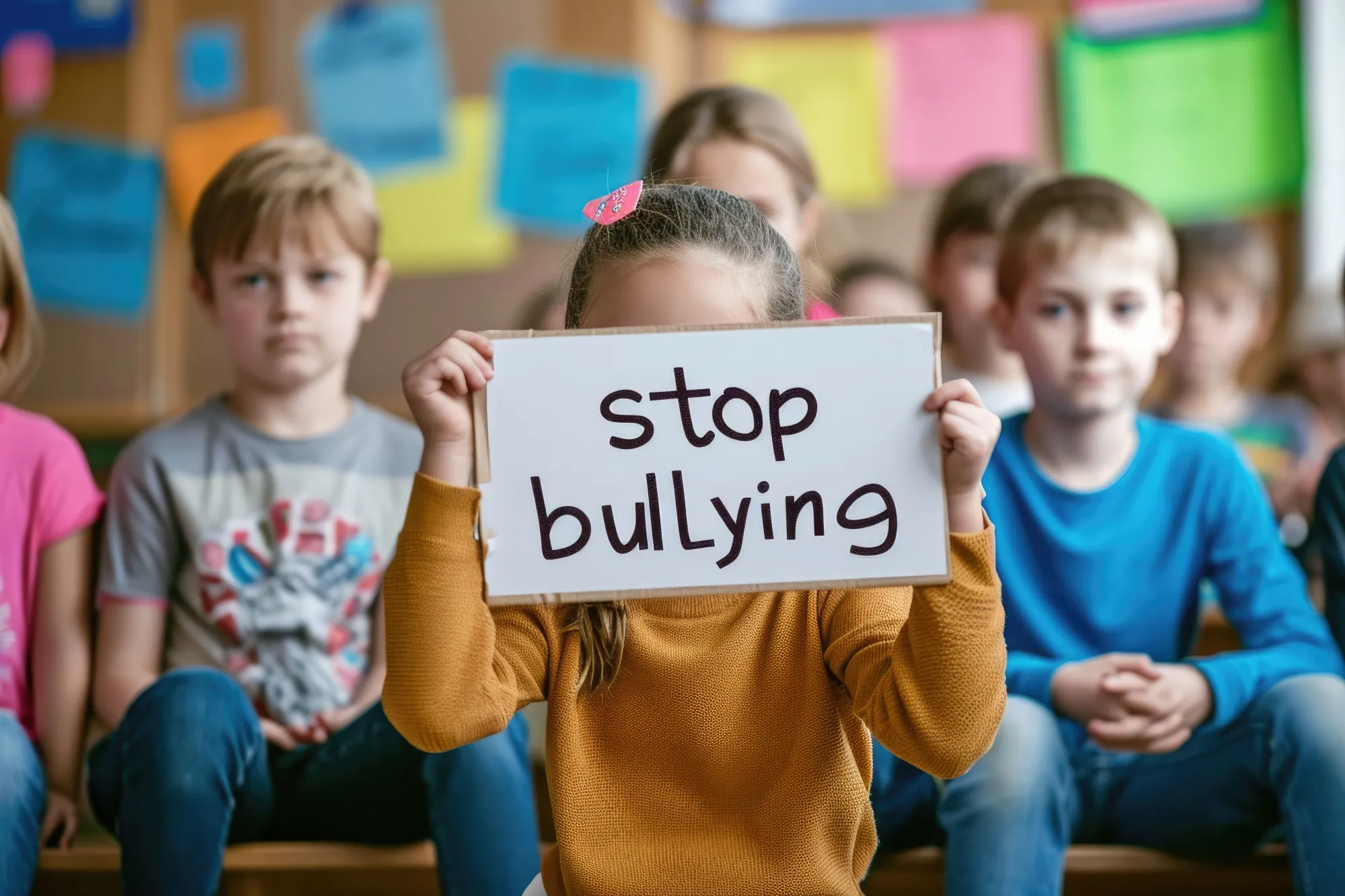
Why Bully Prevention Matters
Protecting Student Well-Being
Bullying can have lasting effects on a student’s emotional and mental health. It may lead to anxiety, low self-esteem, and reduced academic performance. Prevention efforts help protect students from these negative outcomes.
Creating a Safe Learning Environment
When students feel safe, they are more likely to participate in class, engage with peers, and perform better academically. A supportive environment encourages growth and confidence.
Encouraging Positive Behavior
Prevention strategies focus on promoting kindness, respect, and inclusion. These values help shape a more harmonious school culture.
Understanding Bully Prevention in Schools
A Proactive Approach
Bully prevention in schools focuses on stopping harmful behavior before it starts. Instead of waiting for incidents to occur, schools implement strategies that address the root causes of bullying.
Key Elements of Prevention
- Awareness Education: Teaching students about different types of bullying
- Empathy Building: Helping students understand the impact of their actions
- Clear Policies: Establishing rules and consequences
- Open Communication: Encouraging students to speak up
Early Intervention
Identifying warning signs early allows educators to address issues before they escalate. This proactive approach is essential for long-term success.
What Is Anti-Bullying Training for Students?
Skill-Based Learning
Anti-bullying training for students focuses on practical skills that help them respond effectively to bullying situations. These programs are designed to empower students with confidence and awareness.
Core Components
- Recognizing Bullying: Understanding different forms, including physical, verbal, social, and online
- Effective Communication: Learning how to express concerns and seek help
- Conflict Resolution: Managing disagreements in a positive way
- Standing Up Safely: Knowing how to support others without putting themselves at risk
Interactive Methods
Training often includes role-playing, group discussions, and real-life scenarios. These activities help students practice what they learn in a safe and supportive environment.
How Prevention and Training Work Together
Building Confidence to Act
When students receive proper training, they are more likely to take action when they witness bullying. They move from being passive observers to active participants in creating a safe environment.
Strengthening School Culture
Combining prevention strategies with training creates a unified approach. Students, teachers, and staff work together to promote respect and accountability.
Encouraging Peer Support
Students learn the importance of supporting one another. This sense of community reduces isolation and helps prevent bullying behaviors.
Key Features of Effective Programs
Consistent Implementation
Programs must be applied consistently across all grade levels. Regular reinforcement ensures that students understand and follow the guidelines.
Teacher and Staff Involvement
Educators play a vital role in guiding students and modeling positive behavior. Their support is essential for program success.
Student Engagement
Active participation helps students connect with the material. Peer-led initiatives can make programs more relatable and impactful.
Clear Reporting Systems
Students should feel comfortable reporting incidents. Safe and confidential systems encourage them to speak up.
Benefits of These Initiatives
Reduced Bullying Incidents
Proactive strategies and increased awareness lead to fewer cases of bullying.
Improved Relationships
Students develop stronger connections based on trust and respect.
Higher Academic Performance
A safe environment allows students to focus on learning and achieve better results.
Long-Term Life Skills
The lessons learned through these programs extend beyond school, helping students navigate future challenges.
Practical Steps for Schools
Introduce Awareness Campaigns
Organize events and activities that promote kindness and respect.
Provide Regular Training
Offer ongoing sessions to reinforce key concepts and skills.
Encourage Peer Mentoring
Older students can guide younger ones, creating a supportive network.
Involve Parents
Collaboration with families ensures that positive values are reinforced at home.
Overcoming Common Challenges
Student Reluctance
Some students may hesitate to participate. Creating a safe and inclusive environment can help build trust.
Maintaining Consistency
Programs require continuous effort. Regular updates and evaluations keep them effective.
Addressing Diverse Needs
Every student is different. Programs should be adaptable to meet a variety of needs and experiences.
The Future of School Safety
As awareness grows, schools are adopting more comprehensive approaches to bullying prevention. Technology, peer involvement, and community partnerships are becoming key components of these efforts.
By focusing on prevention and empowerment, schools can create environments where students feel valued and supported.
Conclusion
Bully prevention in schools and anti-bullying training for students are essential for creating safe and supportive learning environments. By promoting awareness, empathy, and action, these initiatives help reduce harmful behavior and encourage positive interactions.
When students are equipped with the right tools and support, they become active contributors to a respectful and inclusive school culture. Investing in these programs is not just about addressing challenges—it’s about building a better future for every student.
Frequently Asked Questions (FAQ)
1. What is the main goal of bully prevention in schools?
The goal is to stop bullying before it starts by promoting awareness and positive behavior.
2. How does anti-bullying training help students?
It teaches practical skills for recognizing, responding to, and preventing bullying.
3. Can these programs be used at all grade levels?
Yes, they can be adapted to suit different age groups and learning needs.
4. What role do teachers play in prevention?
Teachers guide, support, and reinforce the values taught in these programs.
5. How can parents support these efforts?
Parents can encourage open communication, model respectful behavior, and reinforce positive values at home.




























Sign in to leave a comment.