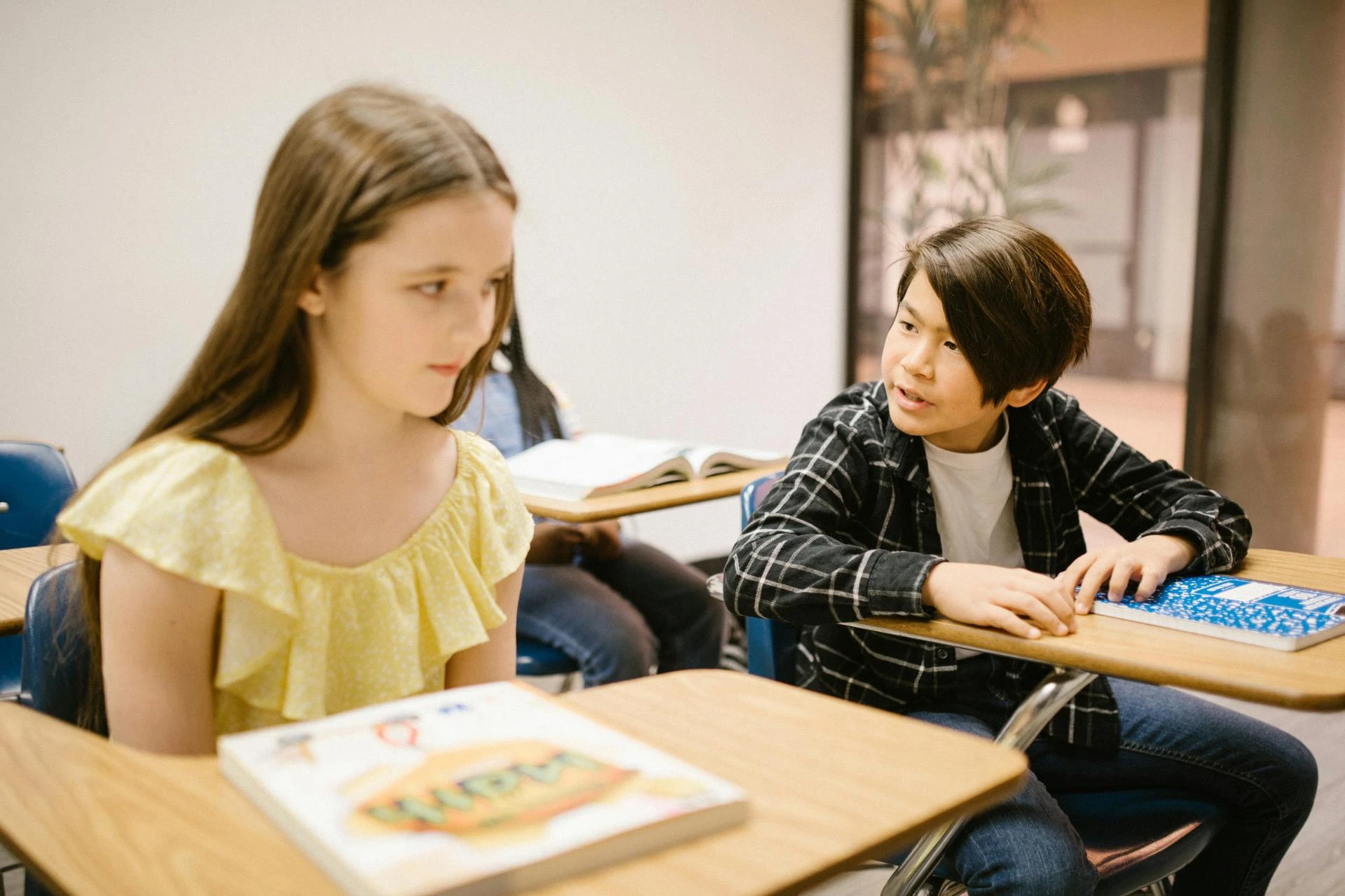

Creating a respectful and supportive school environment is essential for students’ emotional, social, and academic development. While many schools raise awareness about bullying, awareness alone is not enough. Students need the confidence, skills, and guidance to turn that awareness into meaningful action.
Bullying can negatively affect a student’s well-being, self-esteem, and ability to learn. That is why many educators are focusing on structured bully prevention programs that help students understand how their actions impact others and how they can respond when they witness harmful behavior.
Schools that actively encourage respect and empathy often see stronger relationships between students, improved classroom environments, and a greater sense of belonging among young people.
Why Awareness Alone Is Not Enough
Many schools already discuss bullying through assemblies, classroom discussions, and awareness campaigns. These efforts are valuable, but they must go beyond simply explaining what bullying is.
Students should be empowered with practical strategies that help them respond when they see disrespect or exclusion. Well-structured bullying prevention programs for schools teach students how to recognize harmful behavior, support their peers, and communicate in positive ways.
When students move from simply recognizing bullying to actively standing up for others, school culture begins to change. This shift encourages kindness, accountability, and respect throughout the school community.
Key Elements of Effective Student Action
To help students move from awareness to action, schools must focus on developing practical skills and supportive systems. Effective anti bullying programs usually include the following elements:
1. Building Empathy
Students should learn how their words and actions affect others. Activities that promote empathy help young people understand different perspectives and develop compassion.
2. Encouraging Student Leadership
When students feel empowered to lead by example, they become role models for their peers. Leadership opportunities allow students to promote kindness and respectful behavior throughout the school.
3. Teaching Safe Intervention Strategies
Students often want to help but are unsure how to do it safely. Bully prevention programs provide simple techniques such as:
- Supporting a targeted student
- Reporting harmful behavior to trusted adults
- Distracting or redirecting a negative situation
- Including isolated classmates in group activities
These strategies give students the confidence to act without putting themselves at risk.
4. Creating Supportive School Policies
Clear school policies help students understand expectations and consequences related to bullying. Combined with bullying prevention programs for schools, these policies reinforce positive behavior and accountability.
How Schools Can Encourage Respectful Action
Schools play a crucial role in shaping student behavior and attitudes. Educators, staff members, and school leaders can support respectful action in several ways.
Promote Positive Communication
Encouraging open conversations about kindness, respect, and inclusion helps students feel comfortable sharing their experiences. Teachers can guide discussions about how to handle difficult situations and support peers.
Recognize Positive Behavior
Celebrating acts of kindness and courage can reinforce positive actions. When students see their peers recognized for standing up for others, it motivates them to follow similar behavior.
Provide Consistent Guidance
Teachers and staff should consistently model respectful behavior. Students often learn by observing the actions of adults around them. Clear expectations and supportive guidance help reinforce lessons taught through anti bullying programs.
Engage the Whole School Community
Effective bullying prevention requires collaboration between students, educators, parents, and school leaders. When everyone works together, the message of respect becomes stronger and more meaningful.
Benefits of Student-Driven Respect
When students actively take a stand for respect, the entire school community benefits. Schools that implement strong bully prevention programs often notice improvements in several areas:
- Increased student confidence and leadership
- Stronger friendships and peer support
- Reduced bullying incidents
- A more inclusive and welcoming school environment
- Better focus on learning and academic success
Students feel safer and more supported when they know their peers are willing to stand up for kindness and fairness.
Moving Forward: Turning Awareness into Action
Building a respectful school culture takes time, commitment, and collaboration. However, when students are given the right tools and encouragement, they can play a powerful role in creating positive change.
Through structured bullying prevention programs for schools, educators can equip students with the skills needed to respond to bullying and promote respect. Combined with engaging anti bullying programs, schools can move beyond awareness and create environments where kindness, empathy, and courage thrive.
When students learn that their voices and actions matter, they become active participants in shaping a safer and more respectful future for everyone.




























Sign in to leave a comment.