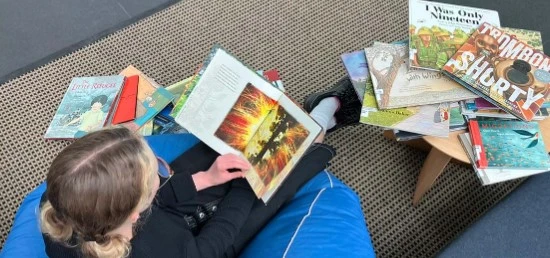

Imagine a world where stories aren’t just read but felt, heard, and explored through senses beyond sight. For readers without sight, the act of reading transforms into a deeply immersive experience where words unlock entire universes. This article explores the art of turning words into worlds for readers without sight, highlighting how inclusive storytelling empowers and enriches the lives of visually impaired readers. We will delve into techniques, technologies, and creative approaches that bring literature to life in new and meaningful ways.
Understanding the Needs of Readers Without Sight
Effective storytelling for readers without sight requires more than just converting text to braille or audio. It’s about crafting narratives that stimulate imagination and sensory engagement.
Sensory Richness Beyond Visuals
Words must evoke sounds, textures, tastes, and smells—details that sighted readers often take for granted. Descriptive language that appeals to all senses helps bridge the gap, transforming a story into a vivid mental landscape.
Accessibility is Key
Ensuring accessibility means embracing various formats: braille books, audiobooks, tactile graphics, and even immersive audio experiences. A professional approach recognizes that no single format suits all readers, so offering diverse options is essential.
Techniques for Crafting Inclusive Stories
Creating worlds for readers without sight involves specific narrative and stylistic strategies.
Detailed Descriptions with Emotional Depth
Rather than focusing solely on visual descriptions, emphasize emotions, actions, and sounds. For example, instead of "the sunset was beautiful," describe "the warmth of the fading light caressed the skin, while distant birds sang their evening songs."
Use of Metaphors and Analogies
Comparisons that tap into universal experiences allow readers to form mental images that are both personal and vivid.
Structured and Clear Narratives
Clarity helps listeners and braille readers navigate stories without confusion. Logical flow and repetition of key elements aid memory and understanding.
Technology Empowering Readers Without Sight
Modern technology revolutionizes how visually impaired readers access and enjoy literature.
Advanced Screen Readers and Braille Displays
Screen readers convert text to speech seamlessly, while refreshable braille displays provide tactile feedback. Both enhance autonomy and independence in reading.
Audiobooks and Immersive Audio
High-quality audiobooks with skilled narrators bring characters and settings to life. Enhanced audiobooks incorporating sound effects and music further deepen the experience.
Emerging Innovations: Haptic Feedback and VR
Cutting-edge technologies like haptic feedback devices and virtual reality are beginning to offer multisensory storytelling experiences, allowing readers to "feel" stories in novel ways.
The Role of Writers and Publishers
Writers and publishers play a critical role in making literature inclusive.
Inclusive Writing Practices
Authors should be mindful of diverse audiences, incorporating sensory-rich language and avoiding visual clichés.
Collaboration with Accessibility Experts
Partnering with professionals who specialize in accessibility ensures content is both engaging and usable for readers without sight.
Publishing in Multiple Formats
Offering books in braille, digital text, audio, and tactile formats broadens reach and inclusivity.
Conclusion
Turning words into worlds for readers without sight is a profound act of inclusion, imagination, and innovation. By embracing sensory-rich storytelling, leveraging technology, and committing to accessibility with the help from professionals like Living Paintings blind charity, writers, publishers, and educators can create immersive literary experiences that transcend visual limitations. The future of storytelling holds exciting possibilities, where every reader—regardless of sight—can journey through vibrant, unforgettable worlds crafted from words.
































Sign in to leave a comment.