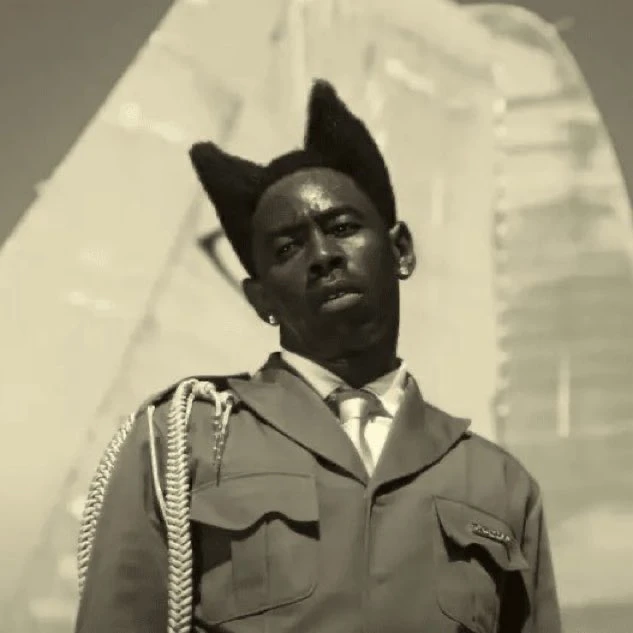

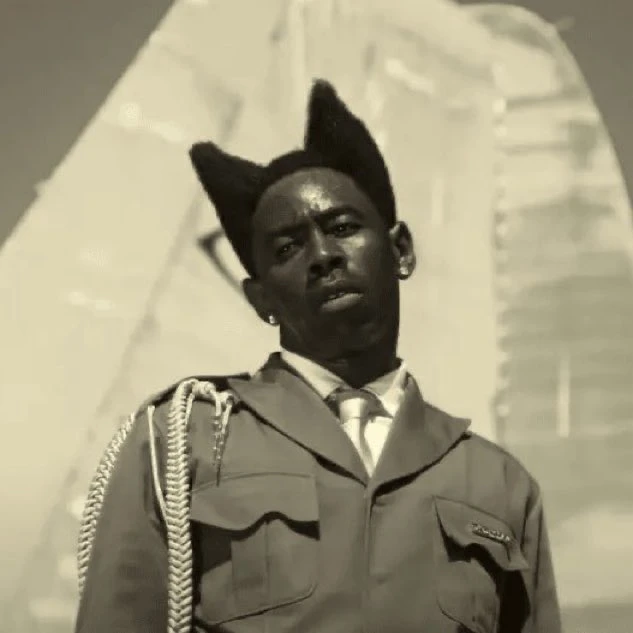
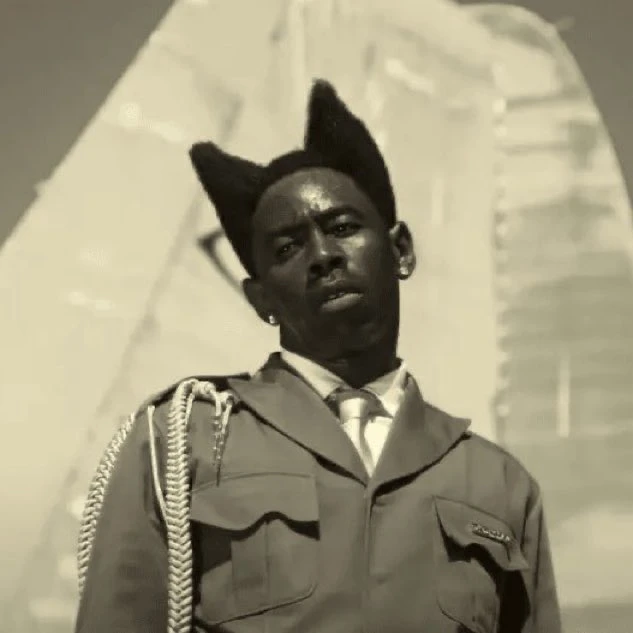
Tyler, The Creator is no longer just a rapper, producer, or oddball artist with a cult following—he’s become one of the most important visual storytellers of the 21st century. Since his explosive debut with Goblin, Tyler has meticulously shaped not only his sound but his aesthetic universe: a pastel-drenched, vintage-laced dreamland of rebellion and expression.
From clothing lines to music videos to the stagecraft of Call Me If You Get Lost, Tyler’s work represents a convergence of audio, fashion, and visual artistry. In today’s world, where brand identity often means more than raw talent alone, Tyler stands out as a multidimensional creator who turns everything he touches into an immersive experience.
This article dives into one of the lesser-discussed but equally powerful aspects of Tyler’s artistry—his visual language, and how it transcends music to influence culture, fashion, and digital expression.
The Evolution of Tyler's Aesthetic Identity
From the early days of Bastard and Wolf, Tyler’s visuals were gritty and anarchic—DIY album covers, skate videos, and lo-fi photography painted him as a chaotic genius. But as his career matured, so did his design sensibilities. Flower Boy marked a turning point, with its dreamy hues, surreal floral settings, and a deeply introspective mood that echoed throughout its visuals.
By the time IGOR arrived, Tyler had created a visual world as intricate as his sonic landscapes. The uniform of a blonde wig, pastel suits, and exaggerated facial expressions became instantly iconic. It wasn’t just about looking different—it was about telling a visual story that reflected the fractured, conflicted heart of the music.
His creative control extended to every detail: lighting choices in performances, the fonts on tour posters, and the meticulously curated Instagram grids. Tyler, quite literally, directed the way the world saw him.
Fashion as a Medium of Expression
While many artists flirt with fashion, Tyler embraces it as a medium in itself. His Golf Wang label—launched in 2011—was initially dismissed as just merch for die-hard fans. But over time, it has grown into a fully formed fashion house with runway shows, seasonal collections, and a loyal fanbase that spans streetwear enthusiasts and high-fashion watchers alike.
His designs, while playful and bright, also contain a quiet defiance. Tyler’s fashion blurs masculine/feminine lines, often using colors traditionally associated with softness—pink, mint, sky blue—while presenting silhouettes with bold, structured presence. He subverts norms without making it feel like a statement.
In doing so, he’s redefined what it means to be a fashion-forward artist. He doesn’t follow trends; he builds them.
Stagecraft and Worldbuilding
Tyler’s concerts are not just performances; they’re narrative landscapes. Each tour cycle has a distinct visual theme. For Call Me If You Get Lost, the stage transformed into a lavish cruise deck, with pastel props, travel-inspired sets, and even staged rainfall—fully immersing fans into the album’s exploratory ethos.
This obsession with worldbuilding isn't accidental. Tyler frequently cites Wes Anderson, Pharrell Williams, and Kanye West as creative influences—not just musically, but visually. Like them, Tyler understands that in today’s media ecosystem, people don’t just want content—they want universes to inhabit.
Merch as Cultural Artifact
No discussion about Tyler’s visual culture is complete without a nod to his merchandise. His merch isn’t just clothing with a logo—it’s a curated extension of his artistic vision. Fans don’t just wear his shirts because they’re fans; they wear them to align with a particular aesthetic and cultural movement.
Those looking to dive into this world often turn to the Tyler The Creator Merch Shop, where capsule collections are carefully themed, color-coordinated, and usually available in limited drops. Each piece—whether it’s a hoodie or a tote—feels like a collectible artifact from a larger Tyler-verse.
For those digging deeper into the design philosophy and artistic significance behind Tyler’s visual world, this in-depth fan resource offers a rich exploration of his stylistic evolution over the years. From album cover breakdowns to rare Golf Wang looks, it’s a fascinating glimpse into the gears turning behind the visuals.
Influence on Youth Culture and the Internet
Tyler has become a cornerstone of Gen Z’s cultural lexicon. His aesthetics—colorful, nostalgic, yet emotionally vulnerable—have become a template for a generation seeking to express themselves in layered ways. The “sadboi” energy of Flower Boy, the manic glamor of IGOR, and the suave bravado of Call Me If You Get Lost each resonate with different emotional currents of online youth culture.
Memes, fashion inspo reels, TikTok edits—Tyler’s visual language is everywhere. He doesn’t just influence culture; he creates frameworks for it to evolve within.
And his transparency in the creative process—sharing demos, mockups, sketches—encourages young artists to value the design process as much as the finished product. He makes creativity feel attainable.
Conclusion: The Creator of New Realities
In the world of Tyler, The Creator, nothing is accidental. Every color, cut, and composition serves a larger story. He’s not just building albums or outfits—he’s building emotional realities for fans to step into.
By weaving fashion, visual storytelling, and digital culture into the fabric of his brand, Tyler has done more than set trends—he’s established a blueprint for future artists on how to create meaningful, immersive experiences.
In a time when image often outshines substance, Tyler proves that both can thrive together—if handled with purpose. And in doing so, he’s not just a creator of music or fashion.
He’s a creator of worlds.



















Sign in to leave a comment.