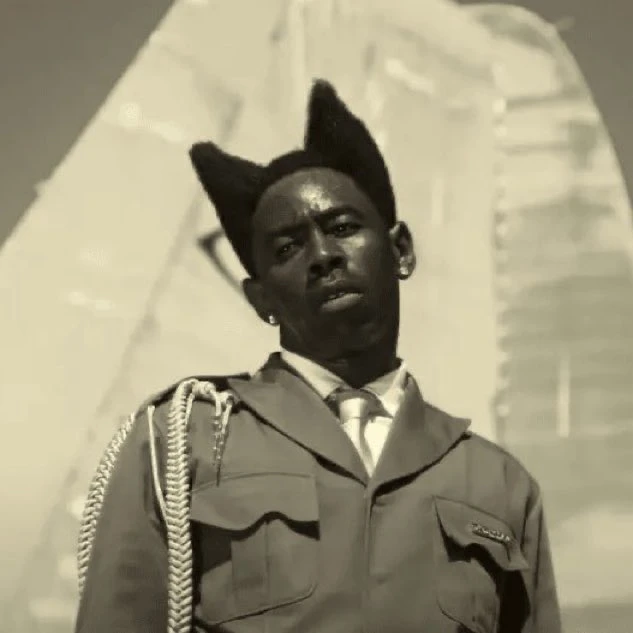

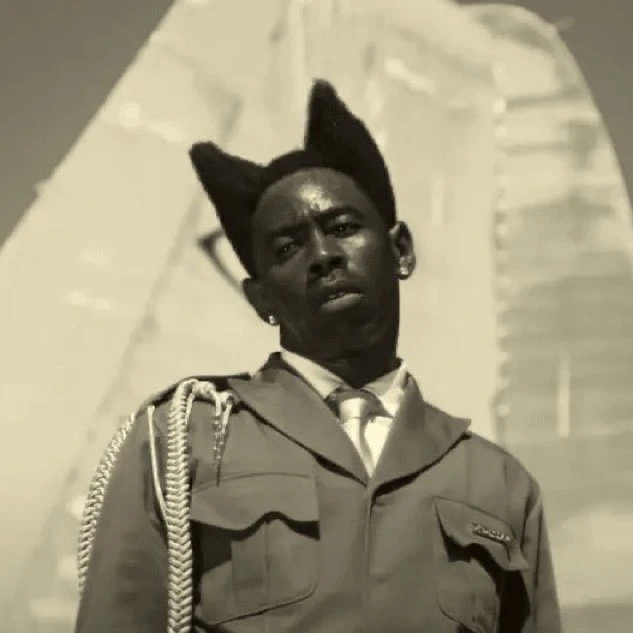
Tyler, The Creator isn’t just an artist; he’s a fully realized brand, a visual provocateur, and a force who rewrites the boundaries between music, fashion, and aesthetic culture. Since emerging on the scene in the late 2000s with the shockwave of Odd Future, Tyler has proven that his mind isn’t confined to one discipline. Whether he’s crafting bold soundscapes, designing offbeat fashion pieces, or directing a surreal music video, he’s creating an entire world—a universe that fans don’t just listen to, but live in.
In this article, we’ll explore how Tyler has evolved into one of the most innovative visual storytellers in the industry. From directing to graphic design, and even the layout of his merch ecosystem, his creative eye shapes every detail.
A DIY Vision Turned Global Identity
From the very beginning, Tyler made it clear he wasn't interested in following trends—he was determined to make them. Even before the release of his debut album Goblin, his early mixtapes and Odd Future videos were already drenched in a rebellious, lo-fi aesthetic. Shot with fisheye lenses, cast with his own crew, and layered with gritty distortion, his visuals were raw and deeply personal.
But what looked chaotic was, in truth, carefully curated. Tyler understood early on that identity is as much visual as it is sonic. Each album era—from Wolf to Igor—was matched with an entirely new aesthetic. Fans could see when he entered a new chapter: pastel suits, bleached wigs, vintage luggage, and Wes Anderson-esque symmetry.
Directing Under the Alias: Wolf Haley
Many fans don’t realize that Tyler directs nearly all of his music videos. Under the pseudonym Wolf Haley, he has created a signature visual style: surreal, often off-kilter, yet emotionally resonant. Videos like “Yonkers,” “See You Again,” and “EARFQUAKE” carry the same DNA: a quirky, sometimes unsettling mix of vibrant color palettes, odd camera angles, and dry humor.
In a landscape where many artists outsource visual work, Tyler insists on staying behind the lens. It’s not just about control—it’s about integrity. “If I have an idea in my head,” he once said, “I want to execute it exactly as I see it.” That refusal to compromise has turned him from just a rapper into a complete auteur.
Fashion as Performance Art
Tyler’s impact on fashion deserves its own documentary. Long before artist merch became a billion-dollar industry, he was treating clothes as storytelling tools. His early Odd Future era introduced donut logos, neon prints, and cartoonish designs that matched their youthful chaos. But as his music matured, so did his fashion.
By the time Igor and Call Me If You Get Lost dropped, he was wearing pastel suits, loafers, bell-bottoms, and shearling hats—nods to ‘70s soul, French elegance, and Wes Anderson characters. It wasn’t cosplay—it was concept.
And that concept extended to his clothing brand GOLF le FLEUR*. What started as a streetwear line has blossomed into a full-fledged fashion house, offering everything from silk scarves to nail polish. For fans who want official gear, the Tyler, The Creator Official Shop often features drops that mirror the exact mood of his eras, offering a cohesive visual story fans can literally wear.
Typography, Color, and Consistency
Part of what makes Tyler’s visual brand so striking is his consistency. Each album and project comes with its own font, color palette, and design language. Igor was all about pinks, blacks, and script fonts, giving a tragic-romantic vibe. Call Me If You Get Lost leaned into luxury travel aesthetics—passport stamps, vintage postcards, and faded blues and beiges.
Even his YouTube thumbnails and social media graphics follow specific templates. These decisions may seem minor, but they build subconscious trust with his audience. Tyler’s brand doesn’t just feel professional—it feels personal.
The Worldbuilding of Live Shows
Walk into any Tyler concert, and it’s not just a performance—it’s performance art. His live shows are immersive theater experiences. From the stage design to lighting, costume changes, and scripted transitions, Tyler doesn’t just play music—he sets scenes.
At Camp Flog Gnaw, his annual music festival, the visual elements go further. Giant installations, exclusive GOLF shops, and even custom-built carnival rides bring his mind to life. It’s more Disneyland than Coachella.
This worldbuilding is what separates him from peers. He’s not just selling songs; he’s selling a full-on identity—a lifestyle that his fans step into willingly.
A Quiet Genius on the Web
Though Tyler is famously anti-social on most platforms, he’s left digital breadcrumbs across obscure corners of the internet—many of them forgotten, but some still active. These include early blogs, fan communities, and even hidden discography notes or creative writing under old aliases.
For those curious about Tyler’s early inspirations or rare drops, sometimes exploring lesser-known corners like fan-driven hubs or profile sites can uncover more than meets the eye. One such example is:
➡️ https://mypage.syosetu.com/mypage/profile/userid/2902963/
It’s a reminder of how expansive Tyler’s footprint is—not always in your face, but always intentional.
Conclusion: When an Artist Becomes a Universe
Tyler, The Creator is no longer just a musician, or even just an artist—he’s a universe. His visual world is meticulously crafted, spanning across audio, fashion, merch, design, and even architecture. Every frame he directs, every outfit he wears, and every graphic he approves contributes to a unified vision that fans trust and crave.
And perhaps that’s the most revolutionary part of Tyler’s journey. In an industry obsessed with virality and algorithmic wins, he builds worlds. Slow, immersive, wildly creative worlds. And he invites his fans not to follow trends, but to step into his—and stay awhile.





















Sign in to leave a comment.