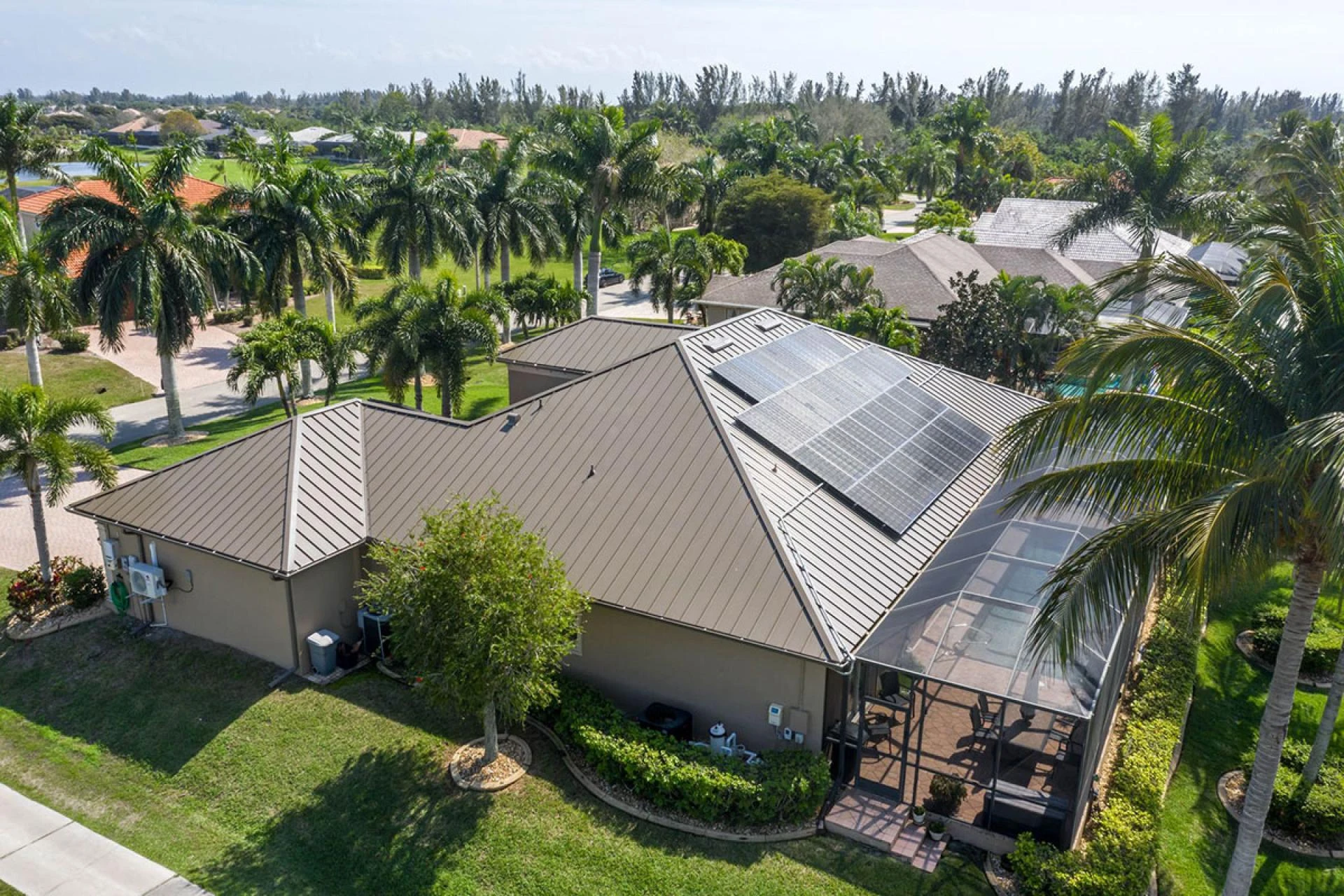

Whether you are replacing, upgrading or installing a new roof, it is important to understand the type and class of material used.
1. ASPHALT SHINGLES
Asphalt shingles are one of the most popular roofing materials, however, they are not as durable as other materials available today and because they are made from petroleum with fiberglass layering, they are not recyclable or eco-friendly.
ADVANTAGES:Available in a variety of colorsOne of the most inexpensive materialsDISADVANTAGES:Poor insulatorShort lifespanHouse Style and Design: Architectural/Traditional SuburbanNumber of Years Used: 15-30Eco-factor: Lowest (non-recyclable)2. CEDAR WOOD SHINGLES
Cedarwood shingles are the best cost-saving option. Cedarwood shingles are made from real natural wood, perfect for Victorian or Colonial-type homes. Besides their durability from extreme weather conditions, cedarwood shingles are energy-efficient and can provide insulation twice that of asphalt shingles.
ADVANTAGES:Energy efficient/eco-friendlySmart-looking appeal or classic styleWind resistant/highly durableDISADVANTAGES:Expensive installationRegular maintenance requiredHouse Style and Design: Victorian/Cabin-style/Colonial typeNumber of Years Used: 20-40Eco-factor: High (eco-friendly)3. CLAY/CONCRETE TILES
Clay/concrete roofing tiles offer elegance, long-lasting aesthetics, agility, increased strength and protection to homeowners. These versatile tiles come in shingles, shakes, and slates and are available in several hues, shapes, textures, and styles.
ADVANTAGES:Aesthetic appealEnergy-efficientHighly durableRecyclableResistant against fires and insectsSeveral available optionsDISADVANTAGES:Expensive (compared to asphalt, metal, and wood)Heavyweight (additional framing)House Style and Design: Ranch-style/Mediterranean/European/Mission /Contemporary/Spanish-styleNumber of Years Used: 50+Eco-factor: High (eco-friendly)4. FIBER CEMEN
Fiber-cement roofing is a combination of clay, concrete, and wood fiber. Appearing similar to shakes, fiber-cement material is strong and fire-resistant. When installed, they do not require heavy roof supporting structures because they are not as heavy as concrete tile. Fiber cement is available in a variety of colors and textures
ADVANTAGES:Eco-friendlyFire-resistantHighly durableDISADVANTAGES:HeavySensitive to cold climates (cracks)House Style and Design: Any Architectural StyleNumber of Years Used: 20-30Eco-factor: High (eco-friendly)5. METAL ROOFING
The ultimate care-free and maintenance-free roofing material with a lifespan of 5 decades or more. Metal roofing is becoming increasingly popular among residential properties in the United States due to its practicality, durability and strength.
ADVANTAGES:Highly energy-efficient/high insulation retentionLightweight/sleekLowest maintenanceNo required replacement or repairsResistant to changing weather, moisture, pests and rotDISADVANTAGES:ExpensiveNoisy during rainy days (if without solid sheathing in between)Availability Material: Copper/Aluminum/Zinc/Stainless Steel (Recycled Component)House Style and Design: Cottage/ Bungalow/Ranch/ContemporaryNumber of Years Used: 50-100Eco-factor: Very High (energy-efficient/eco-friendly)6. SLATE
Slate roofing is a stunner, usually seen on century old European structures. Slate is a stunner because of its distinctive appearance. Though heavy, it is non-leaching and may last for hundreds of years.
ADVANTAGES:Fire-resistantHighly durableLow maintenanceRecyclableDISADVANTAGES:ExpensiveHeavy (extra framing)Requires installation specializationHouse Style and Design: Colonial/French ChateauNumber of Years Used: 50-100Eco-factor: Very High (eco-friendly)7. SYNTHETIC-COMPOSITE SHINGLES
Synthetic composite roofing shingles or tiles are made from a mixture of several commonly used materials including asphalt, fiberglass, clay, and recycled paper products. Synthetic composite roofing shingles or tiles are the modern-day roofing material.
ADVANTAGES:Fire-proof/rot-proofHighly resilientLight-weightMade from an engineered plastic componentWeather resistantFire-proof/rot-proofHighly resilientLight-weightMade from an engineered plastic componentWeather resistantDISADVANTAGES:Expensive installationHouse Style and Design: Nantucket/ColonialNumber of Years Used: 100 years or moreEco-factor: High (eco-friendly8. TILE ROOFING
Tile roofing is the time-tested roofing material. From ancient times until present, tile roofs have provided elegance, class, and prestige. There are four types of tile roofs namely traditional clay tiles, slate tiles, concrete tiles, and fiber-cement tiles with materials available in a wide range of colors, textures, and styles.
ADVANTAGES:DurableEnergy efficientRecyclableStrongDISADVANTAGES:Expensive (compared to asphalt/metal/wood)FragileRequires installation specializationTime-consumingHouse Style and Design: Mediterranean or EuropeanNumber of Years Used: 50 years or moreEco-factor: High (eco-friendly)9. WOOD ROOFING
Wood roofing, available in shingles and shakes, is generally made from cedar because of its resistance to rot and insects. Shingles are smooth and cut by machines, while wooden shakes are handmade and rougher.
ADVANTAGES:Most eco-friendly/recyclableNatural insulatorDISADVANTAGES:ExpensiveHazardousHigh maintenanceVulnerable to moss and algae growth (humid/rainy climate)House Style and Design: Tudor-style/Craftsman/CapeNumber of Years Used: 5-10 yearsEco-factor: High (eco-friendly)FLORIDA’S ROOFING EXPERTS
Sabal Construction & Roofing LLC provides high-quality and affordable roofing materials and services to residential and commercial businesses in Southwest Florida. Our team of roofing specialists install, repair and upgrade roofs with the leading roofing materials and techniques.
Insurance Restoration ServicesResidential RoofingCommercial RoofingDiscover more calling Sabal Construction & Roofing LLC at (800) 591-5896 or visiting our website.






















Sign in to leave a comment.