

Types of Lip Fillers: A Complete Guide
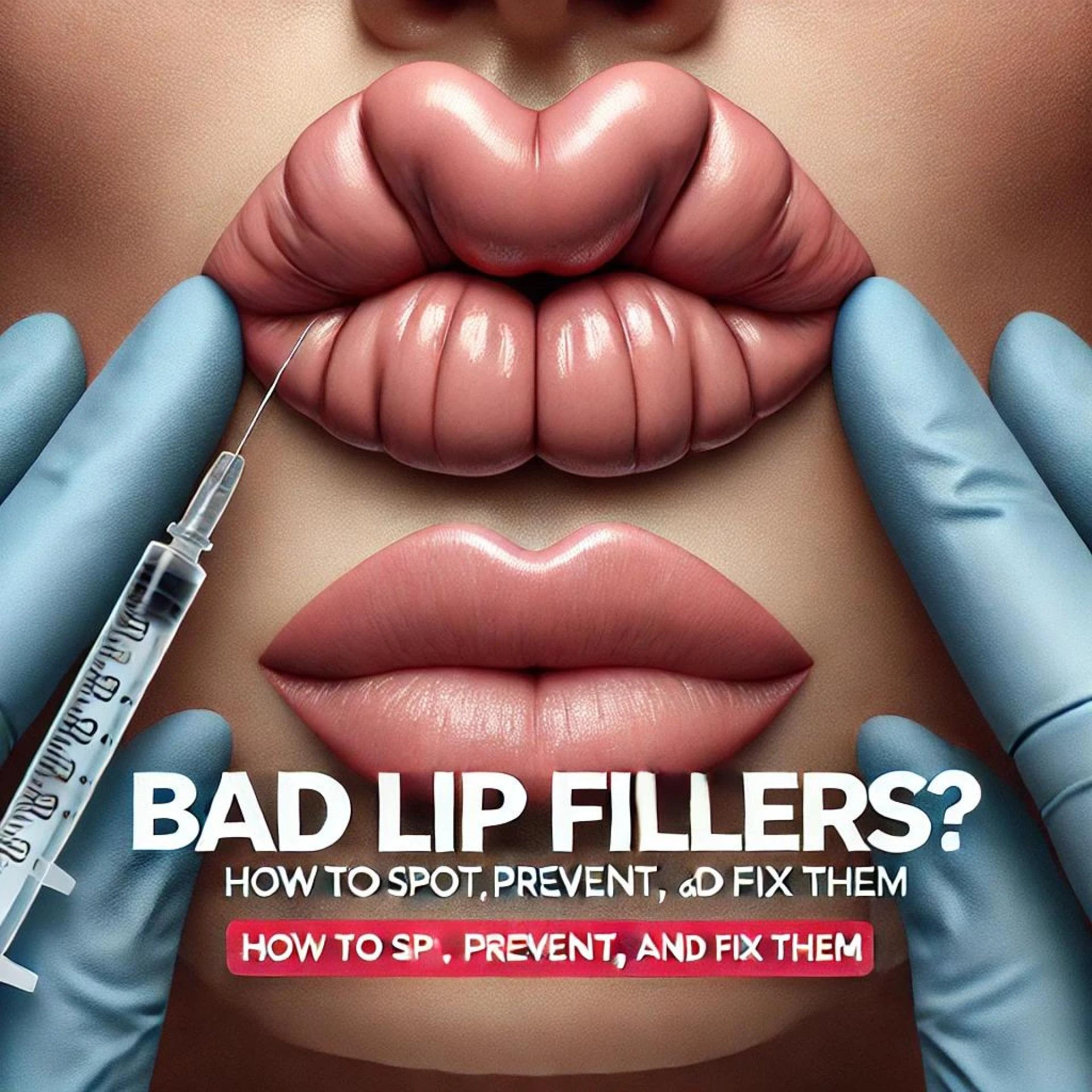
Lip fillers have gained massive popularity as one of the most effective cosmetic treatments for achieving fuller, well-defined lips. If you're considering lip augmentation, it's essential to understand the different types of lip fillers available. In this guide, we'll break down the best options, their benefits, risks, and the top clinics in Orlando, FL, where you can get high-quality treatments.
Top 6 Types of Lip Fillers
1. Hyaluronic Acid (HA) Fillers
Hyaluronic acid, this type of lip fillers are the most popular lip fillers because they are naturally compatible with the body. These fillers provide hydration, volume, and a smooth finish while allowing easy adjustments.
Popular HA Fillers:
- Juvederm – Offers long-lasting, smooth results for up to 12 months.
- Restylane – Restylane best for definition and contouring with firmer support.
- Belotero Balance – Provides subtle, soft, and natural results.
Benefits:
- Natural-looking and reversible
- Hydrates lips while adding volume
- Minimal downtime with quick recovery
Risks & Side Effects:
- Temporary swelling and bruising
- Possible lump formation if not injected properly
- Requires maintenance treatments
2. Collagen Fillers
Collagen fillers, a type of lip fillers that were once gold standard but have become less common due to the rise of HA-based fillers. They still provide a firm structure and long-lasting results.
Popular Collagen Fillers:
- Zyderm & Zyplast – Derived from bovine collagen, offering firm texture.
Benefits:
- Provides natural firmness
- Long-lasting results (up to 6 months)
- Enhances lip texture subtly
Risks & Side Effects:
- Higher risk of allergic reactions
- Requires skin allergy testing before use
- Less flexibility than HA fillers
Poly-L-Lactic Acid (PLLA) Fillers
PLLA fillers work differently from traditional fillers by stimulating natural collagen production instead of adding immediate volume.
Popular PLLA Fillers:
- Sculptra – Gradually increases lip volume over time.
Benefits:
- Long-lasting effects (2+ years)
- Stimulates natural collagen growth
- Improves lip texture over time
Risks & Side Effects:
- Takes several months to show full results
- Requires multiple sessions for best outcomes
- May cause uneven collagen production
4. Calcium Hydroxylapatite (CaHA) Fillers
CaHA fillers, mainly used for facial contouring, can also enhance lip volume with a firmer texture.
Popular CaHA Fillers:
- Radiesse – Offers volume and structure with long-lasting results.
Benefits:
- Provides structure and natural volume
- Lasts up to 18 months
- Biodegradable and body-absorbable
Risks & Side Effects:
- Not easily reversible
- Can feel firmer than HA fillers
- Less commonly used for lips
5. Permanent Lip Fillers (Silicone Implants)
For those who prefer a long-term solution, silicone lip implants provide a permanent option.
Popular Permanent Fillers:
- Permalip Implants – Soft silicone implants designed for long-lasting results.
Benefits:
- Eliminates the need for frequent touch-ups.
- Maintains a stable lip shape and volume.
- Ideal for those seeking permanent enhancement.
Risks & Side Effects:
- Higher risk of complications.
- Requires surgical removal if unsatisfied.
- Can feel less natural compared to HA fillers.
6. Fat Transfer Lip Augmentation
Fat transfer uses your own fat from another body part to enhance the lips.
Benefits:
- Uses natural body fat, minimizing rejection risk.
- Long-lasting if the fat survives the transfer.
- Enhances lip texture and smoothness.
Risks & Side Effects:
- Fat absorption can be unpredictable.
- Requires a minor liposuction procedure.
- Longer recovery time than HA fillers.
What Are Lip Fillers?
Lip fillers are injectable substances used for lip enhancement, shape, and definition. These fillers are primarily made from hyaluronic acid (HA) or other biocompatible materials that provide temporary or long-lasting results.
How Do Lip Fillers Work?
All types of lip fillers work by injecting a gel-like substance into targeted areas of the lips to create volume and structure. The most commonly used fillers are made from hyaluronic acid, which retains moisture and enhances lip plumpness naturally. Some fillers also stimulate collagen production, leading to long-term lip improvement.
Why Choose Lip Fillers?
- Enhance lip volume and symmetry
- Reduce fine lines and wrinkles around the lips
- Improve facial balance and proportions
- Achieve a youthful, fuller appearance
- Boost confidence with a natural enhancement
Best Clinics for Lip Fillers in Orlando, FL
1. New U Med Spa – New U Med Spa leading clinic offering all types of lip fillers treatment and specially Botox with advanced techniques.
2. Orlando Aesthetic Institute – Specializing in high-quality HA and collagen fillers.
3. CosmetiCare Orlando – Known for their skilled injectors and customized lip enhancement treatments.
4. Elite Medical Spa Orlando – Provides a range of filler options tailored to individual needs.
5. Youthful You Med Spa – Offers natural-looking results with a focus on facial aesthetics.
FAQs
1. How long do lip fillers last?
Most lip fillers last between 6 to 12 months, while some can last up to 2 years, depending on the type and brand.
2. Are lip fillers painful?
Lip fillers may cause mild discomfort, but numbing creams or local anesthetics are used to minimize pain.
3. Can lip fillers be reversed?
Yes, hyaluronic acid fillers can be dissolved with hyaluronidase if needed.
4. What is the best lip filler for natural results?
Juvederm and Restylane are among the top choices for achieving natural-looking results.
5. How much do lip fillers cost in Orlando, FL?
All types of Lip fillers prices vary but typically range from $500 to $1,500 per session.






























Sign in to leave a comment.