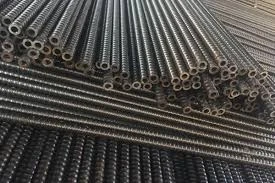

Rock bolts play an indispensable role in modern engineering and construction projects, particularly in mining, tunneling, and geotechnical applications. They provide essential support to ensure stability and safety in excavations, tunnels, and slopes. This blog dives into the various types of rock bolts, their characteristics, applications, and benefits, offering insights to help you make informed choices for your projects.
What Are Rock Bolts?
Rock bolts are anchoring devices used to stabilize rock formations in construction and mining. They work by anchoring the rock layers together, creating a cohesive and stable structure. Rock bolts come in various types, each designed for specific geological conditions and project requirements.
Why Are Rock Bolts Important?
- Structural Stability: Rock bolts prevent collapses by reinforcing weak rock formations.
- Safety: They minimize risks in hazardous environments like mines and tunnels.
- Cost-Effectiveness: Stabilizing structures with rock bolts reduces the need for extensive excavation and support systems.
- Versatility: Suitable for various applications, including underground mines, slopes, and retaining walls.
Types of Rock Bolts
There are several types of rock bolts, each tailored to meet unique project demands. Let’s explore them in detail.
1. Mechanical Rock Bolts
Mechanical rock bolts, also known as expansion shell bolts, are among the most common types. These bolts are anchored by mechanical expansion against the rock surface.
- Components: Bolt, nut, and an expansion shell.
- Applications: Ideal for short-term stabilization in tunnels and underground mining.
- Advantages:
- Quick installation.
- Adjustable tension for specific needs.
- Limitations: Not suitable for long-term support due to corrosion risks.
2. Resin Rock Bolts
Resin rock bolts rely on resin-based adhesives to anchor the bolt into the rock. These bolts provide robust support in demanding conditions.
- Components: Bolt, resin cartridges, and a mixing nozzle.
- Applications: Widely used in mining, tunneling, and slope stabilization.
- Advantages:
- High load-bearing capacity.
- Durable and corrosion-resistant.
- Limitations: Requires precise installation techniques.
3. Grouted Rock Bolts
Grouted rock bolts use cement or other grout materials to fix the bolt in place. These bolts offer strong and long-lasting stabilization.
- Components: Steel bolt, grout, and a grout pump.
- Applications: Suitable for long-term support in tunnels and retaining walls.
- Advantages:
- Excellent load distribution.
- High durability.
- Limitations: Installation is time-consuming and requires skilled labor.
4. Friction Rock Bolts
Friction rock bolts, or split-set bolts, generate friction between the bolt and the rock to provide support. They are commonly used in mining operations.
- Components: Steel tube and a washer.
- Applications: Short- to medium-term stabilization in underground mines.
- Advantages:
- Simple and quick to install.
- No need for external anchoring materials.
- Limitations: Limited load-bearing capacity compared to resin or grouted bolts.
5. Cable Bolts
Cable bolts are made from high-strength steel cables and are used for deep and complex rock formations. They are often employed in large-scale projects.
- Components: Steel cable, grout, and tensioning devices.
- Applications: Long-term stabilization in mining and large excavations.
- Advantages:
- High flexibility and strength.
- Suitable for high-stress environments.
- Limitations: Requires complex installation processes.
6. Self-Drilling Rock Bolts
Self-drilling rock bolts combine drilling and anchoring functions, making them highly efficient for projects requiring speed and precision.
- Components: Drill bit, hollow bolt, and grout.
- Applications: Used in soft or unstable rock formations.
- Advantages:
- Saves time with simultaneous drilling and grouting.
- High reliability in weak rock conditions.
- Limitations: Higher material cost compared to other types.
7. Dowel Rock Bolts
Dowel bolts are passive bolts that provide support without tensioning. They work by interlocking rock formations.
- Components: Plain steel or fiberglass rods.
- Applications: Used in low-stress environments.
- Advantages:
- Economical and easy to install.
- Low maintenance requirements.
- Limitations: Limited to low-load applications.
Factors to Consider When Choosing Rock Bolts
Selecting the right types of rock bolts depends on various factors, including:
- Rock Condition: Analyze the geological structure and stability of the rock formation.
- Load Requirements: Determine the load-bearing capacity needed for the project.
- Environmental Conditions: Consider factors like corrosion, water presence, and temperature.
- Project Duration: Short-term or long-term stabilization needs may dictate the choice of rock bolts.
- Cost: Evaluate the cost-effectiveness of the selected type based on project constraints.
Installation Techniques
Proper installation is crucial to the effectiveness of rock bolts. Here are some standard installation steps:
- Drill a Hole: Create a hole in the rock using a drill. The diameter and depth depend on the type of bolt.
- Insert the Bolt: Place the rock bolt into the drilled hole.
- Apply Anchoring Material: Use resin, grout, or friction mechanisms to anchor the bolt.
- Tension the Bolt: Apply the required tension to ensure stability (for tensioned bolts).
- Inspect: Perform a thorough inspection to verify the installation.
Benefits of Using Rock Bolts
- Enhanced Safety: Rock bolts prevent rockfalls and collapses, ensuring worker safety.
- Increased Efficiency: Stabilized structures allow construction and mining activities to proceed smoothly.
- Cost Savings: Reduces the need for extensive excavation and support systems.
- Versatility: Suitable for various applications, including slopes, tunnels, and retaining walls.
Innovations in Rock Bolting
The field of rock bolting is continually evolving with advancements in materials and techniques. Innovations like fiber-reinforced bolts, automated installation systems, and environmentally friendly grouts are improving efficiency, safety, and sustainability.
Conclusion
Understanding the different types of rock bolts and their applications is essential for ensuring the success and safety of construction and mining projects. From mechanical bolts for quick fixes to cable bolts for heavy-duty applications, each type serves a specific purpose. By considering factors such as rock conditions, load requirements, and environmental factors, you can select the most suitable rock bolt for your project.
Rock bolts are more than just anchoring tools—they are critical components in modern engineering that contribute to safer and more efficient construction practices.
For more insights on rock bolts and their applications, visit our blog at Argentium.




























Sign in to leave a comment.