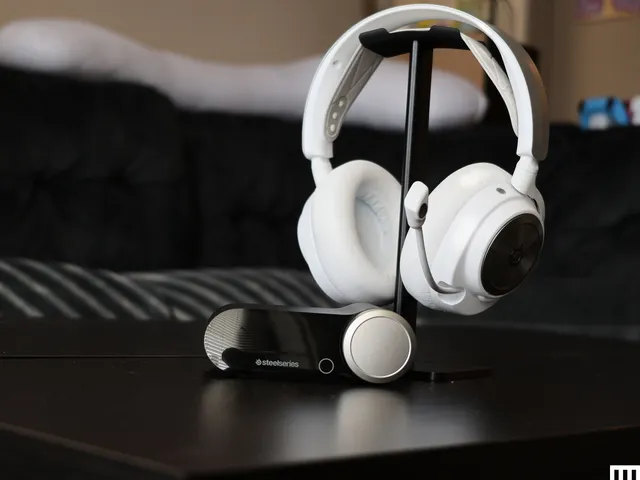

Wireless vs. Wired Gaming Headsets: Which Should You Choose in 2026?
The debate between wireless and wired gaming headsets has evolved significantly over the past few years, with technological advances narrowing the performance gap that once made wired headsets the undisputed choice for serious gamers. As we navigate through 2026, wireless technology has matured to the point where latency concerns have largely disappeared, battery life has extended to marathon gaming session lengths, and audio quality rivals or matches wired alternatives. Yet wired headsets maintain relevance with guaranteed reliability, zero battery anxiety, and often lower prices for equivalent audio quality. This comprehensive guide examines both options through the lens of current technology to help you make an informed decision based on your specific gaming needs, preferences, and circumstances.
Understanding which headset type suits you best requires examining multiple factors beyond simple wireless convenience versus wired reliability. Your gaming environment, the types of games you play, how long your typical sessions last, whether you create content or stream, and your budget all influence which technology serves you better. This article provides the detailed analysis you need to choose confidently between wireless and wired gaming headsets in 2026's competitive and technologically advanced market.
The Current State of Gaming Headset Technology
Gaming headset technology has progressed remarkably since the early days when wireless options suffered from obvious audio compression, frustrating latency, and batteries that died mid-session. Modern wireless gaming headsets utilize sophisticated transmission protocols like proprietary 2.4GHz wireless systems or advanced Bluetooth codecs that deliver audio quality indistinguishable from wired connections in blind listening tests. Latency has been reduced to imperceptible levels for most users, typically under 20 milliseconds with quality wireless systems, which falls well below the threshold where human perception detects audio delay.
Wired headsets have also evolved, though their fundamental advantages remain consistent. Improved driver technology, better acoustic engineering, and refined tuning deliver clearer, more detailed sound across all price ranges. The guaranteed connection reliability and lack of battery requirements continue making wired headsets appealing despite lacking the freedom wireless options provide. Many manufacturers now offer nearly identical headset models in both wireless and wired configurations, allowing direct comparisons that isolate connectivity as the primary variable.
The market has bifurcated somewhat, with premium wireless headsets often costing significantly more than wired equivalents while budget segments still favor wired designs due to cost considerations. This pricing structure reflects both the additional technology required for wireless functionality and market positioning that treats wireless as a premium feature. However, competitive pressure has gradually reduced these premiums, making wireless options increasingly accessible across broader price ranges.
Audio Quality: Bridging the Historical Gap
Historically, audio quality represented wireless headsets' most significant weakness, with compression algorithms and bandwidth limitations resulting in noticeably inferior sound compared to wired alternatives. This gap has essentially closed in 2026, with high-quality wireless gaming headsets delivering audio performance that experts struggle to distinguish from wired headsets in controlled testing environments.
Modern wireless transmission protocols support high-resolution audio with sufficient bandwidth to preserve detail across the entire frequency spectrum. Lossless or near-lossless compression maintains audio fidelity while managing wireless bandwidth constraints efficiently. The result is that for most listeners in typical gaming scenarios, the audio quality difference between quality wireless and wired headsets has become negligible. Audiophiles with exceptionally trained ears might detect subtle differences in specific frequency responses or dynamic range under ideal listening conditions, but these differences don't meaningfully impact gaming experiences for the vast majority of users.
Driver technology and acoustic design matter far more for audio quality than whether connection is wireless or wired. A well-engineered wireless headset with quality drivers and thoughtful tuning will sound dramatically better than a poorly designed wired headset with inferior components. When comparing specific models, examine driver size and type, frequency response specifications, and professional reviews discussing sound signature rather than assuming wired automatically means better audio.
The exception to wireless audio quality parity occurs in budget segments below approximately seventy dollars, where wireless headsets often compromise audio components to accommodate wireless technology within tight price constraints. In these lower price ranges, wired headsets typically deliver superior sound quality dollar-for-dollar, making them better value propositions for audio quality conscious buyers working with limited budgets.
Latency Considerations for Competitive Gaming
Latency—the delay between audio generation and when you hear it—matters critically in competitive gaming where millisecond advantages affect performance. Audio cues like footsteps, gunshots, or ability sounds provide tactical information that loses value if delayed relative to visual information. Early wireless headsets suffered noticeable latency that put competitive players at disadvantages, creating the perception that serious gaming required wired connections.
Current wireless gaming headsets have virtually eliminated perceptible latency through improved transmission technology and processing optimization. Quality wireless headsets using proprietary 2.4GHz dongles typically achieve latency under 20 milliseconds, with premium models reaching as low as 10-15 milliseconds. These figures fall below human perception thresholds for most users—research suggests most people cannot reliably detect audio latency below 20-30 milliseconds, making modern wireless headsets functionally equivalent to wired options for latency-sensitive applications.
However, Bluetooth wireless headsets present a more complex latency picture. Standard Bluetooth codecs like SBC and AAC introduce latency typically ranging from 100-200 milliseconds, which creates noticeable and problematic delays for gaming. Advanced codecs like aptX Low Latency, aptX Adaptive, or LC3 reduce this significantly, bringing Bluetooth latency into acceptable ranges for less competitive gaming. For serious competitive play, dedicated wireless gaming headsets with proprietary dongles remain preferable to Bluetooth connections due to more consistent latency performance.
Wired headsets maintain zero-latency advantage by definition since audio transmission through cables introduces no processing delay. For professional esports players, tournament players, or highly competitive gamers who want absolute certainty about eliminating every possible performance variable, wired headsets provide psychological comfort even if modern wireless achieves functionally equivalent performance. This peace of mind factor shouldn't be dismissed—confidence in your equipment affects performance, making the choice partially psychological beyond pure technical considerations.
Battery Life and Charging Concerns
Battery management represents wireless headsets' most obvious practical drawback. Even headsets with impressive battery life eventually need recharging, and running out of power mid-session creates frustrating interruptions that wired headsets never experience. Understanding battery life expectations and developing charging habits determines whether this limitation significantly impacts your gaming experience.
Modern wireless gaming headsets typically deliver 15-40 hours of continuous use per charge depending on features like active noise cancellation, RGB lighting, and volume levels. This range accommodates even marathon gaming sessions for most users, with 20-30 hours being common for mid-range models. Premium headsets sometimes sacrifice battery life for other features like enhanced audio processing or elaborate lighting effects, while budget options occasionally surprise with excellent battery efficiency due to simpler feature sets.
Charging convenience varies significantly between models. USB-C charging has become standard, allowing use of common cables already in most gamers' collections. Quick charging features provide several hours of use from 15-30 minutes of charging, mitigating situations where you need to use headsets before full charges complete. Some premium models support wireless charging pads, adding convenience for users already invested in wireless charging ecosystems.
Developing reliable charging habits prevents battery anxiety from affecting wireless headset usability. Establishing routines like charging overnight or between gaming sessions ensures headsets remain ready when needed. Many wireless headsets include audio cables allowing wired operation during charging, providing fallback options when batteries unexpectedly drain. Some users keep spare USB cables at their gaming stations specifically for charging headsets while using them, effectively eliminating battery concerns entirely for stationary gaming.
Battery degradation over time represents a long-term consideration for wireless headsets. Lithium batteries gradually lose capacity through charge cycles, meaning a headset delivering 30 hours when new might only achieve 20 hours after two years of regular use. Eventually, batteries degrade sufficiently that replacement becomes necessary, which can be expensive or impossible depending on whether batteries are user-replaceable. This planned obsolescence factor gives wired headsets advantages for users prioritizing long-term value and product longevity.
Freedom of Movement and Cable Management
Wireless headsets' most obvious advantage is freedom from cables, allowing unrestricted movement around your gaming space. This mobility benefit varies in importance depending on your gaming habits and physical setup. Players who remain stationary at desks during gaming gain less from wireless freedom than those who pace, lean back, or frequently move around while playing.
Cable management challenges affect even stationary gamers using wired headsets. Cables create clutter, can catch on chairs or arms during movement, and generate noise when rubbing against clothing or surfaces. Organizing cables neatly requires effort and accessories like cable clips, zip ties, or cable management systems. While these challenges are solvable, they represent ongoing maintenance that wireless headsets eliminate entirely.
Wireless range determines how much freedom wireless headsets actually provide. Most gaming wireless headsets using 2.4GHz dongles offer ranges between 10-15 meters without obstacles, which suffices for typical gaming rooms. Walls and other obstacles reduce effective range, sometimes significantly depending on construction materials. Bluetooth headsets typically offer shorter ranges, usually 5-10 meters, making them less suitable for users wanting to maintain audio while moving throughout homes.
The freedom to step away from your gaming station while remaining in voice communication or hearing game audio provides practical convenience during breaks, bathroom visits, or kitchen trips. This capability becomes particularly valuable during lengthy multiplayer sessions where you don't want to completely disconnect. Wired headset users must either remove headsets or accept being tethered to their stations, reducing flexibility.
Microphone Quality and Communication Clarity
Communication quality matters critically for team-based gaming, and microphone performance varies between wireless and wired implementations. Generally, wired connections can support slightly higher quality microphone audio due to unlimited bandwidth and power, though differences are subtle with quality wireless systems.
Wireless gaming headsets achieve impressive microphone quality through sophisticated digital signal processing and noise cancellation technologies. Modern implementations capture voice clearly while filtering background noise effectively, producing communication quality suitable even for content creation in many cases. However, the processing required to achieve this quality can introduce slight tonal changes or artifacts compared to purely analog wired microphone transmission.
Wired headsets provide direct analog connections that preserve microphone input with perfect fidelity, though this advantage only matters when comparing premium models where microphone capsule quality justifies concern about transmission quality. In budget and mid-range segments, the microphone capsule quality limits communication clarity more than whether connection is wired or wireless, making the connectivity type largely irrelevant for most users' communication needs.
For content creators requiring professional audio quality, neither wired nor wireless gaming headsets typically provide optimal solutions. Dedicated microphone systems, whether USB condensers or XLR microphones with audio interfaces, deliver superior audio quality compared to any gaming headset. When evaluating professional audio equipment, solutions spanning various technologies from wireless systems like those found when researching hollyland lark a1 price in pakistan to more traditional setups demonstrate how serious content creation often requires moving beyond gaming headsets entirely, though for casual streaming or voice chat, gaming headset microphones of either connectivity type generally suffice.
Price Considerations Across Different Segments
Price represents a significant differentiator between wireless and wired headsets, with wireless technology typically adding premiums that vary by market segment. Understanding these price dynamics helps determine whether wireless features justify additional costs for your specific situation and budget.
Entry-level gaming headsets under fifty dollars almost exclusively use wired connections, as incorporating wireless technology at these price points requires compromises in audio quality, build materials, and durability that undermine overall value. Budget-conscious gamers seeking their first dedicated gaming headset should generally choose wired options in this price range, accepting cable limitations in exchange for better sound and build quality.
Mid-range segments from fifty to one hundred fifty dollars offer both wireless and wired options with meaningful quality in both categories. Wireless headsets in this range deliver solid performance with acceptable battery life and reasonable audio quality, while wired alternatives often provide superior audio components and build quality at equivalent price points. The choice here depends on whether wireless convenience justifies spending approximately twenty to forty percent more than comparable wired options.
Premium segments above one hundred fifty dollars feature wireless headsets that match or exceed wired alternatives in audio quality while delivering extensive battery life, premium materials, and advanced features. At these price levels, wireless technology has matured sufficiently that connectivity type affects convenience and personal preference more than objective quality. Users willing to invest in premium headsets can choose wireless confidently without sacrificing audio performance.
When evaluating options across price ranges, online retailers like Delenzo Mart provide opportunities to compare both wireless and wired gaming headsets side-by-side while reviewing specifications and customer feedback to determine which connectivity type offers better value within your specific budget constraints and feature priorities.
Compatibility Considerations Across Gaming Platforms
Platform compatibility affects wireless and wired headsets differently, with some gaming systems favoring particular connection types. Understanding these compatibility considerations prevents purchasing headsets that work poorly or not at all with your gaming platform.
PC gaming offers maximum flexibility, supporting both wired and wireless headsets through multiple connection options. Wired headsets connect via USB or traditional 3.5mm jacks, while wireless options work through USB dongles or Bluetooth. Nearly any gaming headset functions with PCs, making compatibility concerns minimal. The primary consideration involves whether your PC has available USB ports for wireless dongles or includes Bluetooth support for Bluetooth headsets.
PlayStation consoles support both wired and wireless headsets, though Sony's proprietary wireless technology adds complexity. While any wired headset works through the controller's 3.5mm jack or console USB ports, wireless headsets must specifically advertise PlayStation compatibility or use standard Bluetooth to function. Many gaming headsets using proprietary 2.4GHz dongles require explicit PlayStation support, which not all models provide. Checking compatibility before purchasing wireless headsets for PlayStation prevents disappointment.
Xbox consoles present more complex wireless compatibility, as Microsoft's proprietary wireless protocol limits which headsets work wirelessly. Many popular gaming headsets using standard 2.4GHz dongles don't function wirelessly with Xbox, requiring either wired connections or specifically Xbox-compatible wireless implementations. Wired headsets avoid these complications entirely, working reliably through controller 3.5mm jacks or USB connections to consoles.
Nintendo Switch's unique form factor and connection options create additional considerations. In docked mode, wireless headsets can work through USB dongles in the dock, though not all headsets support Switch. In handheld mode, Bluetooth audio support introduced in system updates enables Bluetooth headset use, though voice chat limitations persist for many games. Wired headsets using the Switch's 3.5mm jack provide the most reliable audio experience across docked and handheld modes.
Multi-platform gamers benefit from carefully selecting headsets with broad compatibility or maintaining separate headsets optimized for different platforms. Wired headsets generally offer superior cross-platform flexibility since 3.5mm jacks remain universally supported, making them practical choices for users gaming across multiple systems.
Durability and Long-Term Reliability
Long-term durability considerations favor wired headsets in several respects, though build quality variations within each category matter more than connectivity type alone. Understanding potential failure points helps set appropriate expectations for headset longevity.
Wired headsets' most common failure point involves cable damage where wires enter headphone cups or connectors. Repeated bending, twisting, or tugging gradually damages internal wires, eventually causing intermittent connections or complete failure. Quality wired headsets use reinforced cables and strain relief at vulnerable points, significantly extending cable lifespan. Detachable cables provide replacement options when damage occurs, offering longevity advantages over permanently attached cables.
Wireless headsets eliminate cable failure concerns but introduce battery degradation as an inevitable limitation. Lithium batteries lose capacity over time regardless of careful use, eventually requiring replacement to maintain acceptable battery life. Some wireless headsets use replaceable batteries allowing continued use after degradation, while others integrate batteries that necessitate manufacturer service or effectively end usable life when sufficiently degraded.
Physical durability regarding materials, hinges, headbands, and ear cup attachments affects both wireless and wired headsets equally. Premium build materials like metal frames and high-quality plastics withstand years of daily use, while budget constructions using thin plastics or weak joints fail more quickly. Build quality correlates more with price point than connectivity type, making thorough review research important for identifying durable models regardless of wireless or wired preference.
Wireless components like transmitters and receivers add potential failure points absent in wired headsets. While modern wireless technology proves generally reliable, electronic failures do occur, potentially rendering expensive wireless headsets unusable if repairs aren't economical. Wired headsets' simpler designs with fewer electronic components generally offer more predictable longevity.
Use Cases That Favor Wireless Headsets
Certain gaming scenarios and user preferences particularly benefit from wireless headset advantages, making them clearly superior choices despite any trade-offs. Understanding these use cases helps identify whether you fall into categories where wireless technology provides disproportionate value.
VR gaming represents perhaps the strongest case for wireless headsets, as cables compound the tangle of VR headset wires while restricting the full-room movement many VR experiences encourage. Wireless headsets eliminate one source of cable management frustration and reduce tripping hazards inherent to VR gaming. The freedom to turn completely around or move without cable awareness improves immersion and safety.
Couch gaming on consoles or living room PCs benefits enormously from wireless headsets, as maintaining audio during position changes, leaning back, or reclining becomes impossible with wired headsets unless cables are extremely long. The casual, relaxed gaming posture many console gamers prefer suits wireless freedom better than the stationary desk gaming common with PC gaming.
Streamers and content creators who actively engage with their environment during broadcasts—demonstrating products, moving around their space, or switching between multiple camera angles—gain practical advantages from remaining in audio communication and hearing alerts without cable restrictions. While stationary streamers gain less from wireless functionality, mobile content benefits significantly.
Households with pets or children where cables present tripping hazards or tempting chew targets make wireless headsets practical safety choices. Eliminating accessible cables reduces risks and removes one source of potential equipment damage.
Minimalists who value clean, cable-free aesthetics in their gaming spaces appreciate wireless headsets' contribution to uncluttered environments. Combined with wireless mice, keyboards, and good cable management for essential wires, wireless headsets help achieve clean setups that wired connections inherently complicate.
Use Cases That Favor Wired Headsets
Conversely, certain situations make wired headsets preferable despite lacking wireless convenience. Recognizing these scenarios helps identify when wired technology better suits your needs.
Competitive esports and tournament gaming environments often require or strongly prefer wired connections for guaranteed reliability and consistency. Tournament organizers sometimes prohibit wireless devices to prevent potential interference or technical issues, making wired headsets necessary. Even when wireless is permitted, the psychological comfort of zero-latency and zero-battery-concern makes wired headsets popular among competitive players.
Extended marathon gaming sessions exceeding typical wireless battery life favor wired headsets for uninterrupted play. While charging while playing remains possible, having cables eliminates this consideration entirely. Gamers regularly engaging in 12+ hour sessions appreciate wired headsets' unlimited runtime.
Budget-conscious gamers seeking maximum audio quality per dollar should generally choose wired headsets, particularly in sub-$100 price ranges where wireless premiums significantly impact available audio components. Dollar-for-dollar, wired headsets deliver better drivers, materials, and sound quality than wireless alternatives at most price points.
Users in wireless-congested environments—apartments with many WiFi networks, offices with numerous Bluetooth devices, or households with multiple wireless gaming peripherals—sometimes experience interference affecting wireless headset reliability. Wired connections eliminate these environmental concerns entirely.
Gamers who never move during play and maintain organized, clean desk cable management gain minimal benefit from wireless freedom while accepting wireless limitations unnecessarily. If cables don't bother you and you never need to walk away while maintaining audio, wired headsets' simpler reliability makes more sense.
The Hybrid Solution: Dual-Mode Headsets
Recognizing that neither wireless nor wired perfectly suits all situations, many manufacturers now offer dual-mode headsets functioning as both wireless and wired devices. These hybrid solutions attempt providing best-of-both-worlds flexibility, though with some compromises.
Dual-mode headsets include wireless functionality for typical use but also provide audio cables enabling wired operation when preferred or necessary. This flexibility allows wireless freedom during casual gaming while switching to wired connections for competitive sessions, low-battery situations, or when wireless compatibility issues arise. The versatility appeals to users with varied gaming patterns or those uncertain which connectivity type they'll prefer long-term.
However, dual-mode headsets come with trade-offs. They typically cost more than purely wired equivalents while sometimes costing less than fully-featured wireless-only models, positioning them in awkward middle ground on value propositions. The included cables are often proprietary rather than standard connections, creating replacement challenges if cables are lost or damaged. Audio quality sometimes differs between wireless and wired modes due to different signal processing paths.
The battery considerations persist even in dual-mode headsets—while they function wired during charging or when batteries die, the battery degradation timeline remains unchanged from wireless-only models. Eventually, the wireless functionality will degrade even if wired operation continues working, reducing the value proposition over time.
For users uncertain about wireless versus wired or those wanting maximum flexibility, dual-mode headsets represent reasonable compromises. However, users with clear preferences for one connectivity type often find dedicated wireless or wired models provide better value and performance for their specific use cases.
Audio Equipment Ecosystem Considerations
Gaming headsets exist within broader audio equipment contexts, and your existing or planned audio ecosystem influences which connectivity type integrates best with your overall setup. Understanding these broader considerations helps make headset choices that complement rather than complicate your complete audio solution.
Users invested in wireless audio ecosystems across multiple devices—wireless earbuds for mobile, wireless speakers, wireless keyboard and mouse—often find wireless headsets integrate naturally with their cable-minimization preferences. The unified charging approach using common USB-C cables simplifies management across devices. Conversely, users with primarily wired audio equipment and preference for analog connections may find wired headsets align better with their equipment philosophy.
Multi-device users who want single headsets working across gaming PCs, work computers, mobile devices, and entertainment systems should carefully evaluate connectivity options. Some wireless headsets support multiple simultaneous connections or easy switching between devices, while others require re-pairing each time you switch. Wired headsets with standard 3.5mm connections work universally but require physical connection changes. When considering versatile audio solutions for multiple use cases, options like P9 Headphones demonstrate how some audio products prioritize multi-device wireless connectivity and general-purpose use over gaming-specific features, offering different value propositions depending on whether you prioritize gaming optimization or versatility across various activities.
Home entertainment integration represents another consideration, as some users want gaming headsets that also serve for music listening, movie watching, or general computer use. Wireless headsets with Bluetooth support easily transition to these uses, while gaming-specific wired headsets often lack versatility for non-gaming applications.
Making Your Decision: Practical Framework
Choosing between wireless and wired gaming headsets requires honest self-assessment about your priorities, gaming habits, and constraints. This practical framework helps organize your decision-making process around factors that actually matter for your situation.
Start by identifying your must-have features and absolute deal-breakers. If unlimited battery life is essential, wired wins automatically. If you need to walk around while gaming, wireless becomes mandatory. These non-negotiable factors immediately narrow your options and prevent agonizing over aspects that don't actually accommodate your requirements.
Consider your typical gaming environment and session patterns. Do you game at a desk or on a couch? How long are your average sessions? Do you frequently take breaks or play in uninterrupted marathons? Do you game in wireless-congested environments? These practical realities often point toward one connectivity type more than abstract preferences.
Evaluate your budget honestly and determine how much wireless convenience is worth to you in monetary terms. Are you willing to pay twenty percent more for wireless freedom? Forty percent? Or would you rather allocate that money toward better audio quality in wired headsets? There's no wrong answer—only personal priorities.
Research specific models rather than making general wireless-versus-wired decisions in abstract. Often, particular headsets excel enough in key areas that connectivity type becomes secondary to overall quality. Reading detailed professional reviews and user feedback about specific models you're considering provides more valuable information than general wireless or wired preferences.
The 2026 Verdict: Context Determines the Winner
As we evaluate wireless versus wired gaming headsets in 2026, the honest conclusion is that both technologies have matured to the point where neither holds overwhelming advantages across all use cases. Modern wireless has eliminated the performance gaps that once made wired headsets mandatory for serious gaming, while wired headsets maintain relevance through reliability, longevity, and value propositions that wireless cannot match.
The best choice depends entirely on your individual circumstances, preferences, and priorities. Competitive gamers wanting guaranteed zero-latency and unlimited runtime should choose wired. Casual gamers valuing convenience and clean aesthetics should consider wireless. Budget shoppers should generally favor wired for better audio quality per dollar. Users gaming across multiple platforms should verify compatibility carefully, often finding wired offers simpler universal compatibility.
For most gamers with mixed use cases and no extreme requirements in either direction, quality mid-range wireless headsets now provide excellent balanced solutions combining good audio quality, acceptable battery life, and freedom from cables. The convenience factor has proven valuable enough that many users find wireless improves their overall gaming experience despite any remaining minor trade-offs.
The technology landscape will continue evolving, with wireless headsets likely gaining further market share as technology improves and prices continue decreasing. However, wired headsets will remain relevant for users prioritizing value, reliability, or maximum audio quality. Both technologies serve legitimate purposes in the diverse gaming community with its varied needs and preferences.
Conclusion: Choose Based on Your Reality, Not Marketing
The wireless versus wired gaming headset decision ultimately comes down to understanding yourself, your gaming patterns, and your honest priorities rather than being swayed by marketing positioning that suggests one option is universally superior. Technology has advanced to the point where both options deliver excellent gaming experiences when you select quality models appropriate for your needs.
Wireless headsets excel at providing convenience, mobility, and clean aesthetics while eliminating cable management concerns. They're ideal for gamers who value freedom of movement, hate cable clutter, or need versatility across multiple locations and use cases. Modern wireless technology delivers performance that rivals wired connections for the vast majority of users and gaming scenarios.
Wired headsets remain champions of reliability, value, and simplicity. They're perfect for stationary gamers who never move during play, competitive players wanting guaranteed zero-latency, budget-conscious buyers seeking maximum audio quality per dollar, or anyone who prefers simple reliable connections without battery management.
The best gaming headset—wireless or wired—is the one that disappears during use, letting you focus entirely on gaming without technical concerns, discomfort, or limitations interrupting your experience. Whether that means embracing wireless freedom or appreciating wired reliability depends on your unique situation, and making an informed choice based on accurate understanding rather than assumptions or marketing ensures you'll be satisfied with whichever path you choose.




























Sign in to leave a comment.