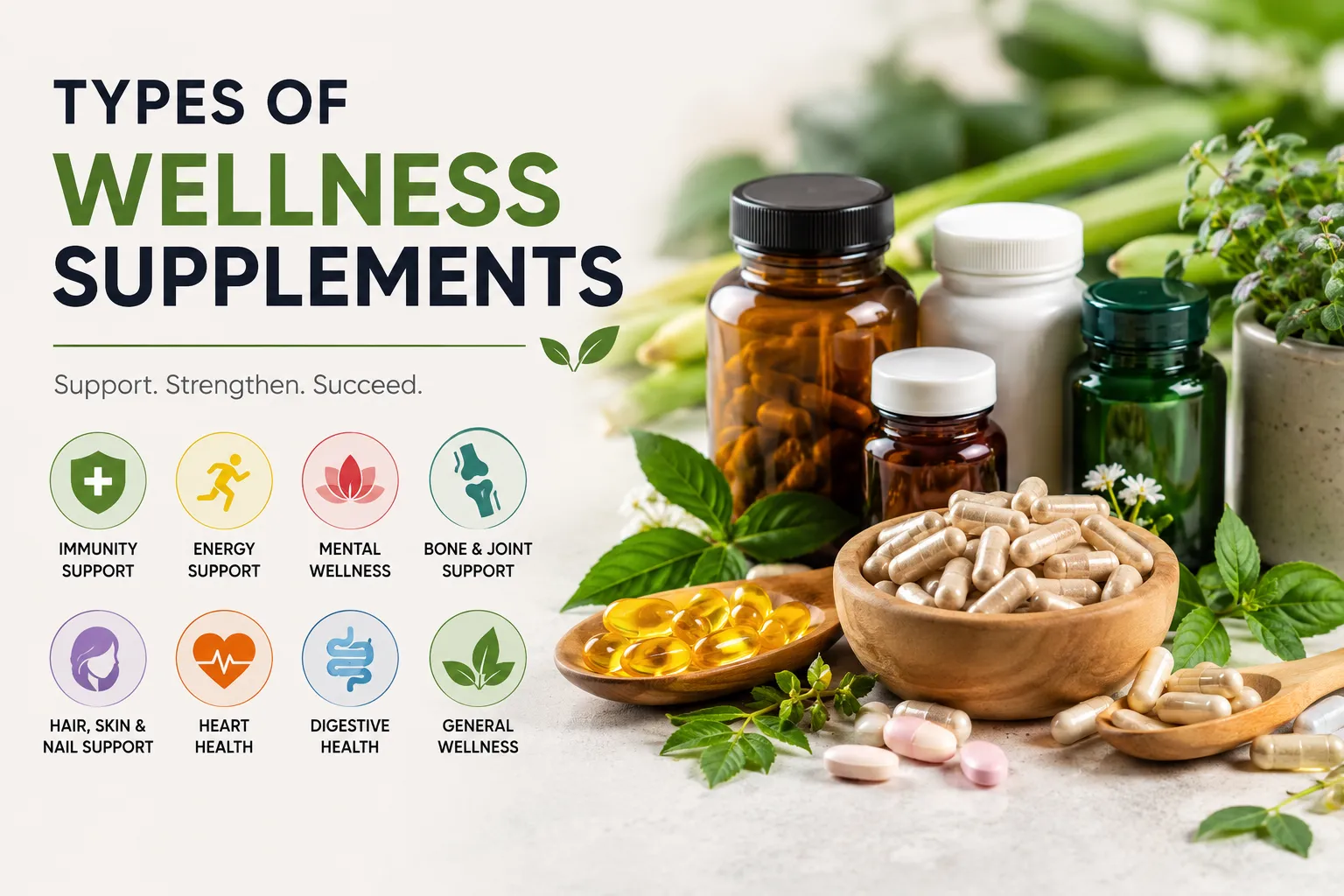

Maintaining good health requires more than just eating a balanced diet. Modern lifestyles, busy schedules, changing eating habits, and environmental factors can sometimes make it difficult to meet the body's daily nutritional requirements through food alone. This is where dietary supplements play an important role. Designed to complement a healthy lifestyle, supplements help fill nutritional gaps and support various aspects of physical and mental well-being.
Today, the market offers a wide range of products, each formulated to address specific health goals. Whether you're looking to strengthen immunity, improve energy levels, support heart health, or maintain healthy bones and joints, understanding the different types of supplements can help you make informed choices.
What Is a Wellness Supplement?
A wellness supplement is a product that contains vitamins, minerals, herbs, amino acids, probiotics, or other nutrients intended to support overall health. Unlike medicines that are used to treat diseases, wellness supplements are designed to complement a balanced diet and promote normal body functions.
When combined with healthy eating, regular exercise, quality sleep, and proper hydration, supplements can contribute to long-term wellness and improved quality of life.
Multivitamins
Multivitamins are among the most commonly used dietary supplements. They combine essential vitamins and minerals in one convenient product, helping individuals meet their daily nutritional requirements.
These supplements often include Vitamins A, C, D, E, K, and the B-complex group, along with important minerals such as calcium, magnesium, zinc, and iron. Multivitamins are particularly useful for people with busy lifestyles, restrictive diets, or increased nutritional needs.
Protein Supplements
Protein is essential for building and repairing muscles, producing enzymes, and supporting healthy tissues throughout the body.
Protein supplements are widely used by athletes, fitness enthusiasts, older adults, and individuals recovering from illness or injury. Available in whey, soy, pea, and plant-based varieties, these supplements help increase daily protein intake when dietary sources are insufficient.
Omega-3 Supplements
Omega-3 fatty acids are essential nutrients that support heart, brain, and eye health. Since the body cannot produce these healthy fats naturally, they must be obtained through food or supplementation.
People who consume little or no fish often choose omega-3 supplements to help meet their nutritional requirements and support overall wellness.
Probiotics
Probiotics contain beneficial bacteria that help maintain a healthy balance of microorganisms in the digestive system.
A healthy gut microbiome supports digestion, nutrient absorption, immune function, and overall digestive comfort. Probiotic supplements are commonly used after antibiotic treatment or to support digestive health as part of a balanced lifestyle.
Calcium and Vitamin D Supplements
Calcium and Vitamin D work together to maintain strong bones and healthy teeth. While calcium provides structural strength, Vitamin D helps the body absorb calcium efficiently.
These supplements are often recommended for older adults, individuals with low dairy intake, or those with limited sun exposure.
Joint Health Supplements
Maintaining healthy joints becomes increasingly important with age, regular physical activity, or physically demanding occupations. Joint health supplements often contain ingredients such as glucosamine, chondroitin, collagen, turmeric, Boswellia, and hyaluronic acid to support cartilage, flexibility, and mobility.
Many people include bone and joint health supplements in their wellness routine to help maintain joint comfort and support healthy movement as they age.
Heart Health Supplements
Cardiovascular health remains one of the most important aspects of overall wellness. Alongside a healthy diet and regular physical activity, certain nutrients may help support normal heart function.
Omega-3 fatty acids, Coenzyme Q10 (CoQ10), magnesium, and plant sterols are commonly included in formulations designed to promote cardiovascular wellness. Individuals seeking additional nutritional support often explore the best supplements for heart health after consulting a healthcare professional.
Immune Support Supplements
A healthy immune system depends on adequate nutrition. Supplements containing Vitamin C, Vitamin D, zinc, selenium, and herbal ingredients such as elderberry are commonly used to support normal immune function.
These supplements are particularly popular during seasonal changes or periods of increased physical stress.
Herbal Supplements
Herbal supplements have been used in traditional wellness practices for centuries. Ingredients such as Ashwagandha, Turmeric, Ginseng, Tulsi, and Ginger are valued for their natural health-supporting properties.
Although herbal products can complement a healthy lifestyle, they should be chosen carefully and used according to professional guidance, particularly for individuals taking prescription medications.
Antioxidant Supplements
Everyday exposure to pollution, stress, and natural metabolic processes produces free radicals that can damage cells over time. Antioxidants help neutralize these unstable molecules and protect the body's tissues.
Common antioxidant nutrients include Vitamins C and E, selenium, and plant compounds such as polyphenols and flavonoids. A diet rich in fruits and vegetables remains the best source of antioxidants, with supplements serving as additional nutritional support when needed.
How to Choose the Right Wellness Supplement?
Selecting the right supplement begins with understanding your individual health needs. Factors such as age, diet, lifestyle, activity level, and existing medical conditions all influence which nutrients may be beneficial.
Always choose products manufactured by reputable companies that follow recognized quality standards and provide transparent ingredient information. Reading product labels carefully and consulting a healthcare professional can help ensure safe and appropriate supplementation.
It's also important to remember that supplements are intended to complement—not replace—a nutritious diet and healthy lifestyle.
Final Thoughts
Wellness supplements provide valuable nutritional support for people seeking to maintain overall health and address specific wellness goals. From multivitamins and probiotics to protein, calcium, and herbal formulations, each type offers unique benefits when used appropriately.





























Sign in to leave a comment.