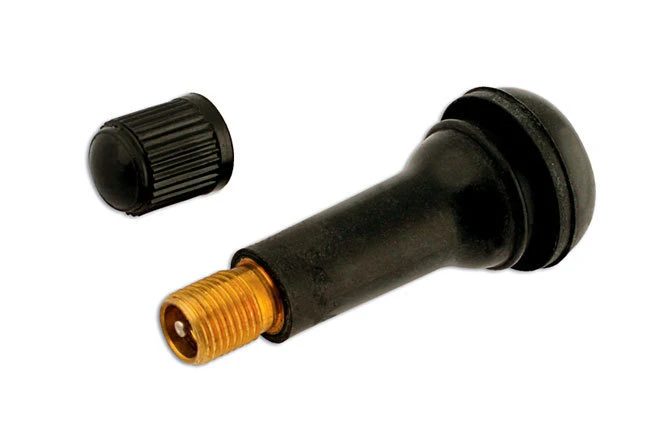

When it comes to the safety and performance of your car, it's easy to focus on the engine, brakes, and other major components.
However, one often overlooked but crucial part of your vehicle is the tyre valve. Tyre valves play a significant role in maintaining the health of your tyres and ensuring a safe driving experience.
Function of Tyre Valves:
Tyre valves are the small, inconspicuous components that serve as the gateway for air to enter and exit your tyres. Their primary functions include:
Inflation and Deflation: Tyre valves allow you to add air to your tyres when they are under-inflated and release air when they are over-inflated. Proper tyre pressure is essential for safety, fuel efficiency, and tyre longevity. Maintaining Seal: The valve core and sealing cap in the tyre valve provide an airtight seal, preventing air from escaping and foreign objects like dirt and moisture from entering the tyre. A good seal is crucial for maintaining the correct tyre pressure.Types of Tyre Valves:
There are several types of tyre valves for cars, each designed for specific applications and vehicles. Here are some common types:
Snap-In Rubber Valves: These are the most common type of tyre valves and are typically found on passenger vehicles. They are easy to install and are made of durable rubber. Metal Valves: These valves are made of brass or aluminum and are often used for high-performance and heavy-duty applications. They are known for their durability and resistance to corrosion. Tubeless Tyre Valves: These valves are designed for tubeless tyres, such as those found on motorcycles and some passenger vehicles. They eliminate the need for an inner tube and are more resistant to leaks. TPMS Valves: Tyre Pressure Monitoring System (TPMS) valves are equipped with sensors that monitor tyre pressure. They are commonly found in modern vehicles and play a vital role in ensuring proper tyre inflation.Maintenance of Tyre Valves:
Proper maintenance of tyre valves is essential to ensure their functionality and safety. Here are some maintenance tips:
Regular Inspection: Periodically inspect your tyre valves for signs of wear, cracking, or damage. Replace any damaged valves promptly. Valve Caps: Always keep the valve caps in place. Valve caps prevent dust, moisture, and debris from affecting the valve core and seal. Valve Core Replacement: If you suspect a valve core leak or damage, consider replacing the valve core. Valve cores are inexpensive and can be replaced without replacing the entire valve. Correct Tyre Pressure: Ensure your tyres are inflated to the recommended pressure. Under-inflated or over-inflated tyres can lead to premature wear and reduced safety. TPMS Maintenance: If your vehicle is equipped with TPMS, follow the manufacturer's recommendations for TPMS sensor maintenance and battery replacement.





















Sign in to leave a comment.