![How to Choose the Best Bulk Wheatgrass Powder: Quality Guide [2025]](https://writeupcafe.com/data/post/1466693/34fdbc004a03d46ca86a3c5d32cd9621.jpg.webp)

The Truth About Wheatgrass Processing
What many suppliers won't tell you is that the journey from grass to powder dramatically impacts its nutritional value. The moment wheatgrass is cut, it begins losing nutrients. Premium organic wheatgrass powder manufacturers use a specific harvesting and processing timeline to preserve its beneficial compounds.
The gold standard? Cold-processing within four hours of harvest. This method preserves delicate enzymes and nutrients that make wheatgrass a superfood powerhouse. Yet surprisingly, many suppliers don't mention their processing methods at all.
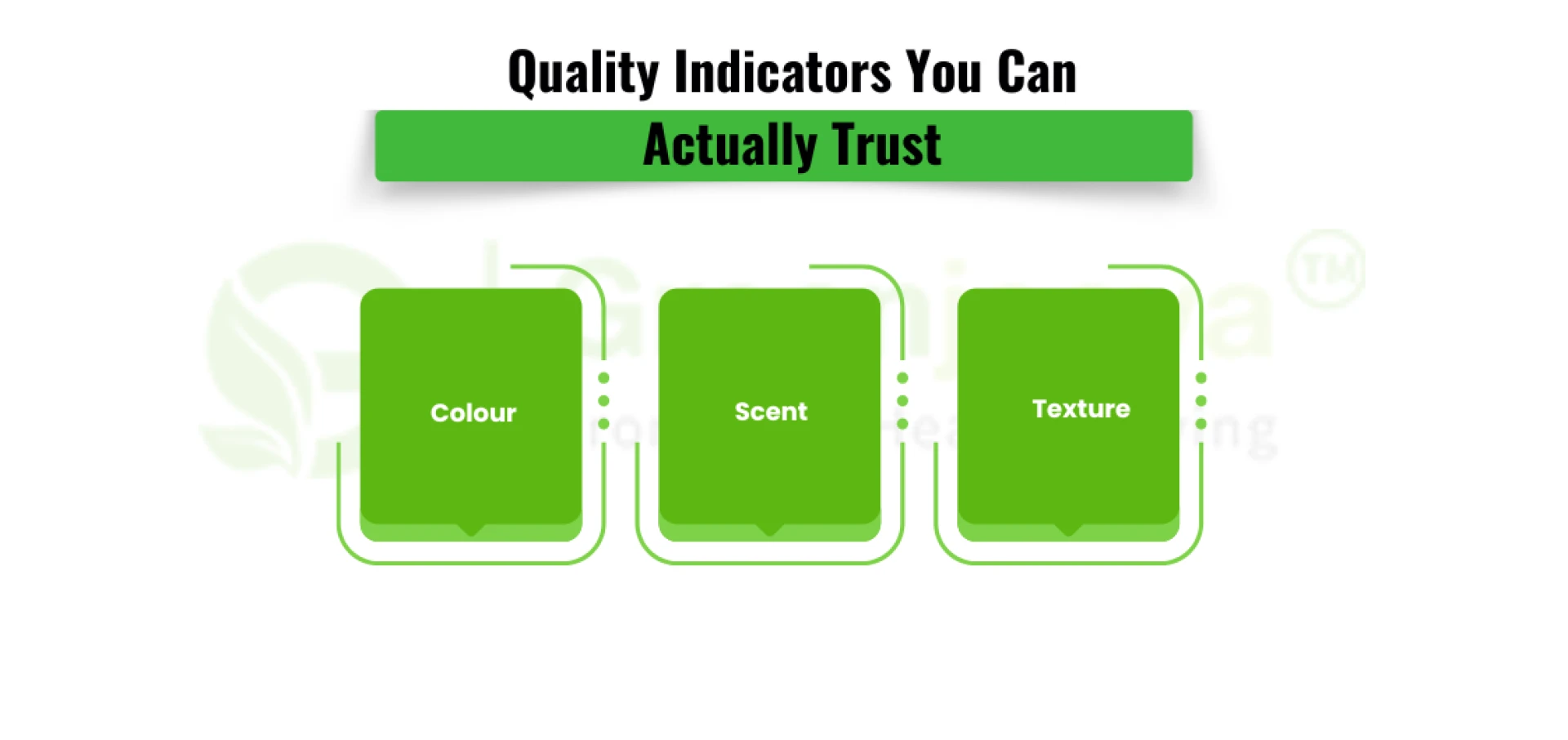
Quality Indicators You Can Actually Trust
Color Matters More Than You Think
The perfect wheatgrass powder should be a vibrant green – not too bright (which might indicate artificial coloring) and not too dull (suggesting poor processing or age). A deep, forest green color typically indicates high chlorophyll content and proper processing.
The Scent Test
Fresh wheatgrass powder should have a clean, grass-like aroma. If you detect any musty or off-putting smells, that's a red flag. Quality organic wheatgrass powder maintains its natural scent even after processing.
Texture Tells a Story
Rub a small amount between your fingers. Premium wheatgrass powder should feel fine and uniform, without any hard pieces or varying textures. Clumping might indicate exposure to moisture during storage or processing.
Beyond Organic: What Certification Really Means
While organic certification is important, it's just the starting point. Here's what else matters:
1. Heavy Metal Testing: Premium suppliers regularly test for heavy metals and publish results
2. Microbial Analysis: Look for suppliers who test each batch for harmful bacteria
3. Nutrient Density Testing: The best manufacturers measure and report chlorophyll content
Fun fact: The chlorophyll content in wheatgrass powder can vary by up to 50% depending on growing conditions and processing methods. Yet most suppliers don't list this crucial information.
Storage Secrets: Maximizing Shelf Life
Here's something suppliers rarely mention: Even the highest-quality wheatgrass powder can degrade quickly if not stored properly. The three biggest enemies are:
- Light exposure
- Temperature fluctuations
- Oxygen contact
The solution? Store in an airtight, opaque container in a cool, dry place. Some premium suppliers use special packaging with oxygen absorbers and UV protection, but this isn't industry standard.
The Price vs. Quality Equation
Let's talk money. While premium wheatgrass powder isn't cheap, the price shouldn't be astronomical either. Current market rates for high-quality bulk organic wheatgrass powder typically range from $30-50 per pound. Anything significantly lower might indicate corners being cut in production.
Cost-Saving Tips Without Compromising Quality:
- Buy in larger quantities (5-10 pounds) from reputable suppliers
- Look for bulk discounts during off-peak seasons
- Consider joining buying groups or co-ops
- Watch for sales from established suppliers rather than choosing the cheapest option
Sourcing Matters: Understanding Origin Stories
The source of your wheatgrass matters tremendously. Top-quality wheatgrass powder comes from:
- Young wheat plants harvested at peak nutrient density
- Fields with proper soil management
- Areas free from industrial pollution
- Farms with sustainable farming practices
Ask suppliers about their sourcing. If they can't or won't provide details, consider it a red flag.
The Truth About Shelf Life
Here's an industry secret: Most wheatgrass powder has a practical shelf life of 1-2 years, despite what some labels claim. Factors affecting longevity include:
- Processing method
- Packaging quality
- Storage conditions
- Moisture content at packaging
Premium suppliers often include harvest dates and detailed storage instructions. If this information is missing, ask questions.
Making the Final Decision
Before making your bulk purchase, create a checklist:
✓ Verify third-party testing results
✓ Check processing methods
✓ Confirm packaging quality
✓ Review storage requirements
✓ Understand return policies
✓ Research supplier reputation
✓ Compare price per ounce across quantities
Common Red Flags to Watch For
- Unusually low prices
- Missing or vague product information
- No batch testing results
- Poor or generic packaging
- Limited or non-existent customer service
- No clear return policy
- Excessive health claims
The Future of Wheatgrass Production
The wheatgrass industry is evolving. Leading organic wheatgrass powder manufacturers are implementing new technologies like:
- Advanced cold-processing techniques
- Better testing methods
- Improved packaging solutions
- More transparent supply chains
Stay informed about these developments to make better purchasing decisions.
Final Thoughts
Choosing high-quality bulk wheatgrass powder doesn't have to be overwhelming. Focus on transparency, testing, and proper processing methods. Remember, a reputable supplier will welcome questions and provide detailed information about their products.
The best value isn't about finding the cheapest option – it's about finding a high-quality product from a transparent supplier at a fair price. Use this guide to make informed decisions and enjoy the full benefits of this remarkable superfood.
Remember: Quality wheatgrass powder is an investment in your health. Take the time to find a product that meets these standards, and you'll be rewarded with a superior supplement that delivers real results.























Sign in to leave a comment.