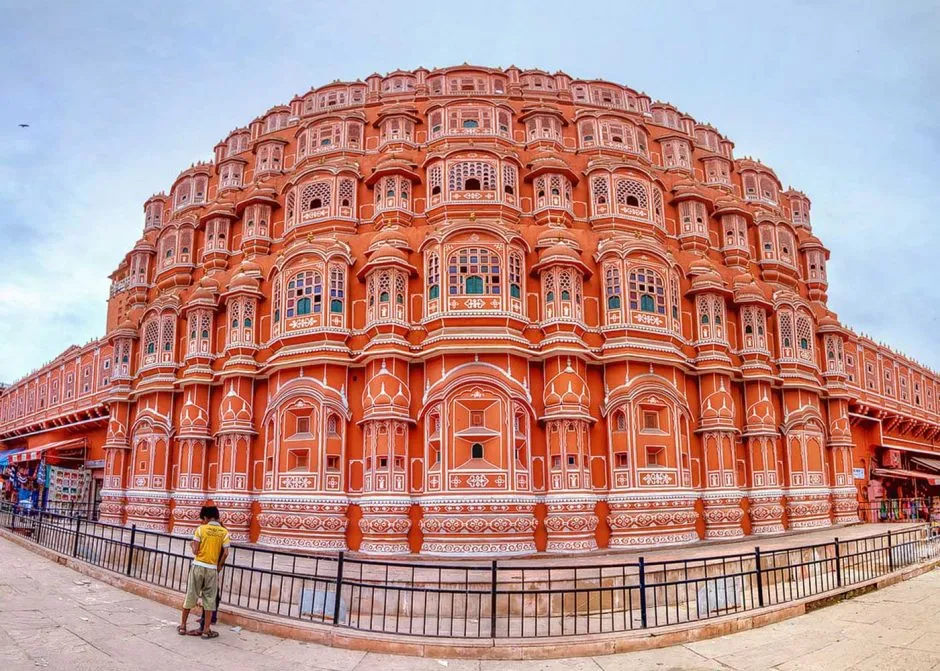

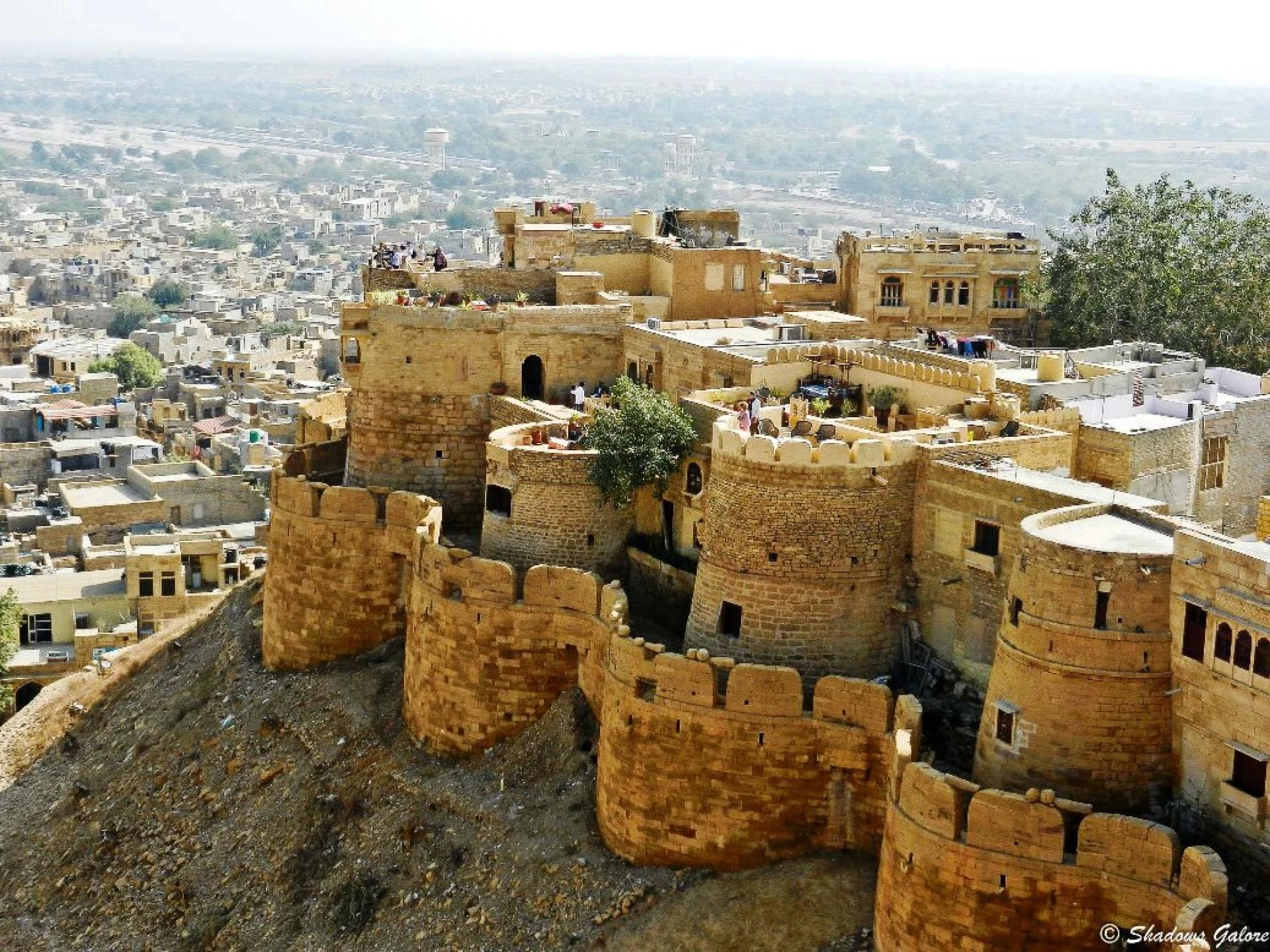
Rajasthan does not ease you in gently. From the moment you arrive — whether it is stepping off a train in Jaipur into a sea of pink and gold, or driving into Jaisalmer as the fort appears suddenly on the horizon — it makes an impression. A loud, colourful, completely unambiguous one.
But planning a trip to Rajasthan well requires more than just picking a few cities off a map. The state is enormous, the distances between major attractions are significant, and if you do not think through the logistics early, you end up either rushing through everything or missing half of what you came for.
This guide covers what actually matters — the right season, the best way to get there, what to prioritise, and how to put together a trip that works for how you travel.
Know the State Before You Plan the Route
Rajasthan is India's largest state by area. Most first-time visitors underestimate how spread out the key destinations are. Jaipur to Udaipur is roughly six hours by road. Jodhpur to Jaisalmer is another four to five. Trying to cover Jaipur, Pushkar, Jodhpur, Jaisalmer, and Udaipur in five days is technically possible — but it means you spend most of your trip in a vehicle rather than exploring.
A realistic minimum is seven to ten days for a proper Rajasthan circuit. If you have twelve to fourteen days, you can add wildlife at Ranthambore, the craft villages near Jodhpur, or the temple town of Chittorgarh without feeling like you are sprinting through the itinerary.
The Golden Triangle route — Delhi, Agra, Jaipur — is a good starting point for absolute first-timers, but it only scratches the surface of what Rajasthan actually offers.
Must Read: https://writeupcafe.com/things-to-do-in-rajasthan
Picking the Right Time of Year
Timing a Rajasthan trip correctly is genuinely important, more so than for many other Indian destinations. The state sits largely in a desert and semi-arid zone, which means summers are brutal and winters are cold at night but lovely during the day.
Understanding the best season to visit Rajasthan comes down to what kind of experience you are after. October through February is the sweet spot for most travellers — daytime temperatures are comfortable, evenings are cool and atmospheric, and visibility for sightseeing and photography is at its best. November is particularly good because it sits between the festival season and the peak tourist rush of December.
March and early April are still manageable, with blooming landscapes and slightly thinner crowds. By May, temperatures in cities like Jaisalmer and Bikaner regularly cross 45 degrees Celsius. Unless you are specifically chasing the raw, untouristed version of the desert — and some travellers genuinely prefer that — summer is best avoided.
The monsoon from July to September brings a quieter Rajasthan with greener landscapes and lower prices, but some roads become difficult and outdoor activities like camel safaris are largely off the table.
Getting There Without Overthinking It
Rajasthan is well connected by air, rail, and road, and how you get there largely depends on where you are coming from and where you want to enter the state.
For international travellers or those flying from other Indian metros, how to reach Rajasthan by air is the most straightforward option. Jaipur has the largest and best-connected airport in the state, with direct flights from Delhi, Mumbai, Bengaluru, and several international hubs. Jodhpur and Udaipur also have functional airports with decent connectivity. Jaisalmer has a smaller airport that has seen increased civilian traffic in recent years.
Train travel is often the more scenic and comfortable choice for those coming from Delhi. The overnight Shatabdi to Jaipur or the heritage-style Palace on Wheels are both popular options. Road trips from Delhi are also feasible — the Delhi-Jaipur highway is well-maintained and takes around four to five hours.
For moving between cities within Rajasthan, private cabs or pre-booked transfers are far more comfortable than state buses, especially when covering the longer stretches between Jodhpur and Jaisalmer or Udaipur and Chittorgarh.
What to Prioritise in 2026
Rajasthan's most visited sites — Amber Fort, Mehrangarh, City Palace, and the Sam Sand Dunes — are busy year-round. If you want to visit these without fighting crowds, go early morning. Most forts open at sunrise and the first hour is genuinely different from the midday rush.
Beyond the obvious, a few experiences in 2026 are worth actively seeking out. Camel safaris into the dunes around Khuri, the quieter alternative to Sam, offer a far more authentic overnight camp experience. The village circuit around Jodhpur — Bishnoi community visits, potters in Salawas, textile weavers in Pipad — gives you a side of Rajasthan that most itineraries skip entirely.
Ranthambore remains one of India's best tiger reserves and is worth the two-day detour from Jaipur if wildlife is anywhere on your interest list.
Must Read: https://writeupcafe.com/jaisalmer-desert-camp--a-highlight-of-the-golden-triangle-with-dunes
Putting Together the Right Package
Self-planning a Rajasthan trip is entirely possible, but it requires careful coordination of transfers, accommodation, and entry logistics across multiple cities. For most travellers, a curated package removes the friction without removing the flexibility.
Well-designed Rajasthan vacation packages typically cover private transportation between cities, handpicked hotels in each destination, a guided experience at key sites, and support throughout the trip. The better operators also allow you to adjust the itinerary — adding a day somewhere or skipping a stop — rather than locking you into a rigid group schedule.
When comparing packages, look specifically at the hotel category, whether transfers are private or shared, what guided experiences are included versus what is sold as an add-on, and whether the operator has ground experience in Rajasthan specifically rather than just being a general travel aggregator.
A few targeted questions before booking will tell you a lot about the quality of what you are getting.
Final Thought
Rajasthan in 2026 is as rewarding as it has ever been — and arguably easier to plan than at any point before, with better road infrastructure, improved air connectivity, and a wider range of accommodation options across price points.
The one thing that has not changed is this: the state rewards travellers who slow down. A week spent properly in three cities will give you more than two rushed days each across seven. Pick your route, get the timing right, sort the logistics, and then let Rajasthan do the rest.
It very reliably does.

























Sign in to leave a comment.