
The missiles that struck Natanz didn’t just crack Iranian bunkers — they cracked open vulnerabilities across the region. And in Pakistan, the echo wasn’t just diplomatic. It was tactical. It was existential.
When a nuclear power is hit with impunity and the world stays silent, the message is clear: there are no rules. And India, sitting smugly to the east, is preparing to rewrite its own — using the same Israeli ink.
This is not just an Iran strike impact on Pakistan scenario. This is a national security red alert wrapped in silence.
Quetta Hears What Islamabad Ignores
The global media focused on Tehran’s retaliation. But in Balochistan, there were other tremors: radio silence from usual intel sources. More chatter in separatist circles. Increased movement near border belts.
The question isn’t whether hostile networks will exploit Iran’s distraction. It’s how fast they already have.
India’s Imitation Game Isn’t a Game Anymore
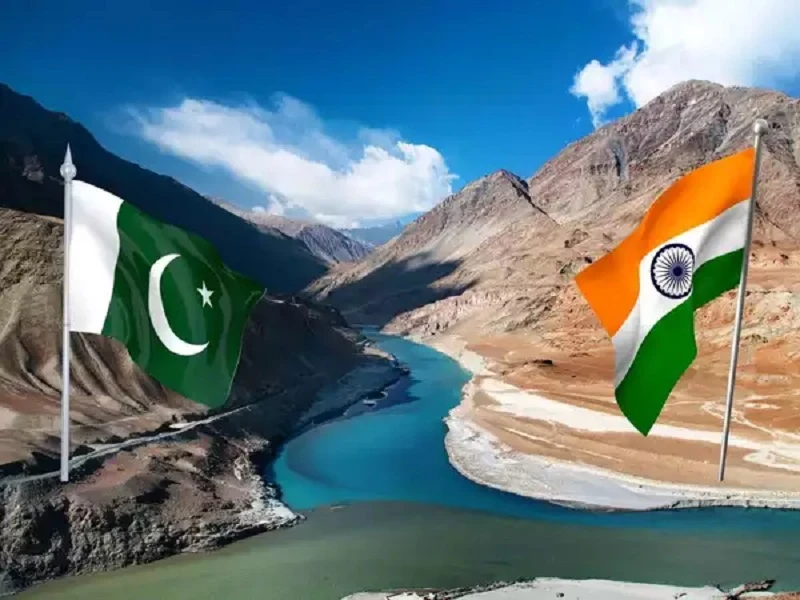
From New Delhi’s think tanks to its primetime propaganda, the Sindoor Doctrine is no longer theory. It’s preparation. A psychological, diplomatic, and military rehearsal of a future strike on Pakistan — preemptive, deniable, and choreographed for global applause.
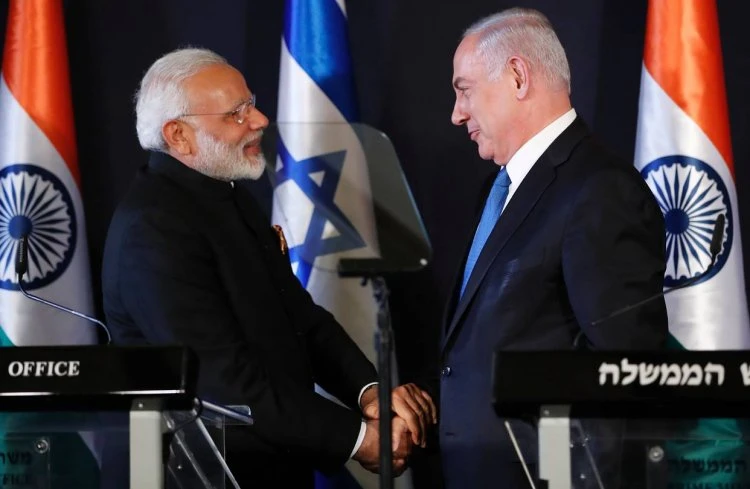
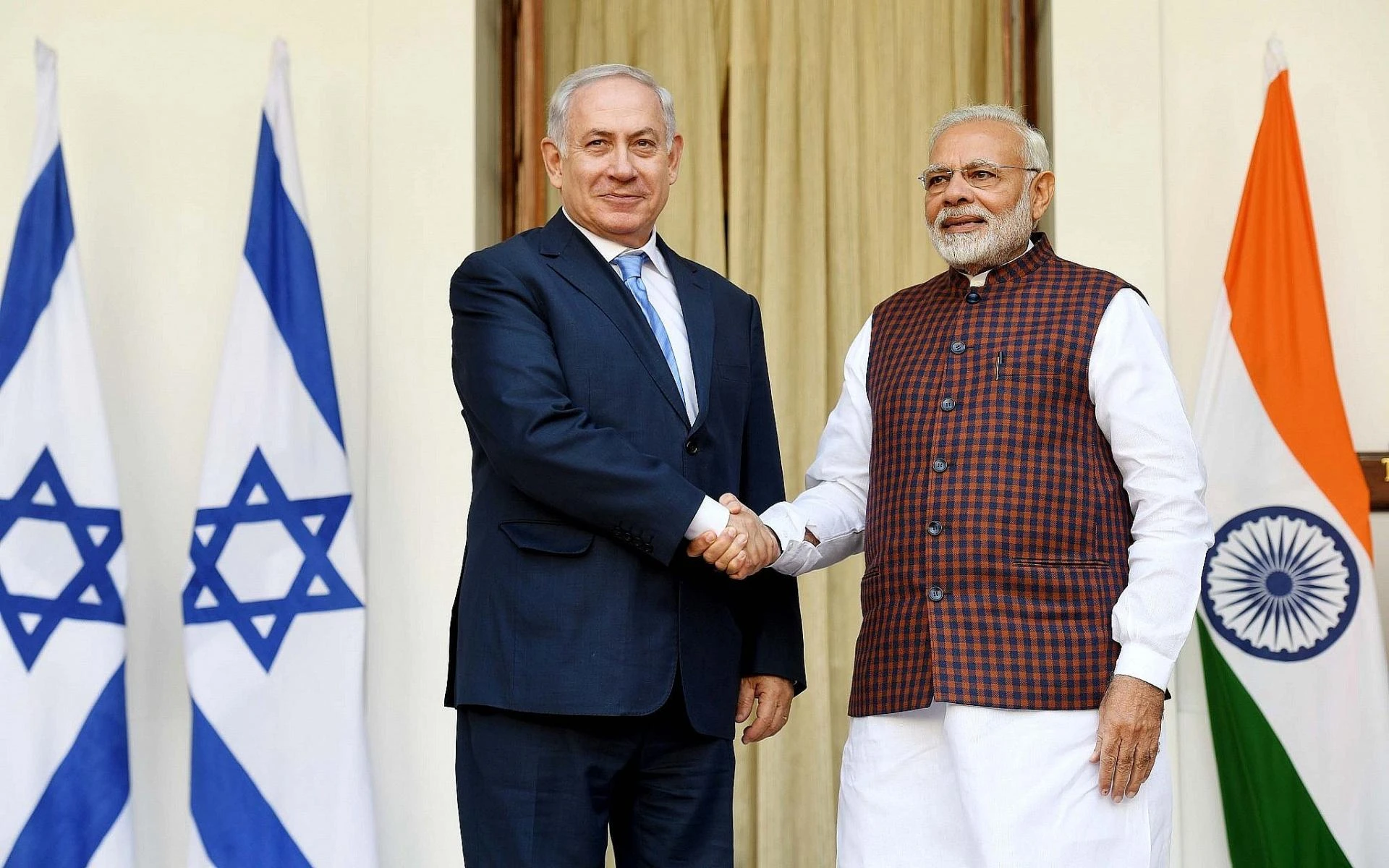
This is the India Israel defense strategy at work: high-precision optics, low-risk accountability.
Meanwhile, we’re caught up in political soap operas and factional wars that make even our allies question our readiness.
Pakistan’s Fifth-Generation Crisis: Distraction as a Weapon
Fifth-generation warfare Pakistan is facing doesn’t knock. It tweets. It trends. It hijacks attention. It cloaks sabotage as domestic unrest and sells it back to us as internal failure.
Every day our media chases ratings over reality, our enemies run narratives over networks.
This is not paranoia. This is pattern recognition.
Balochistan: More Than Just a Frontier
Balochistan is where the ripple turns into a rupture. If Tehran burns, Balochistan smolders. Each drone that crosses the Gulf, each oil route disrupted, opens new wounds on Pakistan’s western belt.
And every moment we delay modernization of border intel, civilian-military synergy, and digital counter-ops, we widen the wound.
We Don’t Need More Warnings. We Need Action.
- Declare hybrid warfare as the national threat it is
- Elevate cyber and psychological ops to tier-one defense priorities
- Establish a Western Command Taskforce focused on the Iran-Pakistan belt
- Stop treating national defense like a military-only domain
The Pakistan national security alert triggered by the Iran strike should’ve been our cue.
Last Words: This Isn’t About Iran Anymore
Iran’s war is already changing borders — not with maps, but with influence.
If we keep looking inward while the ground under Balochistan burns, we won’t just be reacting late. We’ll be reacting last.
Enemies don’t need to defeat us. They just need to delay us.
And right now, we’re doing that for them.
Time’s up. Blink, and we burn.


























Sign in to leave a comment.