
VAT Meaning and How It Impacts Your Invoicing
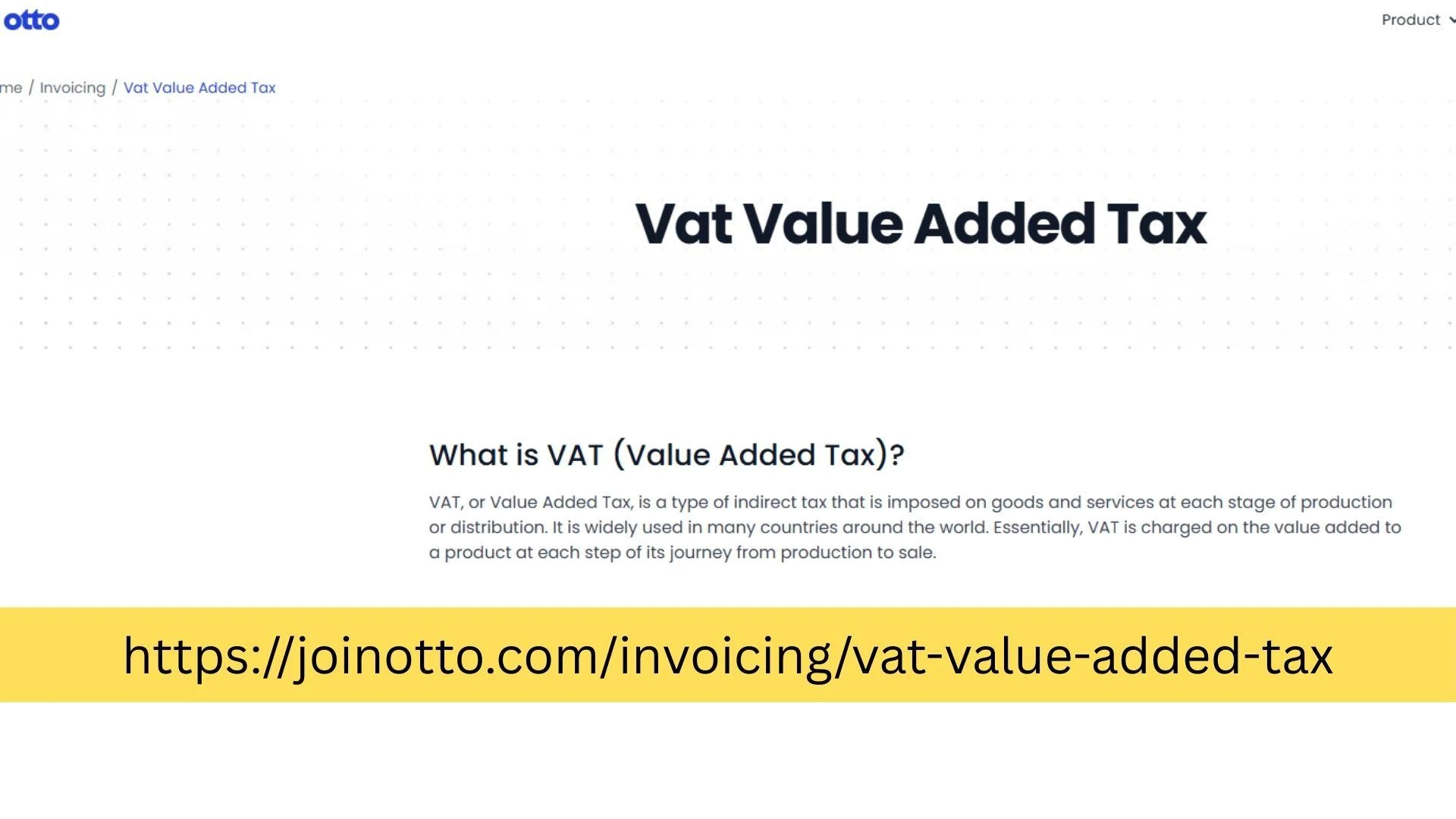
Value Added Tax (VAT) is a type of indirect tax that is imposed on goods and services at each stage of the production or distribution chain, where value is added. Unlike a sales tax that is collected only at the point of sale to the end consumer, VAT meaning is collected incrementally throughout the supply chain. Each participant in the chain—from manufacturers to wholesalers to retailers—collects VAT on their sales and can reclaim the VAT they paid on their purchases.
Understanding VAT is essential for businesses, especially when it comes to proper invoicing. If you operate in a region or country where VAT is applicable, your invoices must comply with tax laws that govern how VAT is calculated, recorded, and reported.
What is VAT?
VAT is typically expressed as a percentage of the sale price. For example, if a product costs $100 and the VAT rate is 20%, the final price becomes $120. The business selling the product collects the VAT from the customer and is responsible for reporting and remitting it to the relevant tax authorities.
There are often different VAT rates for different categories of goods and services, including standard, reduced, and zero rates. Some products or services may also be exempt entirely.
How VAT Affects Your Invoicing
When you are VAT-registered, you must issue VAT invoices for the sale of taxable goods or services. These invoices must include specific details required by law to ensure compliance and to allow your customers—especially business clients who are also VAT-registered—to reclaim the VAT where applicable.
A compliant VAT invoice generally includes the following:
- Your business name and VAT registration number
- The invoice date
- A unique invoice number
- Description of goods or services sold
- The VAT rate applied
- The total amount excluding VAT
- The amount of VAT charged
- The total amount including VAT
Failure to include these elements can result in penalties, audits, or rejection of the invoice by business clients who need it for their own VAT accounting.
Impact on Cash Flow and Pricing
VAT can also impact your cash flow. Since you collect VAT on behalf of the government, it is crucial to manage these funds carefully until they are remitted. Businesses often set up separate accounting procedures or bank accounts to handle VAT to avoid accidentally using these funds for other expenses.
Moreover, pricing strategies may need adjustment. If you include VAT in your listed prices, you must consider how this affects your competitiveness and profit margins. For example, a product priced at $120 including VAT may appear more expensive than a similar product priced at $100 with no mention of tax, even if the latter has the same final cost once VAT is added.
Conclusion
VAT is more than just a tax—it influences your pricing, invoicing, accounting, and overall business strategy. Understanding how VAT meaning works and ensuring your invoicing processes are compliant is critical for smooth business operations and maintaining positive relationships with clients and tax authorities alike. Whether you're a freelancer, small business, or large corporation, getting VAT right is key to staying financially and legally sound.

























Sign in to leave a comment.