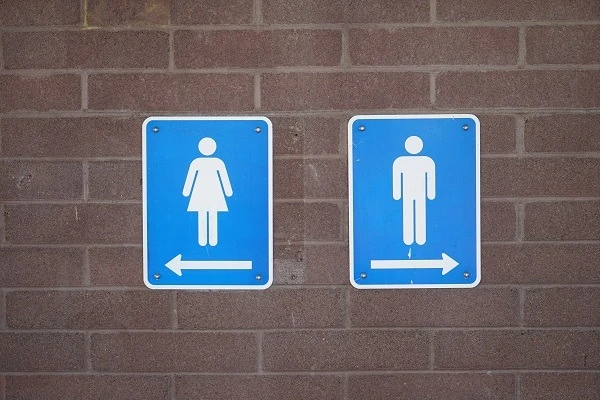

Accessibility is no longer optional in modern business environments—it’s a legal requirement and a social responsibility. Among the most commonly overlooked elements of accessibility compliance are bathroom signs. While they may seem like small details, ADA-compliant bathroom signage plays a critical role in ensuring that facilities are accessible, inclusive, and legally compliant.
This guide explains what businesses must know about ADA bathroom signage, including key requirements, common mistakes, and practical implementation tips.
What Is ADA Bathroom Signage?
ADA bathroom signage refers to restroom signs that meet the accessibility standards outlined in the Americans with Disabilities Act (ADA). These guidelines ensure that individuals with visual impairments, mobility challenges, or other disabilities can navigate public and commercial spaces independently and safely.
These signs typically include:
- Tactile (raised) text
- Braille
- High-contrast colors
- Specific mounting heights and placement
Although signage is just one part of ADA compliance, it is one of the most visible and frequently inspected elements.
Why ADA Bathroom Signs Matter
1. Legal Compliance
Businesses open to the public must meet ADA standards. Non-compliance can result in fines, lawsuits, or mandatory remediation costs. Restroom signage is often one of the first compliance issues flagged during inspections.
2. Accessibility and Inclusion
Clear, accessible signage ensures everyone—including people with disabilities—can locate and use restroom facilities without assistance. This improves dignity, independence, and overall user experience.
3. Brand Reputation
Inclusive environments signal professionalism and responsibility. ADA-compliant signage reflects a business that values all customers and employees.
Key ADA Requirements for Bathroom Signs
Understanding the technical requirements is essential for proper compliance. Here are the most important factors.
1. Tactile Lettering
Bathroom signs must include raised characters that can be read by touch. These characters should:
- Be at least 1/32 inch raised
- Use simple, sans-serif fonts
- Be uppercase for tactile text
This allows individuals with visual impairments to read the signs through touch.
2. Braille Inclusion
Grade 2 Braille is required on ADA bathroom signs. It should be placed directly below the corresponding text and be properly spaced for readability.
Incorrect or poorly placed Braille is a common compliance issue, especially with low-cost or imported signage.
3. High Contrast and Readability
The ADA requires strong visual contrast between text and background. For example:
- Dark text on a light background
- Light text on a dark background
This ensures readability for people with low vision or color perception challenges.
4. Mounting Height and Placement
One of the most misunderstood ADA rules is sign placement.
Bathroom signs should be:
- Mounted on the wall beside the latch side of the door
- Installed 48–60 inches from the floor to the baseline of the tactile text
If the restroom has no wall space on the latch side, alternative placement rules apply, but consistency is key.
5. Pictograms and Symbols
If pictograms (such as male/female icons or accessibility symbols) are used:
- They must be accompanied by tactile text
- The pictogram field must have a minimum 6-inch height
- The background must be non-glare
Pictograms alone are not sufficient for compliance.
Common ADA Bathroom Sign Mistakes
Many businesses unintentionally violate ADA rules due to misinformation or shortcuts. Here are the most common pitfalls.
Incorrect Mounting Location
Installing signs directly on doors is one of the most frequent errors. ADA standards typically require wall-mounted signage so it can be read even when doors are open.
Missing Braille
Some signs include raised text but omit Braille, which makes them non-compliant.
Poor Contrast
Stylish but low-contrast designs may look appealing but fail accessibility requirements.
Decorative Fonts
Script or decorative fonts may be difficult to read and are not recommended for tactile signage.
Inconsistent Signage
Mixing compliant and non-compliant signs across a facility can create confusion and compliance risks.
Who Needs ADA-Compliant Bathroom Signs?
Most businesses and public-facing facilities must comply, including:
- Offices and corporate buildings
- Restaurants and cafes
- Retail stores and malls
- Hospitals and clinics
- Hotels and hospitality venues
- Schools and universities
Even small businesses are not exempt if they serve the public.
Benefits Beyond Compliance
While ADA signage is often viewed as a regulatory requirement, it offers broader benefits.
Improved Navigation
Clear signage helps everyone—not just people with disabilities—find facilities quickly and easily.
Reduced Liability
Proper signage lowers the risk of legal claims related to accessibility barriers.
Future-Proofing
As accessibility standards evolve, businesses that prioritize inclusive design are better prepared for regulatory changes.
Tips for Choosing the Right ADA Bathroom Signs
If you're upgrading or installing new signage, consider these best practices.
Work With Reputable Suppliers
Choose vendors that specialize in ADA-compliant signage and provide documentation or compliance guarantees.
Standardize Across Locations
If you operate multiple facilities, maintain consistent signage for brand cohesion and user familiarity.
Consider Durability
High-traffic environments require durable materials like acrylic, photopolymer, or metal to ensure longevity.
Plan During Renovations
Signage should be part of the initial design phase, not an afterthought. This avoids costly reinstallation later.
ADA Signage and Renovations
If you're renovating restrooms or relocating walls and doors, ADA compliance may be triggered even if your building was previously grandfathered in. Updating signage is one of the simplest and most cost-effective compliance upgrades during renovations.
Consulting accessibility professionals during planning can help avoid rework and compliance gaps.
Final Thoughts
ADA bathroom signage may seem like a small detail, but it plays a major role in accessibility, compliance, and user experience. From tactile lettering and Braille to correct placement and contrast, every element contributes to making spaces usable for everyone.
For businesses, investing in proper ADA bathroom signage is not just about avoiding penalties—it’s about creating inclusive environments that welcome all customers and employees. By understanding the requirements and avoiding common mistakes, you can ensure your facility remains compliant, accessible, and aligned with modern accessibility standards.































Sign in to leave a comment.