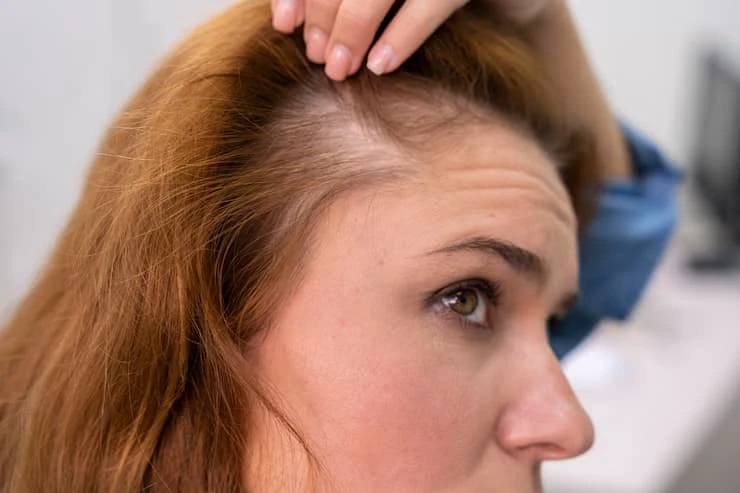

Alopecia, a term that refers to hair loss, is an increasingly prevalent concern for individuals in Cheshire and beyond. This condition can manifest in various forms, significantly impacting not only one’s appearance but also emotional well-being and self-esteem. Understanding the causes of alopecia and exploring the available solutions is essential for those affected. This comprehensive guide delves into the types of alopecia, its underlying causes, and effective treatment options, providing valuable insights for residents navigating this challenging condition.
What is Alopecia?
Alopecia encompasses a spectrum of hair loss alopecia cheshire characterized by the partial or complete absence of hair in areas where it is typically present. The most common types of alopecia include:
- Alopecia Areata: An autoimmune disorder where the body mistakenly attacks hair follicles, leading to sudden hair loss in patches.
- Androgenetic Alopecia: Also known as male or female pattern baldness, this hereditary condition results in a gradual thinning of hair, often beginning at the temples or crown.
- Telogen Effluvium: A temporary form of hair loss triggered by stress, trauma, hormonal changes, or nutritional deficiencies, leading to widespread shedding.
- Alopecia Totalis: A more severe form of alopecia areata that results in total loss of hair on the scalp.
- Alopecia Universalis: The most extreme type, causing total hair loss on the scalp and body.
Understanding the specific type of alopecia one is experiencing is crucial for determining the most effective treatment strategies.
Causes of Alopecia: What Triggers Hair Loss?
The causes of hair loss, particularly in the context of alopecia, are multifaceted and can vary from individual to individual. Several key factors contribute to the onset of alopecia:
Genetic Predisposition
Androgenetic alopecia is primarily influenced by genetics. Individuals with a family history of hair loss are more likely to experience similar patterns of thinning. The genes associated with this condition can be inherited from either parent, making it essential for individuals to be aware of their family history when considering hair loss treatments.
Autoimmune Factors
Alopecia areata is categorized as an autoimmune disorder, where the immune system attacks hair follicles. The precise cause of this malfunction is still under investigation, but it may be related to genetic susceptibility, environmental triggers, or stress. Understanding the autoimmune nature of this condition can help those affected seek appropriate medical guidance.
Hormonal Changes
Hormonal fluctuations can significantly impact hair health. Conditions such as polycystic ovary syndrome (PCOS) in women or hormonal changes related to menopause can lead to androgenetic alopecia. Similarly, thyroid disorders can contribute to hair loss, emphasizing the importance of hormonal balance in maintaining a healthy mane.
Environmental Factors
External factors such as stress, pollution, and exposure to harsh chemicals can exacerbate hair loss. High-stress levels can lead to telogen effluvium, where hair follicles prematurely enter the shedding phase. Additionally, certain hairstyles that place excessive tension on hair, known as traction alopecia, can cause localized hair loss.
Nutritional Deficiencies
A diet lacking essential nutrients can detrimentally affect hair growth. Vitamins and minerals, such as iron, zinc, biotin, and vitamins A and D, play a pivotal role in maintaining healthy hair follicles. Residents of Cheshire may benefit from assessing their dietary habits to ensure they are getting the necessary nutrients to support hair health.
Solutions for Alopecia: Treatment Options Available in Cheshire
While dealing with alopecia can be disheartening, numerous treatment options are available for individuals in Cheshire seeking to manage their hair loss. The effectiveness of these treatments can vary based on the underlying cause and type of alopecia.
Topical Treatments
Minoxidil, commonly known as Rogaine, is an FDA-approved topical solution that promotes hair growth and is suitable for both men and women. It works by increasing blood flow to hair follicles and extending the hair growth phase. Individuals may need to use minoxidil consistently for several months to see noticeable results.
Prescription Medications
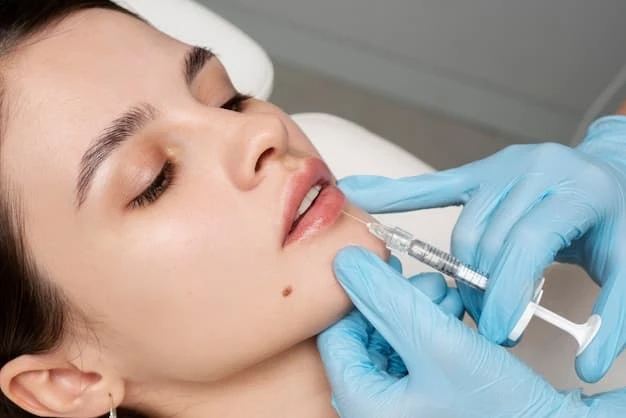
For those with alopecia areata, corticosteroids may be prescribed to reduce inflammation and suppress the immune response attacking the hair follicles. These can be administered through topical ointments, injections, or oral medications. Consulting with a healthcare professional is crucial to determine the most appropriate medication based on individual circumstances.
Hair Restoration Procedures
For individuals experiencing significant hair loss, hair transplant procedures may be a viable option. Techniques such as Follicular Unit Extraction (FUE) and Follicular Unit Transplantation (FUT) involve harvesting hair follicles from donor areas and implanting them into balding areas. These surgical options have gained traction for their ability to create natural-looking results and restore confidence in those affected by alopecia.
Lifestyle Changes and Natural Remedies
In addition to medical treatments, lifestyle modifications can play a significant role in managing hair health. Adopting a balanced diet rich in vitamins and minerals can support hair growth. Incorporating stress-reducing practices, such as yoga or meditation, may also help mitigate the effects of stress-related hair loss. Some individuals explore natural remedies, such as essential oils or herbal supplements, although scientific evidence supporting their effectiveness varies.
Support and Counseling
Living with alopecia can take an emotional toll on individuals. Seeking support from therapists, support groups, or online communities can provide a safe space for sharing experiences and coping strategies. Understanding that one is not alone in this journey can be empowering and beneficial for mental well-being.
The Importance of Professional Guidance
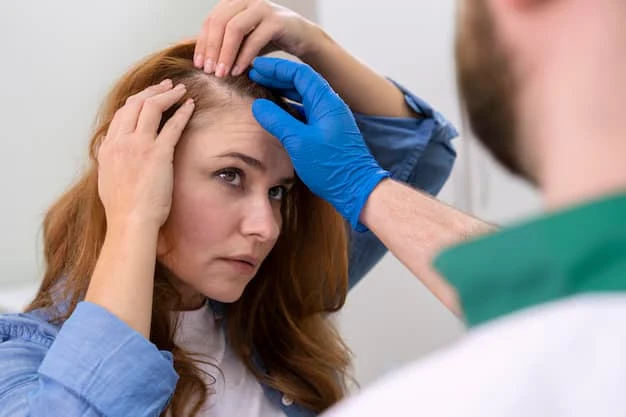
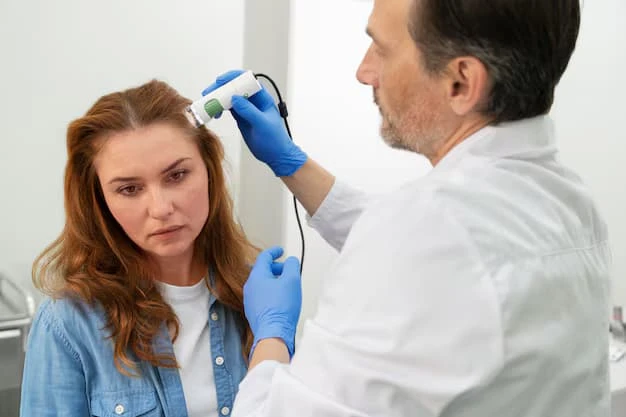
Navigating the world of alopecia treatment can be overwhelming, especially with the plethora of options available. Residents in Cheshire are encouraged to seek professional guidance from dermatologists or trichologists specializing in hair loss. These experts can conduct thorough assessments to determine the underlying causes of hair loss and develop personalized treatment plans tailored to individual needs.
Moreover, ongoing monitoring and follow-up appointments are vital for tracking progress and making necessary adjustments to treatment plans. This collaborative approach ensures that patients receive the most effective care possible.
Conclusion: Embracing Solutions for Hair Loss in Cheshire
Alopecia is a complex condition that affects many individuals in Cheshire, but it is essential to remember that solutions are available. By understanding the various types of alopecia, their causes, and the treatment options, individuals can take proactive steps toward managing their hair loss. Education and professional guidance play crucial roles in navigating this journey effectively.
For anyone grappling with the challenges of hair loss, Este Medical Group Cheshire is here to help you explore your options. With a team of dedicated professionals ready to assist you, now is the perfect time to take charge of your hair health. Don’t hesitate to reach out and take the first step towards regaining your confidence and embracing a fuller, healthier head of hair!



























Sign in to leave a comment.