
A person\'s personal and professional lives are impacted by the many stages and changes that characterize the dynamic and ongoing process of adult development. These transitions can involve adjustments to one\'s identity, profession, relationships, or health; each offers its own set of chances and difficulties for development.
This article will help you understand the main features of adult developmental transitions and suggestions for helping people through these tricky times.
Theories of Adult Development: Frameworks and Models
It is useful to start with the theories and models that explain adult developmental transitions in order to gain an understanding of these processes. Erik Erikson\'s phases of psychosocial development is a well-known theory that describes eight stages ranging from early childhood to late adulthood.
Every stage has a core problem that people need to work through in order to grow up in a healthy way. These changes entail reevaluating one\'s life objectives and making the required corrections.
Major Life Transitions: Career, Relationships, and Health
Three major areas in which adults frequently undergo big transitions are employment, relationships, and health. Promotions, job changes, or even changes in one\'s career path can all be considered career transitions. These changes can be both thrilling and frustrating because they might call for learning new abilities or adjusting to unfamiliar surroundings.
These modifications frequently call for redefining roles and expectations and have a significant impact on one\'s emotional and social life.
Psychological and Emotional Impact of Developmental Changes:
Developmental transitions can have significant effects on the psychological and emotional domains. For instance, changing careers may cause worry or self-doubt, while changing relationships may cause loneliness or a sense of loss.
Fear and worry about the future are common reactions to changes in health. It\'s critical to understand that these feelings are typical. They may be handled with the right assistance and are a natural part of the adjustment process.
Strategies for Supporting Adult Developmental Transitions:
There are various approaches to helping adults through developmental transitions. First of all, educating people on what to anticipate throughout these changes can help people feel less anxious and better prepared for change. Relationship counseling, health management, and career planning are all areas where workshops and seminars can be quite helpful.
Transitions in adult development are difficult, but they may be handled with the correct help and comprehension. Through an awareness of the opportunities and problems these changes bring, we can help people more effectively as they navigate the transition to adulthood.
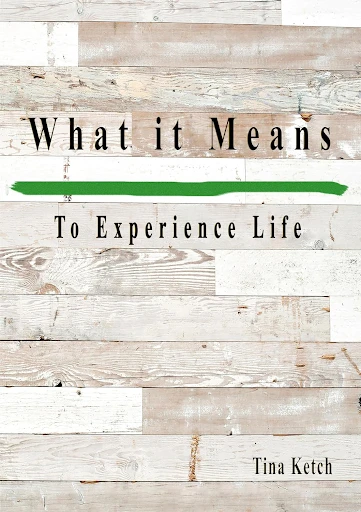
\'What It Means to Experience Life\' by Tina Ketch is one of the best self-help books that will transform your life forever. This book perfectly deals with the journey of life and emphasizes enjoying every moment of life. The memories of loved ones are the main factor that affected the author\'s understanding of the ecstasy of life and agony, which has deep shadows.
It also highlights how the combination of genetic and environmental factors influences the nature of human beings. \'What It Means to Experience Life\' by Tina Ketch is a perfect guide that can help you in personal growth and parenting.
The book also reveals the influence of the child\'s environment on their identity formation and opens up a window, looking closely to overcome tricky obstacles while emerging towards better relationships. Through considering the patterns of emotions and the road of self-exploration, this book perfectly answers everything that touches the meaning and purpose of life.
Don\'t miss the opportunity to order your copy from Amazon today!











Sign in to leave a comment.