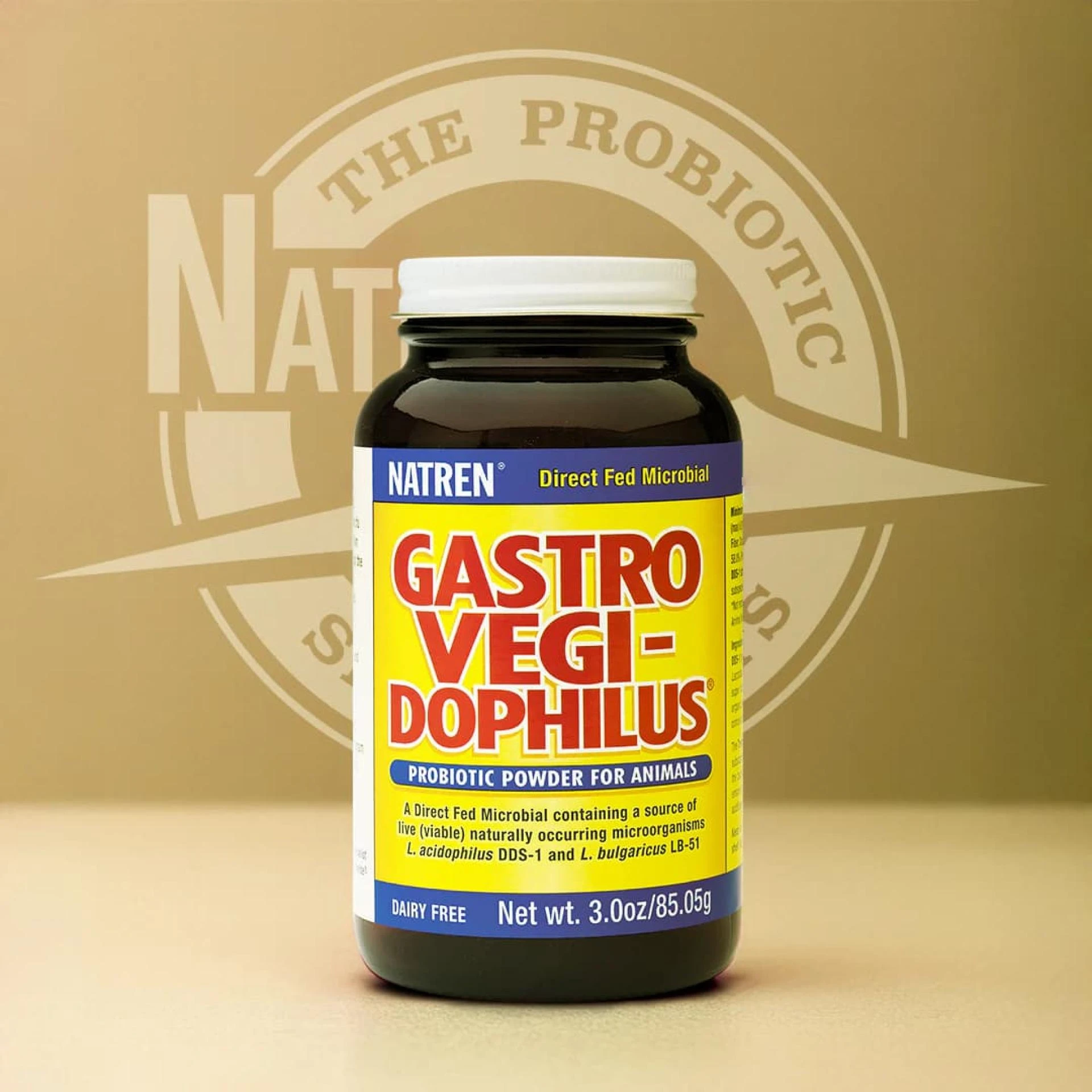

Pet owners are becoming increasingly aware of digestive wellness, and probiotics for pets are often introduced as part of a balanced care routine. When exploring probiotics for pets, it is important to understand that not all bacterial strains function the same way within an animal’s digestive system. Each strain carries unique characteristics that influence how it interacts with the gut environment, immune system, and overall health. Learning about strain specificity helps pet owners make informed decisions alongside veterinary professionals.
The Importance of Strain Identification
Probiotics are classified by genus, species, and strain. This three-part identification is more than scientific terminology; it reflects the precise biological identity of the microorganism. Two bacteria belonging to the same species may perform differently depending on the strain.
For pets, strain identification is especially important because dogs and cats have digestive systems that differ from humans. Selecting strains studied in animals increases the likelihood of compatibility and effectiveness. Clear labeling that identifies each strain provides transparency and supports responsible supplementation.
Without strain-specific information, it becomes difficult to evaluate whether a product aligns with a pet’s individual needs.
How Probiotic Strains Function in Animals
Different strains perform distinct roles within the digestive tract. Some strains primarily support intestinal barrier integrity, helping maintain a protective lining that regulates nutrient absorption. Others assist in balancing microbial populations by competing with less desirable bacteria.
Certain strains may influence motility, supporting regular bowel movements and consistent stool quality. Others contribute to the production of beneficial compounds that nourish intestinal cells. Because these functions vary, strain selection should reflect the pet’s age, diet, and overall health status.
Understanding these functional differences underscores why generalized probiotic descriptions are less helpful than precise strain details.
Supporting Digestive Balance
A balanced gut microbiome is essential for proper digestion. Pets rely on beneficial bacteria to break down food components, synthesize certain nutrients, and regulate immune responses. When microbial diversity declines, digestive disturbances such as loose stools or occasional bloating may occur.
Probiotics for pets may help restore equilibrium by introducing beneficial strains that compete for space and nutrients within the digestive tract. This competition can reduce the dominance of less favorable microbes and promote stability.
By supporting microbial diversity, probiotics contribute to smoother digestion and improved nutrient utilization.
The Role of Beneficial Bacteria in Immune Health
A significant portion of immune activity occurs within the digestive system. Beneficial bacteria interact with immune cells, guiding balanced responses to environmental exposures. For pets, maintaining microbial harmony may support resilience against everyday stressors.
Some strains are studied for their potential role in modulating inflammatory responses. Balanced immune signaling helps maintain overall comfort and vitality. Because immune function and digestive health are closely linked, strain selection can influence both systems.
Veterinary guidance ensures that probiotic strains align with a pet’s specific immune and digestive needs.
Age-Specific Considerations
Puppies and kittens have developing immune systems and rapidly changing digestive environments. The strains appropriate for young animals may differ from those recommended for adult or senior pets. Early microbial colonization plays a foundational role in long-term health.
Senior pets may experience changes in digestion and nutrient absorption. Supporting microbial diversity during later life stages can contribute to digestive consistency and overall well-being.
Tailoring strain selection to life stage helps ensure that supplementation complements the pet’s developmental and physiological requirements.
Environmental and Dietary Influences
Diet significantly shapes the gut microbiome. High-quality nutrition supports beneficial bacteria, while sudden dietary changes may disrupt balance. Introducing probiotics during transitions, such as switching food formulas or traveling, may help maintain stability.
Environmental stressors can also influence microbial populations. Changes in routine, boarding situations, or new living environments may temporarily affect digestion. Probiotic strains selected for resilience and compatibility with canine or feline physiology may help support adaptation during these times.
Combining stable feeding practices with thoughtful supplementation promotes consistency.
Evaluating Product Quality
When selecting probiotics for pets, pet owners should look for clear strain identification, storage instructions, and viability information. Live microorganisms must remain active until consumption to provide potential benefits. Proper storage preserves potency and effectiveness.
Veterinary consultation remains essential. A professional evaluation ensures that supplementation is appropriate and does not interfere with existing medical treatments. Responsible use involves monitoring the pet’s response and adjusting as necessary.
Transparent labeling and professional guidance work together to promote safe and informed choices.
Long-Term Wellness and Preventive Care
Incorporating strain-specific probiotics into a pet’s routine can be part of a proactive wellness plan. Rather than addressing digestive concerns only after symptoms arise, maintaining microbial balance supports ongoing stability.
Regular veterinary checkups, balanced nutrition, and consistent exercise remain foundational aspects of pet health. Probiotics complement these practices by contributing to digestive harmony and immune support.
Educational materials from organizations such as Natren Inc often encourage pet owners to explore the science behind microbial strains before introducing supplementation. By understanding how specific strains function within the digestive system, pet owners can make thoughtful decisions that support long-term health and vitality.































Sign in to leave a comment.