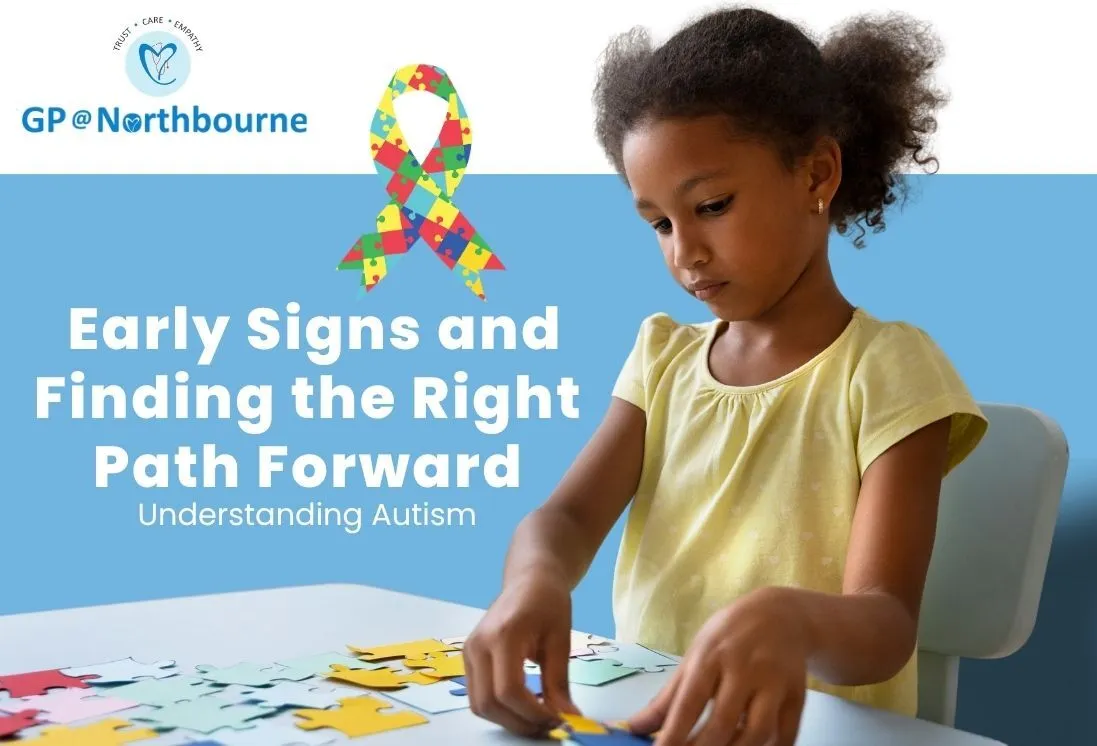

What This Article Covers:
This article explains autism spectrum disorder, early signs of autism in children, how it is diagnosed, and when to seek help, offering clear, supportive guidance for recognising and understanding developmental differences.
Noticing the Subtle Signs: How Your Child Engages and Connects
Ask your parents about your childhood milestones, and they’ll launch into stories of when you first walked and spoke, your first smile, or how you would make eye contact when called by name! As parents, you are the experts on your child’s unique way of playing and connecting. So naturally, you’d be the first to sense ‘quiet differences’ in your child’s behaviour and interactions. Whether it’s a delay in responding to their name, a repetitive way of playing, or a different way of using eye contact, these early autism signs are often subtle indicators that their brain is wired differently.
Rather than an early signs of autism checklist, look at the quality of your connection: Is your child reaching out to share an interest? Do they use gestures to communicate a need? Acknowledging the autism spectrum disorder early is simply the first step in providing them with a world that fits.
Autism Spectrum Explained: A Different Way the Brain Processes the World
The concept of Neurodiversity suggests that some brains can be wired uniquely. Think of it as a special map. While most people use a regular map and follow standard routes of processing information, a child on the spectrum may take a different path that highlights different details, ones that others might miss.
So, is Autism spectrum disorder a neurodevelopmental disorder? Yes, it is a lifelong condition that affects how the nervous system and brain develop. However, the term “spectrum” here simply shows the immense diversity of autism in children. Unlike a linear scale going from “mild to severe,” this spectrum shows the child’s range of strengths and support needs. To put it simply, a child low on the spectrum may be able to live normally with subtle adjustments, but one high on the scale might require a lot of help and support to feel safe and understood.
Supporting autistic children isn’t about changing their behaviour and interactions, but helping them communicate with a world that speaks a different social language. So, it’s about time we stop blaming parenting for differences in children with Austism and instead discuss how to improve their lives.
From Noticing to Knowing: Navigating Autism Diagnosis and Support
Knowledge is the key that unlocks all doors. As parents, even if instincts tell you there’s something different about your child’s development, taking the first step towards autism assessment can feel overwhelming. But a diagnosis can help you understand the condition better and reach out for the right support.
In Australia, the diagnostic process for autism is a collaborative journey that starts with a GP assessment and referral to specialists like paediatricians and psychologists. These experts check your child’s development through play-based observations, interviews with parents, and developmental history reviews. Then they give you a comprehensive report that identifies your child’s specific support needs if required, and it opens the door to local services like the ACT Child Development Service, the Autism Spectrum Australia (Aspect), or the NDIS.
Why Early Support Matters: Helping Your Child Thrive
Identifying autism symptoms early is not about defining a child’s limitations. It’s about understanding their unique challenges and ensuring they have the support and tools they need to live confidently and independently. Understanding ASD ( autism spectrum disorder) allows us to meet children where they are, helping them navigate a world that may not always be built for their senses, but one where they absolutely belong.
Worried about your child’s development? This April, during Autism Awareness Month, take the first step with your GP or one of our GPs at GP Northbourne. Whether your child is showing autism signs or you want to discuss the diagnostic process, our team is always ready to support you. Book an Appointment Online or call to schedule a consultation today.
Frequently Asked Questions
Q1. Can autism be treated?
A: Autism is not an illness that needs to be cured. Instead, support focuses on helping the child develop skills, manage challenges, and thrive. Early intervention therapies, communication support, and structured guidance can make a meaningful difference.
Q2. What are the early signs of autism in children?
A: Early signs of autism often relate to how children communicate and interact. These may include limited eye contact, not responding to their name, delayed speech, reduced use of gestures, and a preference for repetitive activities. These signs can appear differently in every child.
Q3. What are 5 common signs of autism?
A: While autism symptoms can vary widely from child to child, the five common autism signs include:
● Limited or inconsistent eye contact
● Delayed speech or language development
● Difficulty with back-and-forth social interaction
● Repetitive behaviours or inclination for strong routines
● Sensitivity to sounds, textures, or lights
Q4. How do they test for autism?
A: There is no single medical test for autism. Diagnosis involves a detailed developmental assessment carried out by professionals such as paediatricians, psychologists, and speech pathologists. They observe behaviour, communication, and social interaction over time.
Q5. When should I see a GP about autism concerns?
A: You should see a GP if you notice ongoing developmental differences, such as delayed speech, lack of response to name, or limited social interaction. While these are not always indicative of autism, they could lead to early intervention. Trust your instincts and visit your GP for advice about the next steps.
Q6. Can a child with autism have a normal life?
A: Yes. Many children with autism grow up to lead fulfilling and meaningful lives. With the right support, understanding, and environment, they can develop strong skills, build relationships, and pursue their interests in their own unique way.
Q7. Why is early intervention important for autism?
A: Early support helps children build communication, social, and adaptive skills during crucial developmental years. It allows support to be tailored to the child’s needs, improving long-term outcomes and confidence.






























Sign in to leave a comment.