

Laboratory glassware plays a crucial role in scientific research, chemical testing, and educational experiments. Among the many types of lab glassware used in laboratories, beakers are considered one of the most essential tools for handling chemicals and conducting experiments. The concept of beaker chemistry refers to the use of laboratory beakers in various chemical processes such as mixing solutions, heating substances, and measuring approximate volumes.
Beakers are widely used in chemistry labs, research institutions, pharmaceutical laboratories, and educational facilities. Their simple design, durability, and versatility make them one of the most commonly used pieces of laboratory equipment. Understanding the role of beaker chemistry helps scientists and students perform experiments safely and accurately
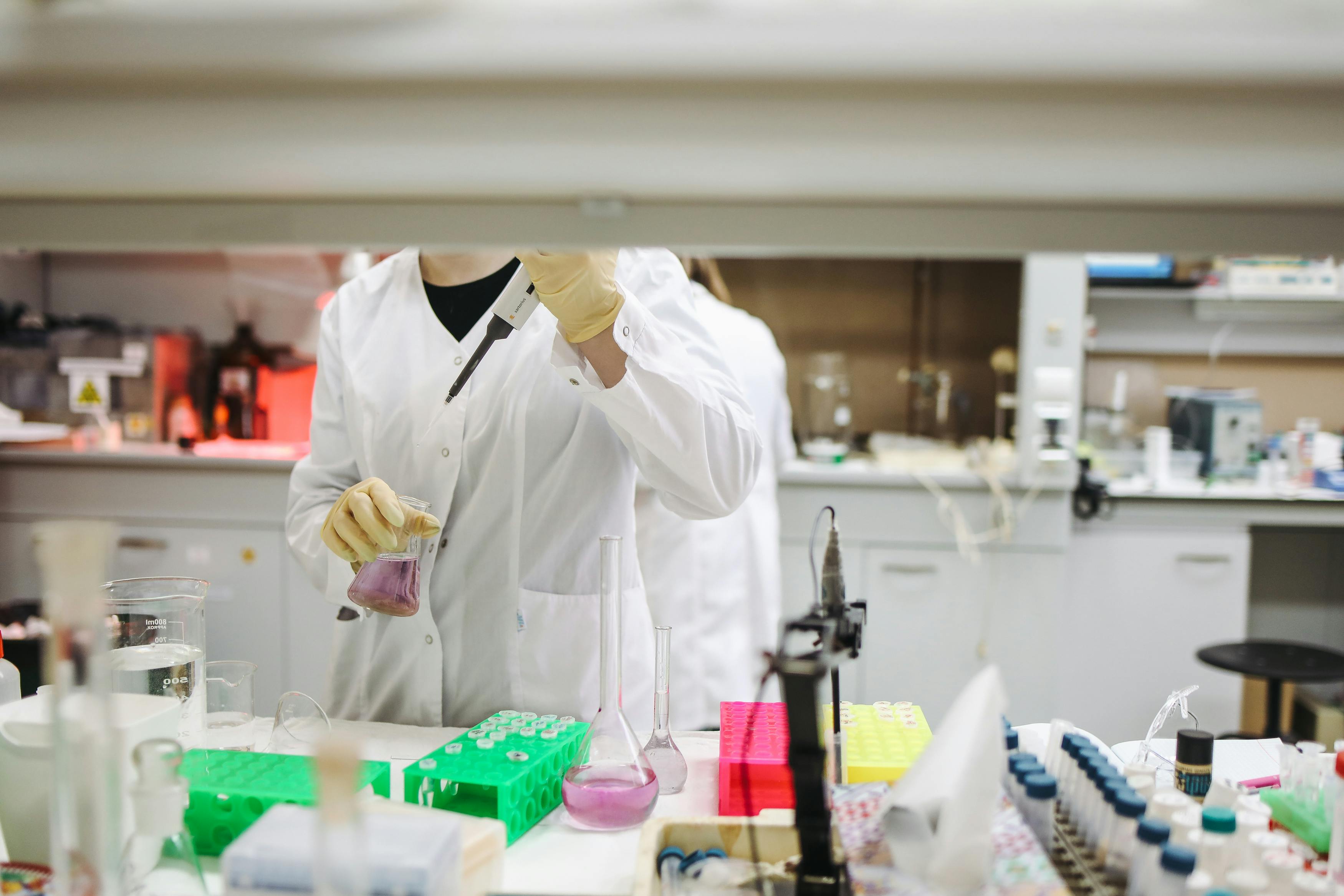
What is Beaker Chemistry?Beaker chemistry involves the practical use of laboratory beakers in chemical experiments and laboratory procedures. A beaker is a cylindrical container with a flat bottom and a small pouring lip that allows easy transfer of liquids. These containers are typically made from borosilicate glass, which is known for its high resistance to heat and chemical reactions. In chemistry laboratories, beakers are used for several purposes, including:
Although beakers are not designed for highly precise measurements, they are very useful for estimating liquid volumes and conducting routine laboratory tasks. | Importance of Beakers in Laboratory ExperimentsBeakers are considered a fundamental tool in beaker chemistry because they support a wide range of laboratory activities. Scientists rely on beakers for experiments that involve chemical reactions, solution preparation, and heating processes. 1. Versatility 2. Heat Resistance
|
|---|---|
Types of Beakers Used in Chemistry Laboratories
Different laboratories may use various types of beakers depending on the type of experiment being conducted. Some of the most common types include:
Low-Form Beakers (Griffin Beakers)
These are the most widely used beakers in chemistry labs. They are shorter and wider, making them stable and easy to handle.
Tall-Form Beakers (Berzelius Beakers)
These beakers are taller and narrower than Griffin beakers and are used when experiments require reduced evaporation or splashing.
Plastic Beakers
Some laboratories use plastic beakers made from polypropylene or other chemical-resistant materials. These are useful for experiments that do not require high temperatures.
Role of Quality Glassware in Beaker Chemistry
High-quality laboratory glassware is essential for safe and accurate scientific experiments. Poor-quality glassware may crack under heat, react with chemicals, or affect experimental results.
Modern scientific equipment manufacturers produce laboratory beakers using advanced manufacturing processes to ensure durability, chemical stability, and heat resistance. Laboratories often prefer borosilicate glass beakers because they provide excellent performance under extreme laboratory conditions.
Quality glassware also ensures safety in the laboratory, as it reduces the risk of breakage and contamination during chemical procedures.
Applications of Beaker Chemistry
Beaker chemistry is widely applied in different fields of science and industry. Some major applications include:
- Chemical research laboratories
- Pharmaceutical development and testing
- Educational chemistry laboratories
- Industrial quality control testing
- Environmental and water analysis
In each of these areas, beakers help scientists mix solutions, perform reactions, and prepare samples for further analysis.
Frequently Asked Questions (FAQs)
1. What is the main purpose of a beaker in chemistry?
A beaker is mainly used for mixing, heating, and holding chemical liquids during laboratory experiments.2. Are beakers used for precise measurement?
Beakers provide approximate volume measurements. For highly accurate measurements, laboratories typically use graduated cylinders or volumetric flasks.3. Why are borosilicate glass beakers preferred in laboratories?
Borosilicate glass is resistant to heat and chemical reactions, making it ideal for laboratory experiments involving high temperatures and reactive chemicals.4. Can beakers be used for heating chemicals directly?
Yes, borosilicate glass beakers can be safely heated on hot plates or over Bunsen burners in laboratory conditions.5. What sizes of beakers are commonly used in laboratories?
Laboratory beakers are available in various sizes, such as 50 ml, 100 ml, 250 ml, 500 ml, and 1000 ml, depending on the experiment requirements.
Conclusion
Beakers are one of the most fundamental tools used in chemistry laboratories around the world. The concept of beaker chemistry highlights the important role these simple yet highly functional containers play in scientific research, experimentation, and education.
From mixing chemical solutions to heating liquids and preparing reagents, laboratory beakers support a wide variety of experimental processes. When combined with high-quality laboratory glassware, they help ensure safety, reliability, and consistent results in scientific work.





















Sign in to leave a comment.