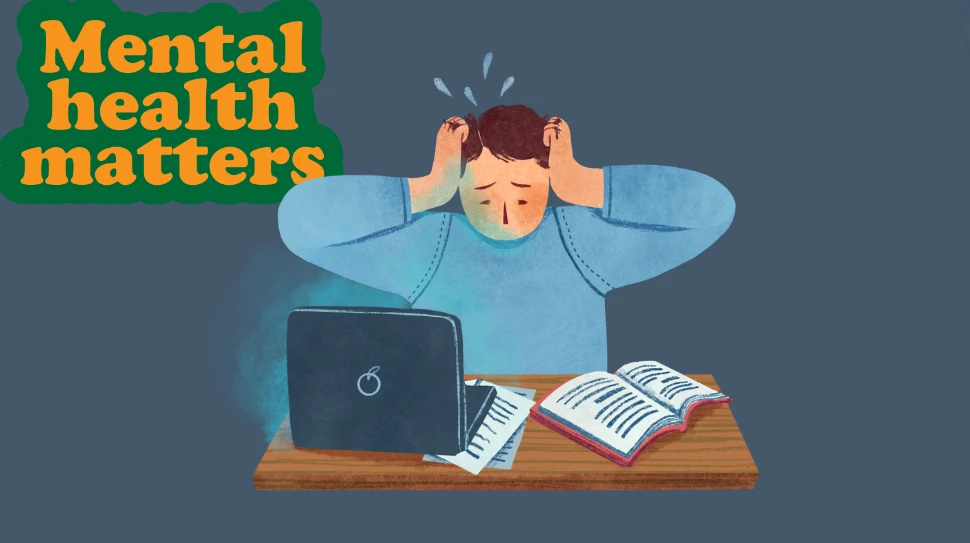

Mental health challenges impact millions worldwide. Among these, conditions like bipolar disorder and emotional instability create unique struggles. Knowing how a person with bipolar thinks explains why stability is unreachable for some people. Other than that, coupled with the insights into what mentally unstable means, this knowledge will be important in creating empathy and furthering recovery.
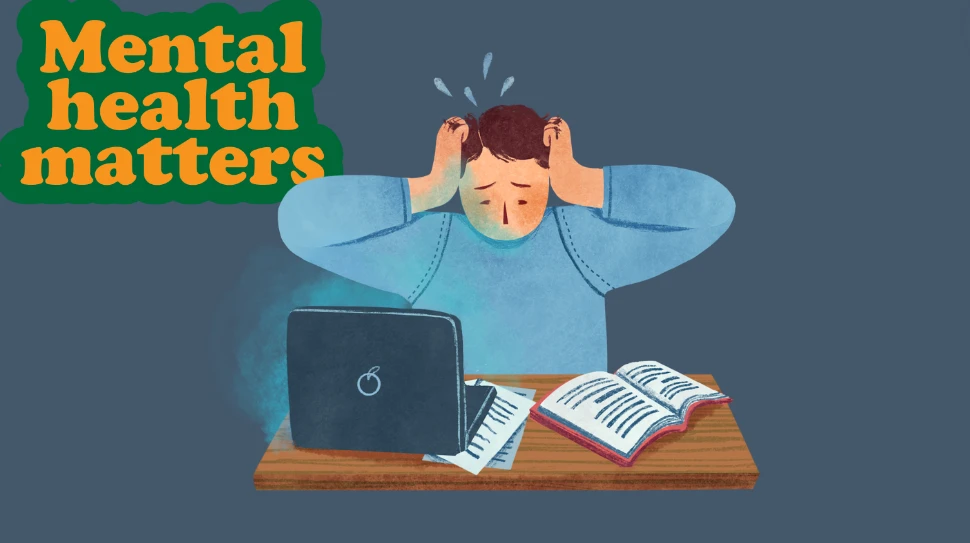
Residential mental health treatment provides comprehensive care to those seeking lasting solutions and guides one toward stability for long-term wellness.
1. Understanding Bipolar Disorder: How a Person with Bipolar Thinks
Bipolar disorder involves extreme shifts in mood, energy, and thought processes. People with bipolar disorder alternate between manic highs and depressive lows. These changes affect decision-making, focus, and self-perception.
- During manic episodes, the brain operates in overdrive. A person may feel unstoppable, taking risks without considering consequences. Thoughts race uncontrollably, creating a flood of ideas. While this energy can feel productive, it is unsustainable and often destructive.
In depressive episodes, the opposite happens. Energy plummets. Motivation disappears. Simple tasks become overwhelming. Dominating negative thoughts create feelings of worthlessness or hopelessness.
This fluctuation helps to describe the bipolar thinking process: dramatic changes in a person's experience, according to the phase, disrupt social relationships, holding a job, and emotional balance.
According to the National Institute of Mental Health (NIMH), approximately 2.8% of U.S. adults have bipolar disorder, with symptoms varying in severity (NIMH).
2. Mentally Unstable Meaning: Signs of Emotional and Behavioral Instability
The term mentally unstable refers to unpredictable emotional and behavioral patterns. It does not mean someone is broken or incapable but highlights struggles with coping and regulation.
Common indicators of mental instability include:
- Sudden mood changes, such as extreme anger or sadness.
- Difficulty managing stress.
- Impulsive or risky behavior.
- Emotional outbursts over minor triggers.
- Struggles with concentration or decision-making.
Mental instability often stems from untreated mental health conditions like bipolar disorder, borderline personality disorder, or severe anxiety. Recognizing these signs is the first step toward seeking help.
The mentally unstable meaning lies in its unpredictability. It’s crucial to approach the term with empathy rather than judgment. For those experiencing instability, professional care provides essential support.
3. Why Residential Mental Health Treatment is Effective
When mental health challenges disrupt daily life, outpatient care may not be enough. Residential mental health treatment offers a structured, immersive environment where individuals can focus entirely on recovery.
In residential programs, clients benefit from:
- 24/7 Support: Constant access to therapists, doctors, and mental health specialists.
- Personalized Treatment Plans: Programs tailored to each person’s condition, addressing specific needs.
- Therapeutic Interventions: Evidence-based methods like Cognitive Behavioral Therapy (CBT), EMDR, and Dialectical Behavioral Therapy (DBT).
- Skill Building: Tools to improve emotional regulation, decision-making, and stress management.
For someone with bipolar disorder, residential care stabilizes mood cycles. Patients learn to identify triggers, manage manic symptoms, and prevent depressive episodes. This controlled environment minimizes external stressors, fostering meaningful progress.
According to the National Alliance on Mental Illness (NAMI), residential care reduces relapse rates and improves long-term outcomes (NAMI).
4. Exploring Bipolar Disorder and Mental Instability Through Real-Life Experiences
Personal stories often offer the clearest understanding of mental health challenges. For example:
- Case 1: A 32-year-old woman struggled with untreated bipolar disorder for years. During manic phases, she started new projects, made reckless financial decisions, and alienated loved ones. Depressive phases left her bedridden. Residential mental health treatment provided the structure she needed. By addressing her condition through therapy and medication management, she regained stability.
- Case 2: A 40-year-old man experienced frequent emotional outbursts and mood swings, embodying the mentally unstable meaning. Friends and family misunderstood his behavior. Through professional treatment, he discovered he had bipolar disorder. Therapy helped him recognize his triggers and manage emotional responses.
These examples highlight the importance of early intervention and comprehensive care. Understanding how a person with bipolar thinks helps break stereotypes and encourage support.

5. Tools and Strategies for Managing Bipolar Disorder and Emotional Instability
Effective management involves a mix of treatment approaches and healthy lifestyle changes. Key strategies include:
- Medication Management
- Mood stabilizers, antipsychotics, and antidepressants are often prescribed to manage bipolar symptoms. Medication balances brain chemistry and reduces extreme mood swings.
- Therapy and Counseling
- Therapies like CBT and Acceptance and Commitment Therapy (ACT) teach individuals to manage thought patterns, challenge negative beliefs, and develop coping mechanisms.
- Lifestyle Adjustments
- Maintain a consistent sleep schedule.
- Engage in regular physical activity.
- Eat balanced, nutritious meals.
- Practice mindfulness through meditation or breathing exercises.
- Residential Mental Health Treatment
- For those with severe symptoms, residential care offers an ideal environment for stabilization and recovery.
- Support Systems
- Connecting with family, friends, and peer support groups provides encouragement. Discussing how a person with bipolar thinks fosters understanding among loved ones.
External resources like MentalHealth.gov provide valuable tools for individuals seeking help.
6. Breaking the Stigma Around Mental Instability and Bipolar Disorder
Despite growing awareness, stigma still surrounds mental health. Words like “unstable” carry negative connotations. Society often misunderstands mentally unstable meaning, associating it with weakness or unreliability.
Education and open conversations help reduce stigma. Understanding conditions like bipolar disorder changes how people perceive those struggling.
For example, sharing accurate information on how a person with bipolar thinks dispels misconceptions. It highlights the challenges while emphasizing the strengths of individuals navigating these conditions.
Mental health is no different from physical health. Seeking treatment, whether outpatient or residential mental health treatment, is a sign of strength. It reflects a commitment to growth and recovery.
Final Thoughts
Mental health challenges like bipolar disorder and emotional instability affect millions. By understanding how a person with bipolar thinks and recognizing the mentally unstable meaning, society becomes more empathetic and supportive.
Treatment options, especially residential mental health treatment, provide the tools and environment necessary for long-term stability. With professional care, individuals regain control, rediscover balance, and lead fulfilling lives.
Breaking the stigma starts with awareness. Mental health deserves attention, understanding, and action.



























Sign in to leave a comment.