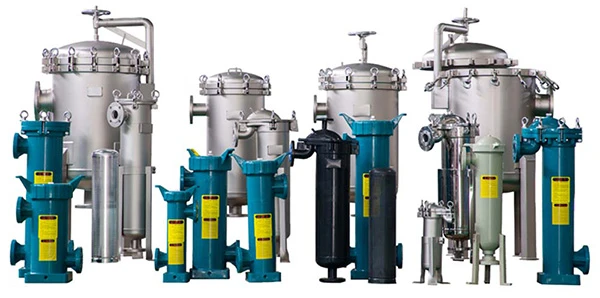

The cartridge filter housing is an essential component in various filtration systems, providing support and protection for filter cartridges used to remove impurities from liquids and gases.
These housings play a crucial role in ensuring the efficiency and longevity of filtration processes across numerous industries.
This article explores the different types of cartridge filter housing, their applications, benefits, and the factors to consider when selecting the right housing for specific needs.
What is Cartridge Filter Housing?
Cartridge filter housing is a casing or enclosure designed to hold and protect filter cartridges. These cartridges, typically made from materials like polypropylene, polyester, or fibreglass, are inserted into the housing to filter out contaminants from liquids or gases passing through the system. The housing ensures that the filtration process is efficient, secure, and easy to maintain.
Types of Cartridge Filter Housing
Cartridge filter housings come in various designs and materials, each suited for specific applications and environments. The primary types include:
Single Cartridge Housing: Designed to hold a single filter cartridge, this type of housing is commonly used in applications with lower flow rates and smaller filtration needs. It is ideal for residential use and small-scale industrial applications.
Multi-Cartridge Housing: These housings can hold multiple filter cartridges, making them suitable for higher flow rates and larger volumes of fluid. Multi-cartridge housings are used in industrial settings where efficient filtration of large quantities of liquid or gas is required.
Stainless Steel Housing: Known for their durability and resistance to corrosion, stainless steel housings are ideal for applications involving harsh chemicals or high temperatures. They are widely used in the pharmaceutical, food and beverage, and chemical industries.
Plastic Housing: Typically made from materials like polypropylene or PVC, plastic housings are lightweight and cost-effective. They are used in applications where lower pressures and temperatures are involved, such as in residential water filtration and light industrial processes.
High-Flow Housing: Designed to accommodate high flow rates, these housings are used in applications requiring the filtration of large volumes of fluid in a short time. They are commonly found in municipal water treatment plants and large-scale industrial processes.
Sanitary Housing: Used in applications requiring strict hygiene standards, such as in the pharmaceutical and food and beverage industries. These housings are designed to minimize contamination and are easy to clean and sterilize.
Applications of Cartridge Filter Housing
Cartridge filter housings are utilized in a wide range of applications across various industries:
Water Treatment: In both municipal and residential water treatment, cartridge filter housings are used to remove sediments, chlorine, and other contaminants, ensuring clean and safe drinking water.
Pharmaceuticals: In the pharmaceutical industry, these housings are critical for the filtration of liquids used in drug formulation, ensuring the removal of particulates and microorganisms to meet stringent purity standards.
Food and Beverage: Cartridge filter housings are used to filter liquids such as water, juices, and alcoholic beverages, removing impurities and ensuring product quality and safety.
Chemical Processing: In chemical manufacturing, filter housings are essential for removing impurities from raw materials and finished products, protecting equipment, and ensuring the purity of chemicals.
Oil and Gas: In the oil and gas industry, cartridge filter housings are used to filter hydrocarbons, water, and other fluids, preventing contamination and protecting downstream equipment.
HVAC Systems: In heating, ventilation, and air conditioning systems, filter housings are used to remove dust, pollen, and other airborne particles, improving air quality and protecting system components.
Industrial Manufacturing: In various manufacturing processes, cartridge filter housings help remove contaminants from cooling water, lubricants, and process fluids, ensuring product quality and protecting machinery.
Benefits of Cartridge Filter Housing
The use of cartridge filter housings offers numerous benefits:
Improved Filtration Efficiency: By securely holding filter cartridges, these housings ensure that all fluid passes through the filter media, maximizing contaminant removal and improving overall filtration efficiency.
Durability and Longevity: High-quality housings, particularly those made from stainless steel, offer excellent resistance to corrosion and wear, extending the lifespan of the filtration system.
Ease of Maintenance: Cartridge filter housings are designed for easy installation and replacement of filter cartridges, reducing downtime and maintenance costs.
Versatility: With various designs and materials available, cartridge filter housings can be tailored to suit a wide range of applications and operating conditions.
Protection for Filter Cartridges: The housing protects filter cartridges from physical damage and environmental factors, ensuring consistent filtration performance and prolonging cartridge life.
Compliance with Standards: Many cartridge filter housings are designed to meet industry standards and regulations, ensuring compliance with health, safety, and environmental requirements.
Factors to Consider When Selecting Cartridge Filter Housing
Choosing the right cartridge filter housing involves considering several factors to ensure optimal performance and compatibility with the specific application:
Material Compatibility: The housing material should be compatible with the fluid being filtered and the operating conditions. Stainless steel is ideal for corrosive environments, while plastic housings are suitable for less demanding applications.
Flow Rate and Pressure: The housing must be capable of handling the required flow rate and operating pressure. Multi-cartridge and high-flow housings are designed for higher capacities.
Filtration Requirements: Consider the level of filtration needed, including the size and type of contaminants to be removed. This will determine the type and number of filter cartridges required.
Operating Temperature: The housing material and design should be able to withstand the operating temperature of the application. Stainless steel housings are suitable for high-temperature applications.
Maintenance and Accessibility: Easy access for cartridge replacement and maintenance is essential to minimize downtime. Look for housings with user-friendly designs that facilitate quick and easy maintenance.
Regulatory Compliance: Ensure the housing meets relevant industry standards and regulations, particularly in sensitive applications such as pharmaceuticals and food and beverage processing.
Conclusion
Cartridge filter housings are a vital component in many filtration systems, providing protection, support, and efficiency for filter cartridges. Their versatility and robust design make them suitable for a wide range of applications, from water treatment to industrial manufacturing.
By understanding the different types of housings, their applications, and the factors to consider when selecting one, industries can optimize their filtration processes, enhance product quality, and ensure compliance with regulatory standards.
As technology and materials continue to evolve, cartridge filter housings will remain an indispensable part of modern filtration solutions, contributing to cleaner, safer, and more efficient industrial processes.

























Sign in to leave a comment.