
Introduction
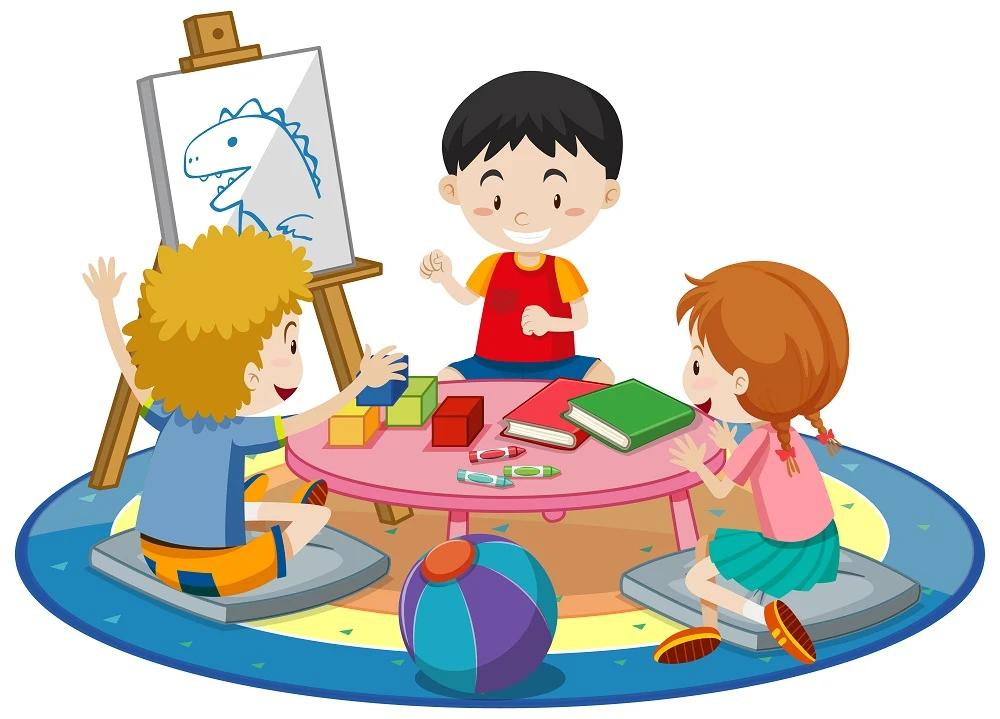
To prepare people for a successful and satisfying life, education is a dynamic process that tries to instill knowledge, skills, and values in them. But not every learner is the same; every student has particular skills, interests, and difficulties. To address this variety, educators must adopt the Science of Education and include Socio Emotional Learning (SEL) concepts to create a customized learning environment that takes into account different learning preferences. Discuss the importance of identifying learning styles and how SEL integration improves the efficacy of individualized instruction.
The Study of Learning Styles and Education
To better understand how kids learn, the science of education is an interdisciplinary field that integrates neuroscience, psychology, and pedagogy components. The recognition that different learners have various ways of processing information, which results in varied learning styles, is essential to this idea. Despite disagreements over the notion of learning styles, most educators concur that taking into account these variations can improve learning results.
Diagrams, charts, and movies are excellent tools for visual learners to use to efficiently absorb information. Conversely, auditory learners learn best by listening, conversations, and verbal explanations. Kinesthetic learners favor active learning and hands-on experiences. Additionally, multimodal and read/write learners do best when they can read and take notes.
Learning becomes more interesting and meaningful when educators can adapt their teaching strategies and resources to fit the preferences of each student by determining their learning styles. Better information retention, application, and comprehension are all fostered by this individualized approach.
Education Need for Socio Emotional Learning (SEL)
Socio Emotional Learning (SEL) has been increasingly important in the field of education in recent years. Self-awareness, social awareness, self-control, empathy, and connection-building are just a few of the abilities included in SEL. Students' emotional intelligence, resiliency, and interpersonal skills increase when SEL is included in the curriculum.
Learners are more likely to be motivated and excited about learning when they have emotional support and engagement. Teachers may successfully meet students' emotional and social learning needs by cultivating a happy and welcoming learning environment. This improves academic achievement and general well-being.
Personalized learning for each student
SEL principles and the Science of Education allow instructors to design lessons for student achievement. Here are a few methods to accomplish this:
Learning Style Assessment: Finding each student's preferred learning style can be aided by conducting learning style tests at the start of the academic year. This procedure can be aided by tools like surveys and observation.Differentiated teaching: Teachers can use differentiated teaching strategies if they are aware of students' unique learning preferences. To accommodate a variety of learners in the classroom, they can employ a combination of visuals, aural aids, hands-on activities, and reading resources.Project-Based Learning: Implementing project-based learning fosters interaction and practical learning, which is advantageous for kinesthetic learners. In addition, it encourages critical thinking and creativity, meeting the demands of different learning styles.SEL Integration: Integrate Socio-Emotional Learning into the curriculum to advance empathetic behavior, self-awareness, and emotional intelligence. Discussions in groups, reflection exercises, and problem-solving activities can help.
Taking Care of Learning Issues
The ability to handle learning obstacles is one of the biggest advantages of adapting education to individual learning styles. Numerous kids struggle with numerous learning challenges, including dyslexia, ADHD, and problems with the auditory system. These difficulties may impede their academic development and cause annoyance and disengagement.
Teachers may establish a welcoming and helpful learning environment by using a tailored approach that fits their students' abilities and interests. For instance, choosing dyslexia-friendly typefaces and including additional visual aids can help visual learners with dyslexia. Kinesthetic learning exercises that provide ADHD students a way to channel their energy may help them succeed in class.
Conclusion
To create a welcoming and successful learning environment, it is crucial to comprehend various learning styles and use socio emotional learning concepts. Teachers can adapt their instructional strategies to fit the requirements of different students by recognizing individual variations, which will improve the academic performance and overall development of the students. A generation of children who are not just academically capable but also emotionally intelligent and socially responsible may be raised by educators who embrace the Science of Education and SEL.


























Sign in to leave a comment.