

Putting up a fence seems simple until you actually start looking into prices. Many homeowners are surprised by how much fencing costs can vary. One quote might look reasonable, while another feels far too high for what seems like the same job.
The truth is, fencing prices depend on several small details that often get overlooked. Materials, labour, ground conditions, and even access to your property can change the final cost. Knowing what affects pricing makes it much easier to budget and avoid last-minute surprises.
1. Factors That Affect Fencing Costs
1.1 Material Costs
The type of fencing material you choose will have the biggest impact on your overall spend.
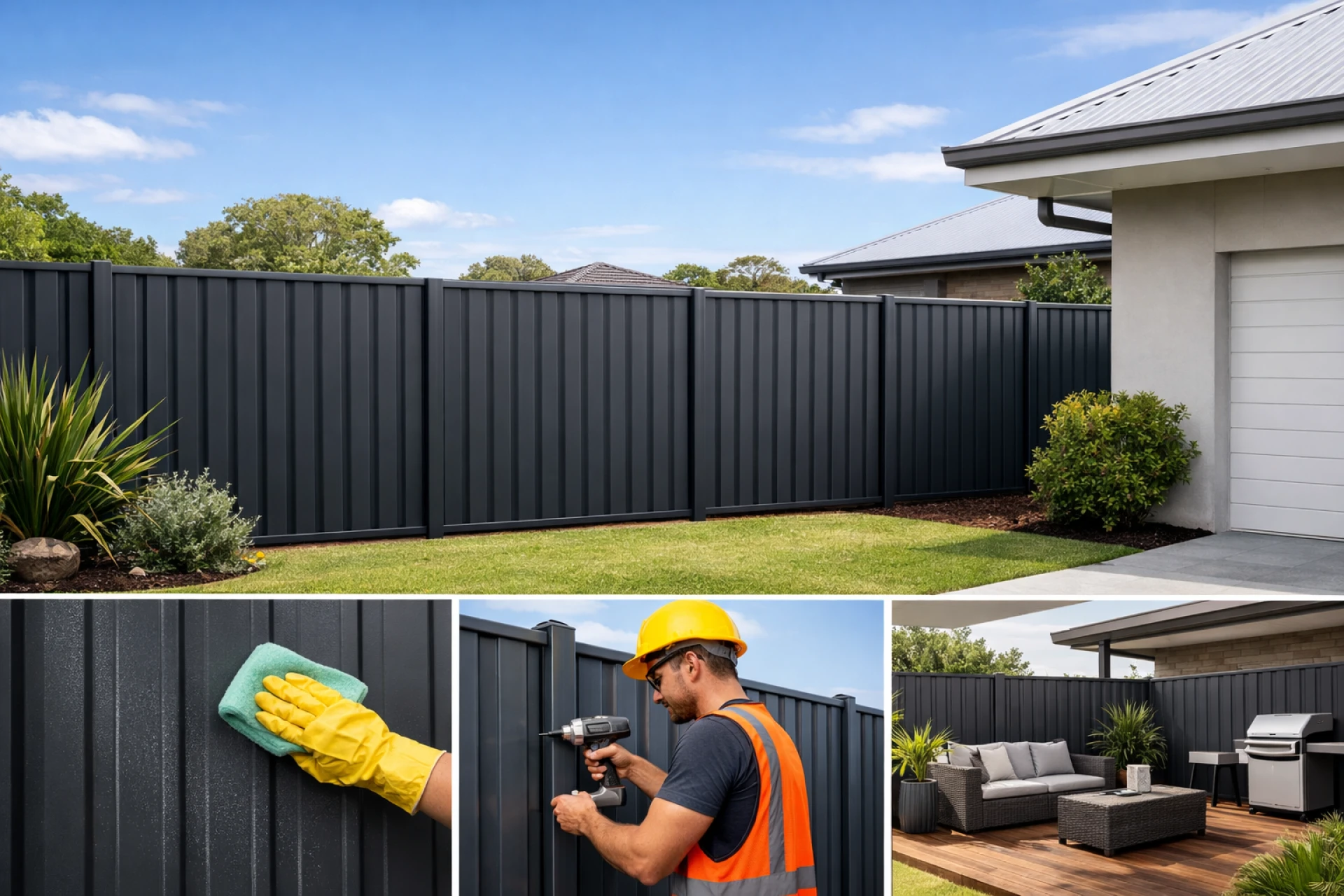
Colorbond Fencing
Colorbond is popular because it’s strong, neat, and built for Australian conditions. It doesn’t rot, attract termites, or rust easily. While the upfront cost can be higher than timber, many homeowners prefer it because there’s very little maintenance involved later on.
Timber Fencing
Timber fencing is often chosen for its natural look and lower starting price. However, timber usually needs ongoing care. Over time, boards can warp, split, or fade, which means repairs or repainting down the track.
Other Materials
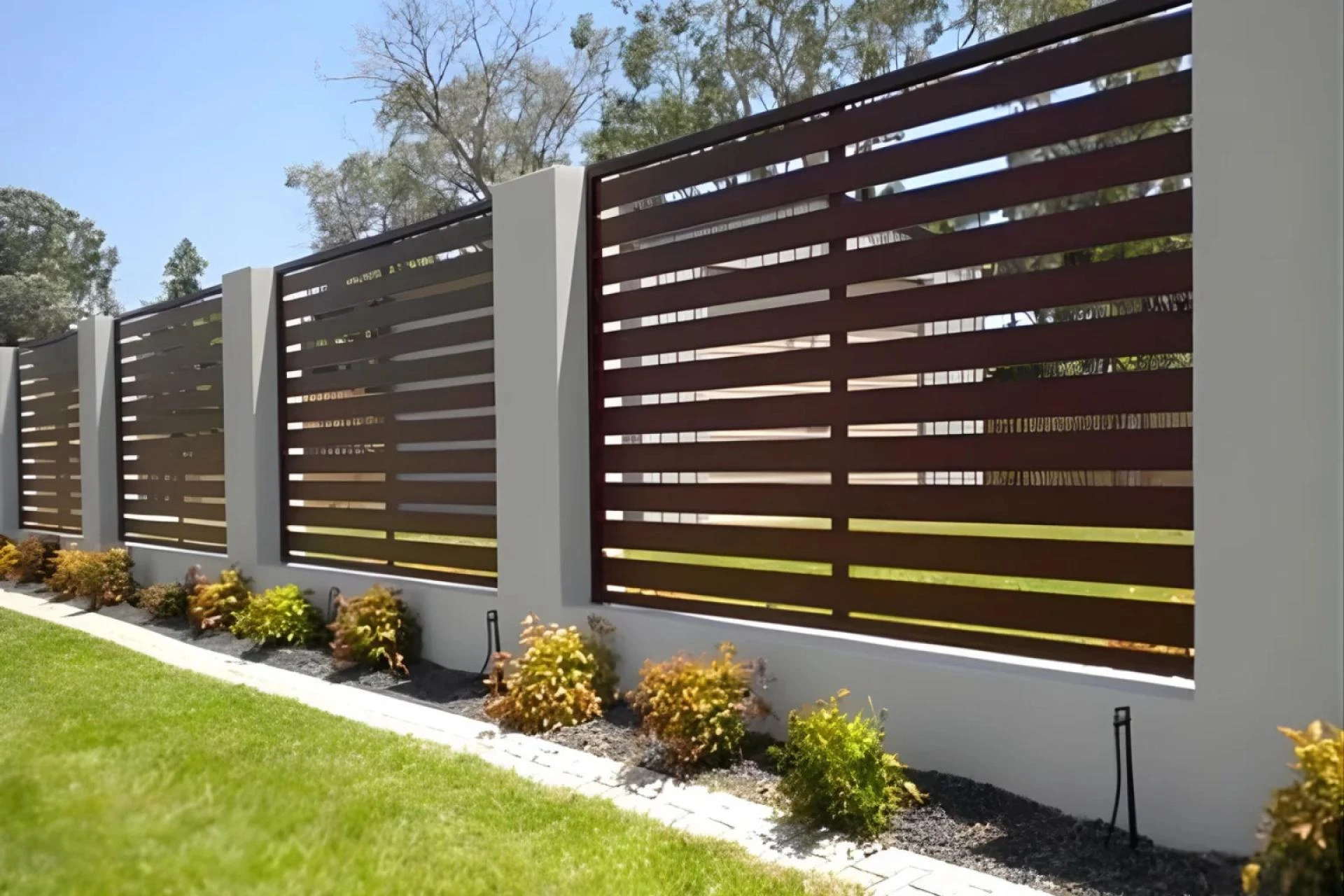
Aluminium Slat Fencing
Aluminium slats are common in modern homes. They look clean and contemporary and last well in coastal or wet areas. Because installation requires accuracy and custom spacing, this option usually costs more than standard fencing.
Pool Fencing
Pool fencing is a category of its own. It must meet strict safety rules, which can affect pricing. Glass panels, aluminium rails, and self-closing gates all add to the total cost, but compliance is non-negotiable.
1.2 Labour Costs
Labour is another major factor that many people underestimate.
Some fencing jobs are priced hourly, especially repairs or smaller tasks. Others are quoted as a fixed price, which is more common for full fence installations.
The material you choose also affects labour time.
For example, Colorbond panels are usually faster to install, while timber fencing often takes longer due to cutting, spacing, and alignment.
Labour costs also change depending on the service:
- Fence installation involves digging, setting posts, and accurate levelling
- Fence repairs depend on how much of the fence is damaged
- Fence painting or staining can add extra time, especially for older fences
2. Understanding the Cost Breakdown
One useful way to understand fencing quotes is by looking at the cost per square metre. This makes it easier to compare different fence types fairly, especially when heights vary.
Why Square Metre Pricing Helps
- Makes quotes easier to compare
- Shows where your money is going
- Helps plan your budget more accurately
Simple Example
A fence that looks cheaper per metre might actually cost more once height and labour are included. Square metre pricing gives a clearer picture of real value.
3. Why Hiring Professional Fence Specialists Matters
3.1 Quality Makes a Difference
Professional fence installers focus on details that are easy to miss. Straight lines, secure footings, and correct spacing all affect how long a fence lasts.
They also use better materials and proven installation methods that reduce future problems like leaning posts or loose panels.
Customisation is another advantage. Professionals can adjust heights, finishes, and gate designs to suit your property rather than forcing a one-size-fits-all solution.
Most reputable fencing specialists also offer warranties, which gives extra peace of mind.
3.2 Saving Time and Hassle
Installing a fence isn’t just physical work. There’s measuring, digging, concrete setting, and dealing with local regulations. Hiring professionals saves time and avoids mistakes that can be expensive to fix later.
3.3 Long-Term Cost Benefits
A properly installed fence lasts longer and needs fewer repairs. This reduces maintenance costs over time and protects your initial investment.
Long-term benefits include:
- Fewer repairs
- Better durability
- Less ongoing maintenance
3.4 Legal and Council Compliance
Fence height limits, boundary rules, and pool safety regulations must be followed. Experienced fencing contractors understand these requirements and ensure your fence complies with local laws.
This matters because non-compliant fencing can lead to disputes, fines, or forced changes later on.
4. Tips to Manage Your Fencing Budget
- Get detailed quotes that clearly list materials and labour
- Choose materials based on long-term value, not just price
- Plan fence height and design carefully
- Ask about warranties and after-installation support
- Work with experienced local fencing professionals
5. Conclusion
Fencing costs aren’t just about materials. Labour, installation quality, and long-term durability all play a role. When you understand these factors, budgeting becomes much easier and more realistic. Working with experienced contractors Stag Fencing also helps ensure the job is done properly the first time, saving you from unexpected repairs or extra costs later on.

























Sign in to leave a comment.