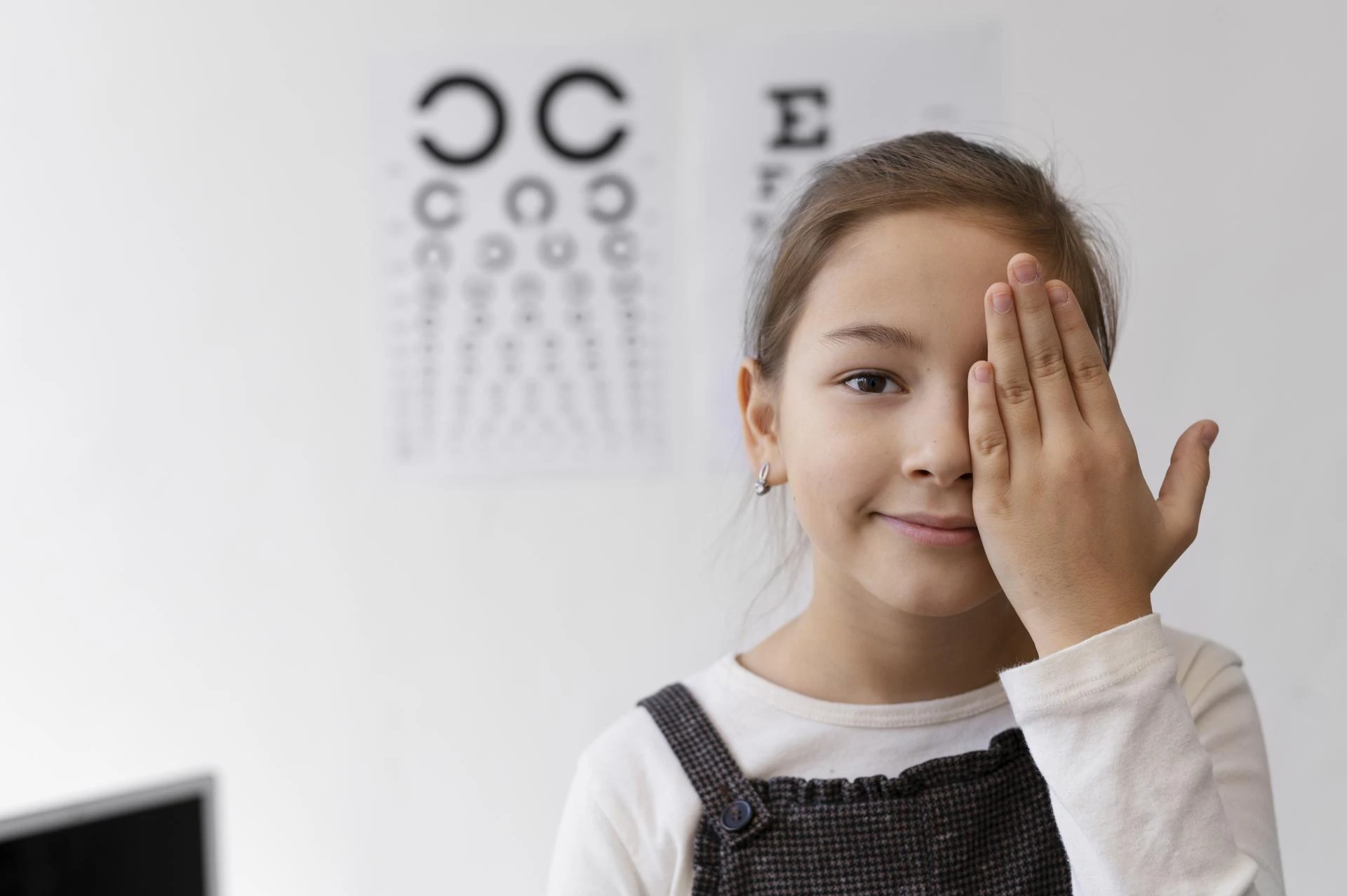

Glaucoma is often called the “silent thief of sight” because it can slowly damage your vision without obvious symptoms until significant vision loss has occurred. It is one of the leading causes of irreversible blindness worldwide. Early detection and management are crucial to prevent permanent damage, and institutions like Malabar Maxivision Eye Hospital play a vital role in providing expert diagnosis and treatment.
What Is Glaucoma?
Glaucoma refers to a group of eye conditions characterized by damage to the optic nerve, often due to increased pressure inside the eye (intraocular pressure). This pressure buildup can harm the nerve fibers, leading to gradual vision loss, starting with peripheral vision and potentially progressing to total blindness if untreated.
Causes of Glaucoma
The primary cause of glaucoma is increased intraocular pressure caused by poor drainage of the aqueous humor—the fluid inside the eye. Several factors contribute to this, including:
- Age: Risk increases after age 40.
- Genetics: Family history of glaucoma raises the likelihood.
- Medical conditions: Diabetes, high blood pressure, and eye injuries.
- Eye structure: Thin corneas or abnormal optic nerve appearance.
Symptoms of Glaucoma
Because glaucoma progresses gradually, many patients do not notice symptoms early on. However, some common signs include:
- Loss of peripheral (side) vision
- Tunnel vision in advanced stages
- Eye pain or discomfort (in acute glaucoma)
- Blurred vision or halos around lights
- Redness in the eye
Risk Factors to Watch For
Certain groups have higher risk profiles for glaucoma, including:
- Individuals over 40 years of age
- Those with a family history of glaucoma
- People with diabetes or hypertension
- Those who have experienced eye trauma
- Individuals of African, Hispanic, or Asian descent
Why Early Detection Matters
Because glaucoma often shows no symptoms until advanced, regular eye exams are essential. Early diagnosis allows timely treatment, which can include eye drops, medication, laser therapy, or surgery to control eye pressure and prevent further vision loss.
Malabar Maxivision Eye Hospital: Leading the Fight Against Glaucoma
At Malabar Maxivision Eye Hospital, patients have access to advanced diagnostic tools and experienced ophthalmologists dedicated to early glaucoma detection and comprehensive care. The hospital offers personalized treatment plans tailored to each patient’s condition, ensuring the best possible outcomes. Their commitment to patient education helps raise awareness about glaucoma’s risks and the importance of regular screenings.
Conclusion
Glaucoma is a serious eye condition that requires vigilance and proactive management. If you or your loved ones fall into high-risk categories, don’t delay regular eye check-ups. Trust institutions like Malabar Maxivision Eye Hospital to provide expert care and safeguard your vision against this silent threat.































Sign in to leave a comment.