

Glaucoma is often called the “silent thief of sight,” and for good reason. This eye disease can gradually damage your vision without any noticeable symptoms until significant and irreversible vision loss occurs. Because glaucoma progresses silently and can cause permanent blindness if left untreated, regular eye exams are crucial for early detection and timely intervention. In this article, we’ll explore why routine eye check-ups are essential in detecting glaucoma early and how specialized centers like Malabar Maxivision Eye Hospital play a pivotal role in safeguarding vision.
Understanding Glaucoma and Its Risks
Glaucoma is a group of eye conditions that cause damage to the optic nerve, usually due to increased intraocular pressure (IOP) — the pressure inside the eye. When fluid within the eye does not drain properly, pressure builds up and damages the optic nerve fibers responsible for transmitting visual information to the brain. This damage leads to gradual loss of peripheral vision and, if untreated, can result in complete blindness.
Why Is Glaucoma Called the “Silent Thief of Sight”?
One of the biggest challenges with glaucoma is that it rarely shows symptoms in its early stages. Most people do not realize they have glaucoma until their vision has already been affected. This delayed awareness is why glaucoma is often referred to as the “silent thief of sight.” By the time noticeable vision loss occurs, the damage to the optic nerve is often irreversible.
The Vital Role of Regular Eye Exams in Glaucoma Detection
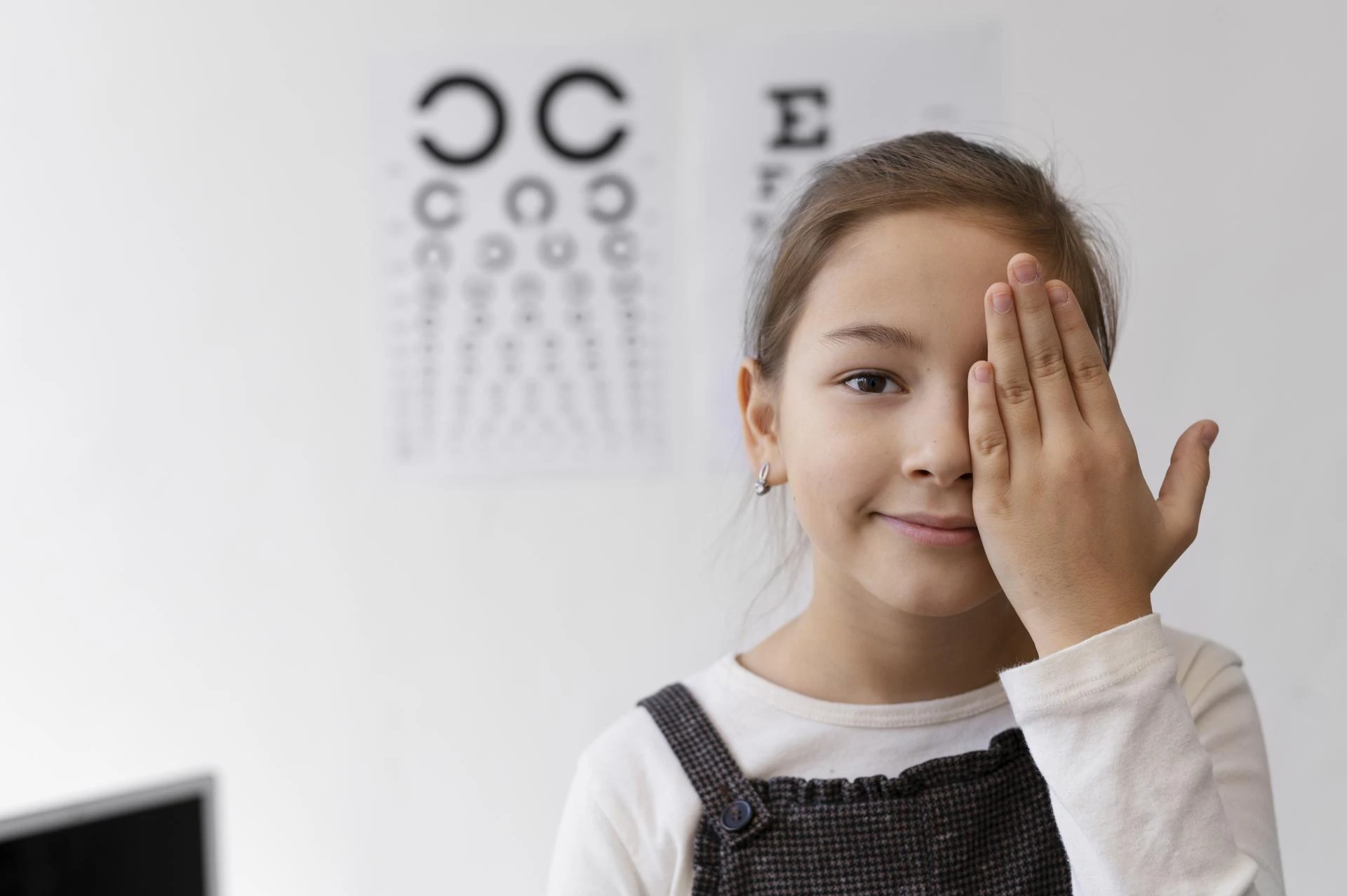
Because glaucoma can develop silently, regular comprehensive eye exams are the only reliable way to detect it before vision loss occurs. These exams involve several tests designed to evaluate eye pressure, inspect the optic nerve, and assess peripheral vision, including:
- Tonometry: Measures the pressure inside the eye (intraocular pressure).
- Ophthalmoscopy: Examines the optic nerve for signs of damage.
- Perimetry (Visual Field Test): Checks for any loss of peripheral vision.
- Gonioscopy: Inspects the drainage angle of the eye to determine the type of glaucoma.
- Pachymetry: Measures corneal thickness, which can influence eye pressure readings.
Early detection through these tests allows eye specialists to start treatment promptly, minimizing the risk of permanent vision loss.
Who Should Prioritize Regular Glaucoma Screening?
While everyone should have regular eye exams, certain individuals have a higher risk of developing glaucoma and should be particularly vigilant:
- Age: People over 40 years of age are at increased risk.
- Family History: A family history of glaucoma significantly raises the risk.
- Medical Conditions: Diabetes, high blood pressure, and cardiovascular disease are linked to higher glaucoma risk.
- Ethnicity: African, Hispanic, and Asian populations have a higher prevalence of glaucoma.
- Previous Eye Injuries or Surgeries: Trauma or surgeries can increase susceptibility.
- High Myopia (Severe Nearsightedness): This can predispose individuals to glaucoma.
Treatment Options Depend on Early Detection
If glaucoma is detected early during routine eye exams, there are various treatment options to control intraocular pressure and protect vision, including:
- Prescription eye drops to lower eye pressure
- Oral medications
- Laser therapy to improve fluid drainage
- Surgical procedures in more advanced cases
Timely treatment is key to halting disease progression and preserving quality of life.
Malabar Maxivision Eye Hospital: A Trusted Name in Glaucoma Care
For residents of Kerala and surrounding regions, Malabar Maxivision Eye Hospital stands out as a premier destination for comprehensive glaucoma screening and treatment. Equipped with advanced diagnostic technology and staffed by expert ophthalmologists, the hospital offers:
- State-of-the-art glaucoma screening and monitoring
- Personalized treatment plans based on individual needs
- Patient education programs to raise awareness about glaucoma prevention and management
- Participation in public health initiatives to reduce blindness in the community
Under the guidance of experienced specialists, patients receive compassionate care aimed at preserving their vision and preventing blindness.
What Patients Can Do to Protect Their Vision
In addition to scheduling regular eye exams, patients can take proactive steps to reduce their glaucoma risk and protect eye health:
- Follow prescribed treatments consistently if diagnosed with glaucoma
- Maintain a healthy lifestyle with regular exercise and balanced diet
- Manage underlying health conditions like diabetes and hypertension
- Avoid smoking and limit alcohol consumption
- Protect eyes from injury with safety eyewear when needed
Conclusion: Don’t Wait Until It’s Too Late
Glaucoma is a serious eye condition that requires vigilance and proactive care. Because it can progress silently and cause irreversible damage, regular eye exams are essential to catch it early. Trusting your eye health to experts like those at Malabar Maxivision Eye Hospital ensures access to the latest technology and personalized care necessary for effective glaucoma detection and management.
If you’re over 40, have a family history of glaucoma, or fall into other risk categories, don’t delay your eye exam. Schedule a comprehensive screening today and take the first step toward preserving your precious gift of sight.


























Sign in to leave a comment.