

Over the past two decades, autism diagnoses have increased significantly, leading many parents to ask an important question: Why are more children being diagnosed with autism today? While the numbers have risen, experts agree that this does not necessarily mean autism itself is becoming dramatically more common. Instead, a combination of improved awareness, better screening methods, updated diagnostic criteria, and greater access to healthcare has contributed to identifying more children who may have previously gone undiagnosed.
Understanding these factors can help families make informed decisions and seek the right support as early as possible.
Increased Awareness Has Led to Earlier Identification
One of the biggest reasons for the rise in autism diagnoses is increased public awareness. Parents, teachers, pediatricians, and caregivers are now more familiar with the early signs of autism spectrum disorder (ASD), such as delayed speech, differences in social communication, repetitive behaviors, or sensory sensitivities.
With greater awareness, routine developmental screenings have become more common during well-child visits. Families seeking aba therapy in Greenville, SC often begin their journey after these early screenings identify developmental differences. Early identification allows children to receive timely evaluations and access interventions that can help build communication, social, and daily living skills during critical stages of development.
Changes in Diagnostic Criteria
Another important factor is the evolution of autism diagnostic guidelines. In previous decades, many children with milder characteristics may have received different diagnoses or no diagnosis at all.
Today, autism is recognized as a spectrum, meaning individuals can experience a wide range of strengths, challenges, and support needs. This broader understanding allows healthcare professionals to identify children who may have previously been overlooked.
Modern diagnostic tools also provide clinicians with more standardized methods for evaluating developmental milestones, making diagnoses more consistent than in the past.
Better Access to Screening and Healthcare Services
Healthcare providers now emphasize developmental monitoring from infancy through early childhood. Pediatricians routinely ask parents about language development, social interaction, play behaviors, and motor skills during wellness visits.
Schools, childcare centers, and early intervention programs also play a vital role by identifying developmental concerns and encouraging families to pursue professional evaluations.
As access to specialized assessments has improved, more children receive accurate diagnoses at younger ages. Early diagnosis gives families more time to explore therapies, educational resources, and community support tailored to their child's individual needs.
The Importance of Early Intervention
Receiving an autism diagnosis is often the beginning of a family's support journey rather than the end. Early intervention focuses on helping children develop skills that improve communication, independence, learning, and everyday functioning.
Behavioral interventions, speech therapy, occupational therapy, and family education are commonly recommended based on each child's unique strengths and goals.
Many families also benefit from aba therapy at home in Greenville, SC, where children can practice meaningful skills within familiar routines and environments. Home-based services allow therapists to collaborate closely with parents, helping them reinforce positive behaviors and learning opportunities throughout daily activities.
Research consistently shows that starting appropriate interventions early can positively influence long-term developmental outcomes, although every child's progress is unique.
Is Autism Actually Becoming More Common?
Researchers continue studying whether environmental, genetic, or other factors contribute to autism prevalence. While no single cause has been identified, experts believe the increase in diagnoses is largely explained by:
- Greater awareness among families and healthcare providers
- Earlier developmental screening
- Broader diagnostic criteria
- Improved access to healthcare and evaluations
- Better recognition of children with milder characteristics
Genetics continue to play a significant role in autism, while researchers also investigate how prenatal and environmental factors may influence development. However, there is no single explanation for every autism diagnosis.
Understanding this complexity helps reduce misconceptions and encourages families to focus on obtaining evidence-based support rather than searching for one definitive cause.
Finding the Right Support for Your Child
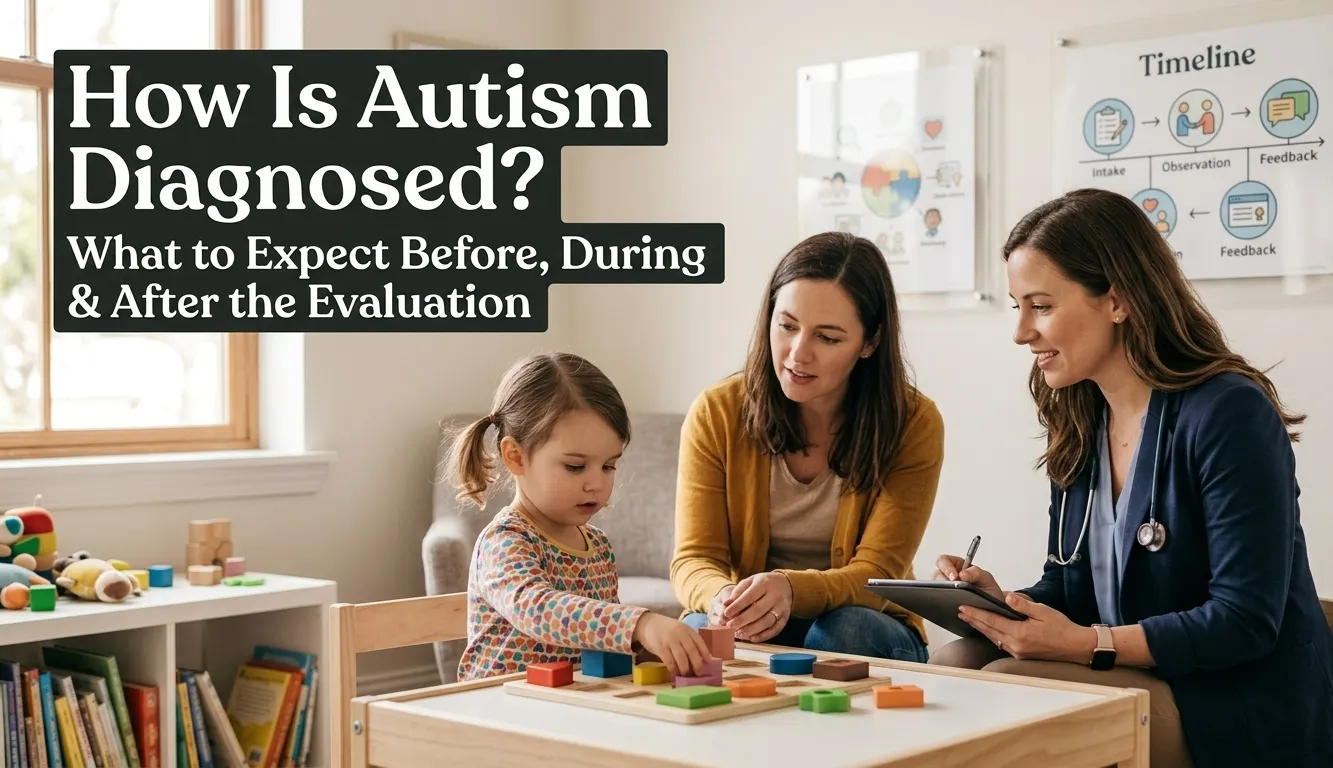
If you notice developmental differences in your child, seeking an evaluation is an important first step. Early support can provide valuable guidance for both children and families while helping create personalized plans based on individual needs.
At Best Ever ABA, families receive compassionate, individualized support designed to help children build meaningful life skills through evidence-based ABA services. By working closely with parents and caregivers, experienced professionals develop personalized strategies that encourage learning, independence, communication, and confidence in everyday situations.
Remember that every child develops differently. An autism diagnosis does not define a child's potential—it simply provides valuable information that helps families access the right resources and interventions.
Final Thoughts
The growing number of autism diagnoses reflects significant progress in awareness, healthcare, and early identification rather than a simple increase in the condition itself. As screening improves and more families recognize early developmental signs, children have greater opportunities to receive timely evaluations and individualized support.
Whether through clinical services, educational resources, or family-centered interventions, early action can make a meaningful difference. By understanding why autism diagnoses have increased and focusing on evidence-based care, families can confidently take the next steps toward supporting their child's unique growth and development.



























Sign in to leave a comment.