
Introduction
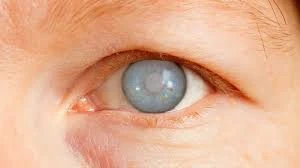
Glaucoma, a group of eye conditions that can lead to vision loss and blindness, often progresses without noticeable symptoms. Understanding its causes, symptoms, and treatment options is crucial for early detection and effective management.
What is Glaucoma?
Glaucoma is an eye disorder that damages the optic nerve, the part of the eye responsible for transmitting visual information to the brain. This damage is primarily caused by elevated intraocular pressure (IOP), which can result from the buildup of aqueous humor, the fluid that maintains eye pressure.
Types of Glaucoma
Open-Angle Glaucoma
Most common typeGradual clogging of drainage canalsLeads to slow vision lossAngle-Closure Glaucoma
Sudden blockage of drainage canalsResults in rapid vision lossMedical emergencyNormal-Tension Glaucoma
Optic nerve damage despite normal IOPSuggests other contributing factorsIf you want to contact an eye doctor in Delhi or any other Indian state for Glaucoma Treatment or any other eye treatment make sure you choose a trustworthy and well-known institution for advanced eye treatments.
Causes of Glaucoma
The precise causes of glaucoma remain unclear, but several risk factors have been identified:
Age
More common in older individualsGenetics
Family history increases riskEthnicity
Higher prevalence in African-Americans, Asians, and HispanicsHigh Eye Pressure
Major risk factor, especially in open-angle glaucomaOther Medical Conditions
Diabetes, heart disease, high blood pressureSymptoms of Glaucoma
In the early stages, glaucoma is often asymptomatic. However, as the condition progresses, symptoms may include:
Peripheral Vision Loss
Gradual reduction in peripheral visionTunnel Vision
Advanced stages lead to tunnel-like visionEye Pain and Headaches
Occur during acute angle-closure glaucomaBlurred Vision
Especially in angle-closure glaucomaDiagnosis and Treatment
Early detection is vital for effective treatment. Regular eye exams, including tonometry (eye pressure measurement) and optic nerve evaluations, can aid in diagnosis. Treatment options include:
Medication
Eye drops to reduce IOPOral medications in some casesLaser Therapy
Improves drainage in open-angle glaucomaUsed as initial treatment or alongside medicationSurgery
Trabeculectomy: Creates new drainage channelDrainage Implants: Redirects fluid flowLifestyle Management
While medical interventions are essential, certain lifestyle changes can help manage glaucoma:
Regular Exercise
Improves blood flow to the eyesHealthy Diet
Antioxidant-rich foods beneficialStress Management
Elevated stress can worsen symptomsConclusion
Glaucoma is a serious eye condition that can lead to vision impairment and blindness if left untreated. Early detection, regular eye check-ups, and a combination of medical treatments and lifestyle adjustments are crucial for managing the disease effectively
Read Also: Laser Treatment For Cataract





























Sign in to leave a comment.