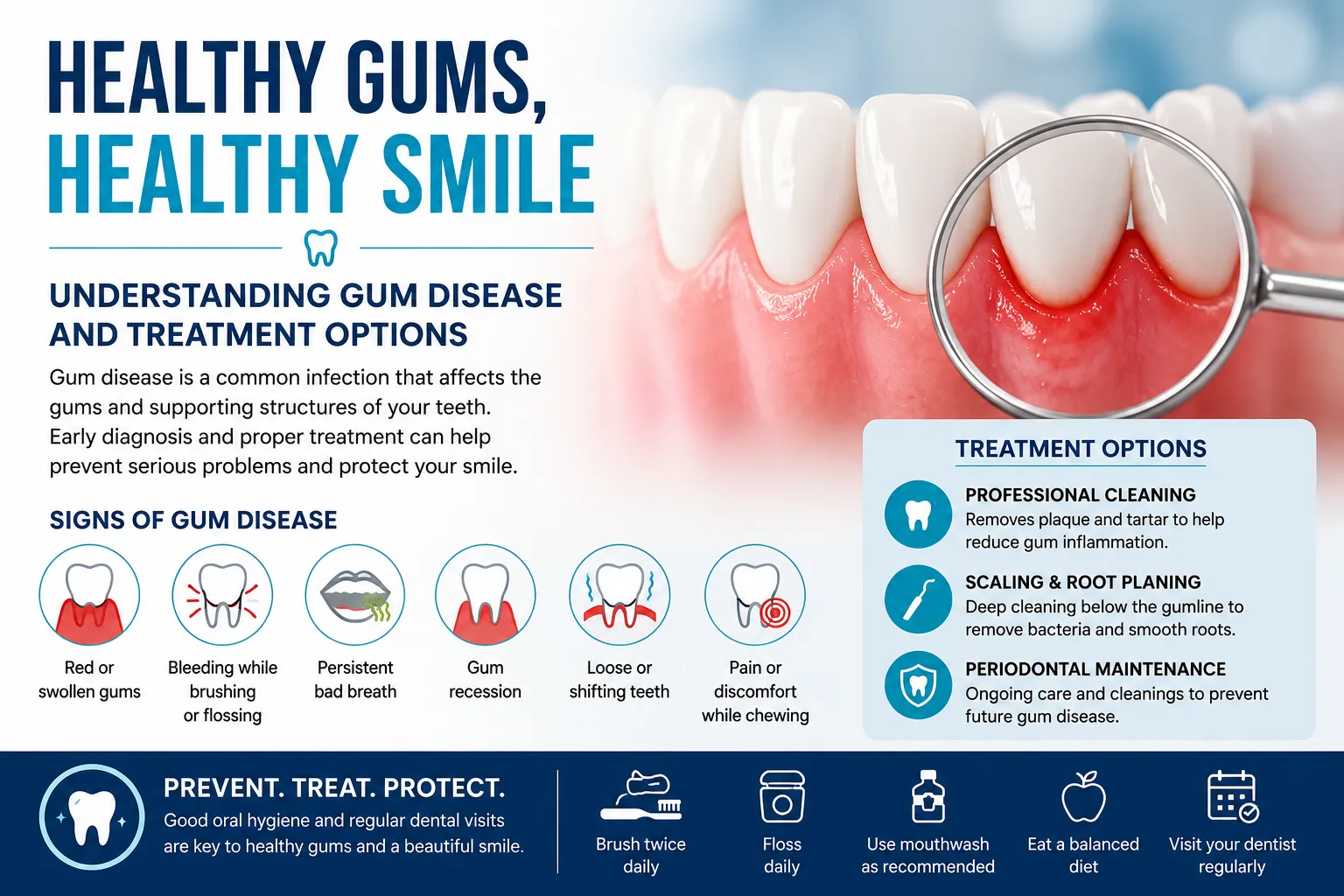

Gum disease is one of the most common oral health conditions affecting adults, yet many people don't recognize the early warning signs until the condition has progressed. Healthy gums play a vital role in supporting your teeth, and when they become infected, it can lead to discomfort, bad breath, gum recession, and even tooth loss if left untreated. The good news is that early diagnosis and professional care can effectively manage gum disease and help restore your oral health.
If you're looking for gum disease treatment in Miramar, FL, it's important to understand how the condition develops and why seeking treatment as soon as symptoms appear can make a significant difference in protecting your smile.
What Is Gum Disease?
Gum disease, also known as periodontal disease, is an infection of the tissues that surround and support your teeth. It usually begins when plaque, a sticky film of bacteria, builds up along the gumline. Without proper brushing, flossing, and regular dental cleanings, plaque hardens into tartar, creating an environment where bacteria can thrive and cause inflammation.
The earliest stage of gum disease is called gingivitis. At this stage, treatment is generally straightforward, and the damage can often be reversed with professional dental care and improved oral hygiene. However, if left untreated, gingivitis can progress into periodontitis, a more advanced condition that may permanently damage the gums and the bone supporting your teeth.
Common Signs and Symptoms
Recognizing the symptoms early allows you to seek treatment before the condition worsens. Some of the most common signs include:
- Red, swollen, or tender gums.
- Bleeding while brushing or flossing.
- Persistent bad breath.
- Gum recession that makes teeth appear longer.
- Loose or shifting teeth.
- Pain or discomfort while chewing.
- Increased tooth sensitivity.
- Pus around the gumline in more advanced cases.
Even mild symptoms should not be ignored, as early intervention often results in simpler and more effective treatment.
What Causes Gum Disease?
Several factors can contribute to the development of gum disease. While plaque buildup is the primary cause, other lifestyle and health factors may increase your risk.
These include:
- Poor oral hygiene habits.
- Smoking or tobacco use.
- Diabetes.
- Hormonal changes.
- Certain medications that reduce saliva production.
- Family history of periodontal disease.
- Poor nutrition.
- Chronic stress.
- Irregular dental checkups.
Understanding these risk factors can help you make informed decisions about protecting your oral health.
Available Treatment Options
The appropriate treatment depends on the severity of the infection and the condition of your gums.
Professional Dental Cleaning
For early-stage gum disease, a professional dental cleaning may be enough to remove plaque and tartar, reducing inflammation and allowing the gums to heal.
Scaling and Root Planing
When bacteria have spread below the gumline, dentists often recommend scaling and root planing. This deep-cleaning procedure removes plaque and tartar from beneath the gums while smoothing the tooth roots, making it more difficult for bacteria to accumulate again.
Periodontal Maintenance
Patients who have previously been treated for gum disease may benefit from ongoing periodontal maintenance appointments. These specialized cleanings help prevent the disease from returning and allow the dentist to monitor gum health regularly.
Advanced Periodontal Care
In more severe cases, additional periodontal procedures may be necessary to manage the infection, restore damaged gum tissue, and preserve the supporting structures around the teeth.
How to Prevent Gum Disease
Maintaining healthy gums is much easier than treating advanced periodontal disease. Simple daily habits can significantly reduce your risk.
Some of the best preventive practices include:
- Brush your teeth twice every day using fluoride toothpaste.
- Floss daily to remove plaque between teeth.
- Use an antibacterial mouthwash if recommended by your dentist.
- Eat a balanced diet rich in vitamins and minerals.
- Avoid smoking and tobacco products.
- Drink plenty of water throughout the day.
- Schedule routine dental examinations and professional cleanings every six months.
Consistent oral hygiene and preventive care are the foundation of long-term gum health.
Why Early Treatment Matters
Delaying treatment allows bacteria to spread deeper below the gumline, increasing the risk of permanent damage to the gums and jawbone. Early diagnosis not only helps preserve your natural teeth but can also reduce the need for more extensive dental procedures in the future.
If you're considering gum disease treatment in Miramar, FL, choosing a dental provider that offers comprehensive periodontal evaluations and personalized treatment plans can help ensure the best possible outcome. A professional assessment allows your dentist to identify the stage of gum disease, recommend the most appropriate treatment, and provide guidance on maintaining healthy gums for years to come.
Healthy gums are the foundation of a healthy smile. By recognizing the early warning signs, practicing good oral hygiene, and seeking professional dental care when needed, you can protect your teeth, improve your overall oral health, and enjoy a confident smile for years to come.

























Sign in to leave a comment.