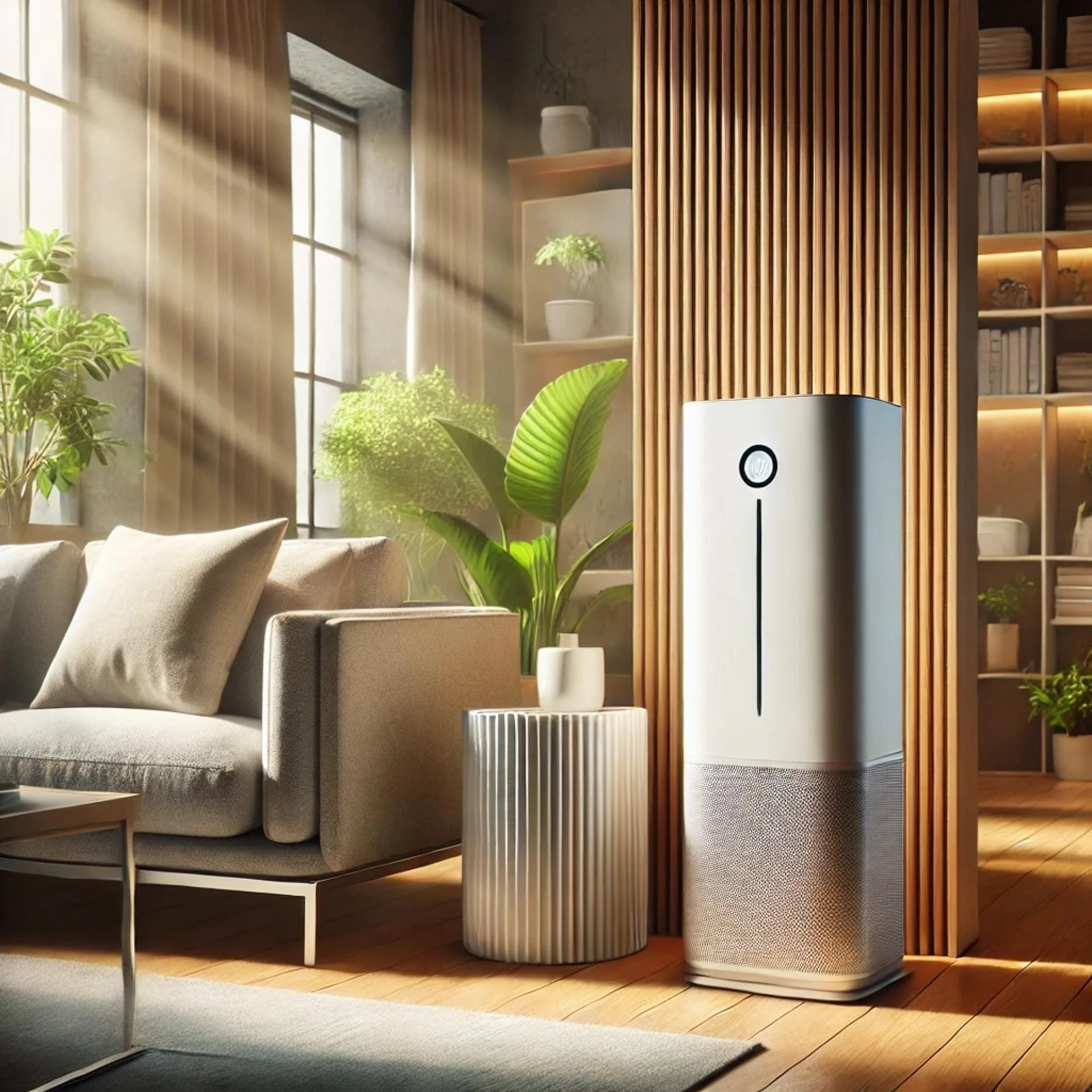

Smoke can be one of the most difficult indoor air pollutants to manage. Whether it comes from wildfires, cigarettes, cooking, or fireplaces, smoke consists of a complex mix of gases, volatile compounds, and fine particles — many of which are harmful to human health. For those dealing with recurring exposure, understanding how air purification systems function becomes essential.
This article breaks down how an air purifier for smoke works, the technologies involved, and what to expect when using one to improve indoor air quality.
Why Smoke Particles Are Especially Harmful
- Tiny Size: Smoke contains ultra-fine particles (PM2.5 and smaller), which are small enough to penetrate deep into the lungs and even enter the bloodstream.
- Chemical Composition: In addition to ash and soot, smoke may contain formaldehyde, carbon monoxide, benzene, and other hazardous substances depending on its source.
- Lingering Presence: Smoke doesn’t simply disappear after it dissipates. It clings to surfaces, settles in soft furnishings, and can continue to affect air quality hours or days later.
Because of these factors, it takes more than just opening a window or turning on a fan to eliminate smoke from indoor spaces effectively.
The Basics of Air Purification
- Purpose: Air purifiers are designed to capture airborne particles and improve the overall quality of indoor air.
- Main Components: Most purifiers consist of a fan and a series of filters that trap particles as air passes through them.
- Types of Pollutants Targeted: Depending on the system, purifiers can target particulate matter (like dust and smoke), volatile organic compounds (VOCs), pet dander, pollen, and odors.
Not all air purifiers are equally effective against smoke. The key lies in the technology used within the device.
HEPA Filters: The First Line of Defense
- High Efficiency Particulate Air (HEPA) filters are the gold standard for removing solid particles.
- These filters can capture 99.97% of particles as small as 0.3 microns, including many components found in smoke.
- While they do an excellent job at capturing ash, soot, and fine particulate matter, they don’t neutralize gases or odors on their own.
Using a HEPA filter-based air purifier for smoke is an effective way to handle visible and invisible solid particles, but additional filtration is often needed for complete smoke removal.
Activated Carbon Filters for Odors and Gases
- Activated carbon, often used alongside HEPA filters, excels at removing smoke-related gases and smells.
- This filter works through adsorption, a process where chemical pollutants stick to the surface of the carbon.
- Effective against VOCs and compounds like benzene or formaldehyde, activated carbon is essential when dealing with wildfire smoke or tobacco odor.
For comprehensive smoke purification, it’s ideal to use a dual-filter system combining HEPA and activated carbon technologies.
Air Ionizers and Electrostatic Filters
- Ionizers release negatively charged ions into the air, which attach to smoke particles and cause them to clump together and fall from the air.
- Some purifiers use electrostatic precipitators, which attract particles to oppositely charged plates inside the unit.
- While these methods can remove some airborne particles, they’re generally less effective than HEPA and carbon filters for smoke.
- One concern with ionizers is that some models produce ozone — a lung irritant that can be harmful in enclosed spaces.
Consumers should verify whether an ionizer emits ozone and use such devices with caution, especially around sensitive individuals.
UV-C Light Technology
- UV-C light is used in some purifiers to kill bacteria and viruses, but it is not effective at removing smoke particles or gases.
- When combined with other filtration methods, UV-C can be a helpful secondary feature, but it should not be the primary strategy for smoke mitigation.
If you're selecting an air purifier for smoke, prioritize particulate and gas filtration before looking at sterilization features.
CADR Ratings and Smoke Removal Efficiency
- Clean Air Delivery Rate (CADR) measures how effectively an air purifier removes specific pollutants — including smoke — from the air.
- A higher smoke CADR means the device can clean a room faster and more thoroughly.
- When evaluating a purifier, look for CADR values specific to smoke, not just dust or pollen.
Choosing a purifier with a CADR that matches your room size ensures optimal performance against airborne smoke.
Room Size and Air Changes Per Hour
- Air Changes Per Hour (ACH) indicates how many times a purifier can filter the air in a given space within an hour.
- Smoke particles require frequent air cycling due to their small size and persistence.
- For smoke-affected areas, aim for a purifier with at least 4 ACH, especially in rooms where exposure is consistent or long-term.
Underpowered purifiers may circulate air inefficiently, allowing smoke particles to linger.
Placement and Usage Tips
- Location Matters: Place the purifier in areas where smoke exposure is highest — such as near windows, entryways, or smoking zones.
- Keep Doors and Windows Closed while the purifier is in use to prevent outdoor smoke from diluting the cleaned air.
- Continuous Operation: In situations involving ongoing smoke (like wildfire season), running the purifier continuously is often more effective than occasional use.
- Filter Maintenance: Replace or clean filters according to manufacturer recommendations to maintain efficiency.
Proper usage can greatly increase the impact of an air purifier on indoor smoke levels.
What Air Purifiers Can and Can’t Do
- Can Reduce Airborne Particles and Odors: When equipped with HEPA and carbon filters, air purifiers can significantly lower the concentration of smoke indoors.
- Cannot Eliminate Surface Residue: Smoke particles that settle into carpets, upholstery, or drapes may require separate cleaning efforts.
- Do Not Prevent New Smoke From Entering: For best results, combine purification with source control — such as sealing gaps or avoiding indoor smoking.
Air purifiers are a key part of an overall smoke mitigation strategy, but they should not be viewed as a standalone solution.
Choosing the Right Purifier for Your Needs
- Consider the type of smoke exposure you’re dealing with (tobacco, wildfire, cooking) when selecting a model.
- Look for devices with specific filtration features for both particles and gases.
- Use third-party certifications (like AHAM Verified) to confirm performance claims.
Not every air cleaner is suitable as an air purifier for smoke, so product details should be reviewed carefully before making a purchase.
Air purification systems are increasingly essential in a world where smoke exposure — from wildfires, pollution, and other sources — is becoming more frequent. Understanding how these systems work, especially in the context of smoke particles, helps homeowners and renters make informed decisions for their health and comfort.
For those seeking help with device performance, repairs, or filter replacement guidance, the Air Purifier Repair Center offers specialized services for a wide range of purifier brands and models, supporting cleaner indoor air across diverse living and working environments.























Sign in to leave a comment.