

India is one of the fastest growing major economies in the world. Its progress is supported by a strong domestic market, diverse industries, and continuous government reforms. To fully understand how the country sustains long term growth, it is important to look closely at the india economic structure and how different sectors contribute to national development.
What Is India’s Economic Structure?
India follows a mixed economy model where both the public and private sectors play an important role. The economic structure is broadly divided into three major sectors, agriculture, industry, and services. Over the years, the contribution of services has increased significantly, making it the backbone of the Indian economy today.
The structural shift from agriculture to services reflects rising urbanisation, technological advancement, and increased consumer demand. This transition has helped India integrate more deeply with the global economy while maintaining strong domestic consumption.
Sector Wise Contribution to the Indian Economy
Agriculture Sector
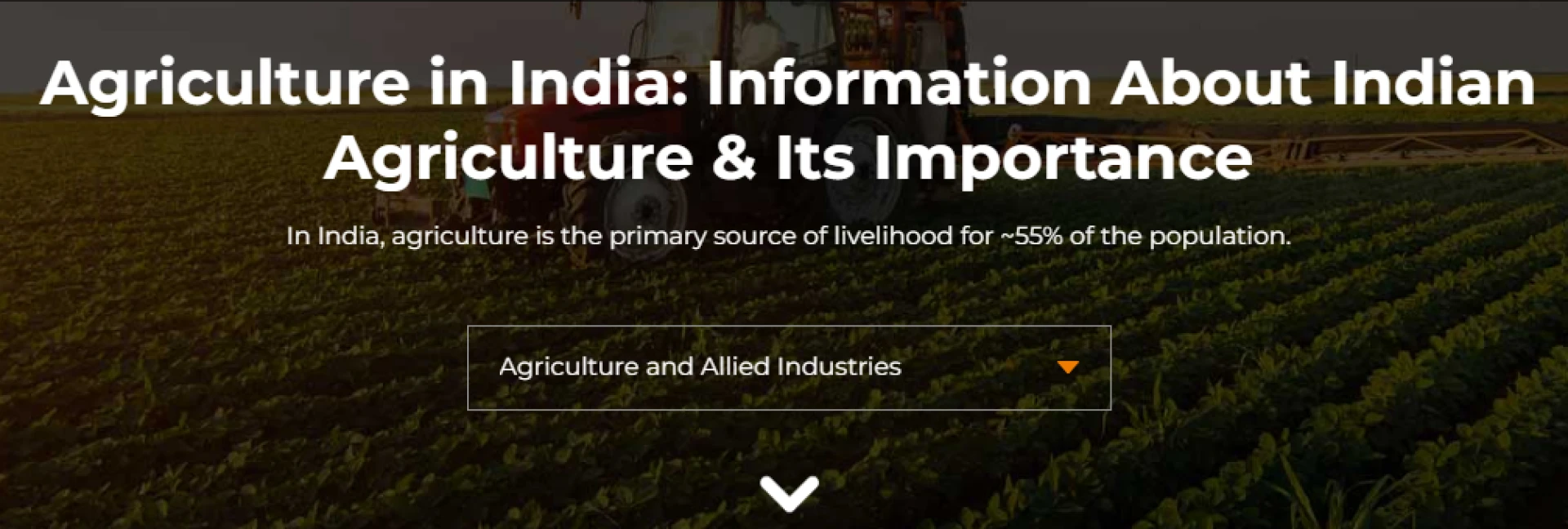
Agriculture remains a vital part of India’s economic foundation, employing a large portion of the population. It supports food security and rural livelihoods while contributing steadily to GDP. Government initiatives related to irrigation, minimum support prices, and rural infrastructure have strengthened agricultural productivity and farmer income.
Industrial Sector
The industrial sector includes manufacturing, construction, mining, and utilities. Programmes such as Make in India and Production Linked Incentive schemes have encouraged domestic manufacturing and foreign investment. Growth in sectors like electronics, automobiles, chemicals, and renewable energy has improved India’s industrial output and export potential.
Services Sector
The services sector is the largest contributor to India’s GDP. It includes IT and software services, telecommunications, finance, healthcare, tourism, and logistics. India’s global leadership in IT services and business process outsourcing continues to attract international clients and investments. Rising digital adoption and financial inclusion have further accelerated services led growth.
Key Drivers Supporting India’s Economic Growth
Several structural and policy level factors support India’s economic momentum.
Strong domestic consumption is a major driver, backed by a young population and expanding middle class. Increased disposable income boosts demand across housing, retail, transport, and digital services.
Government reforms focused on ease of doing business, infrastructure development, and digital governance have improved efficiency and investor confidence. Large scale infrastructure projects in roads, ports, railways, and renewable energy are creating long term economic value.
Foreign direct investment inflows remain strong due to India’s stable policy environment, market size, and skilled workforce. India continues to be a preferred destination for global companies looking to diversify supply chains.
Recent Developments in the Indian Economy
Recent years have seen rapid growth in digital infrastructure, manufacturing capacity, and financial systems. The expansion of digital payments, GST implementation, and direct benefit transfers has increased transparency and formalisation.
India has also focused on sustainability and green growth. Investments in solar energy, electric mobility, and climate focused policies are shaping the next phase of economic development.
Exports across engineering goods, pharmaceuticals, chemicals, and services have strengthened India’s position in global trade. At the same time, domestic startups and innovation driven enterprises are contributing to job creation and productivity.
Government Initiatives Strengthening the Economic Structure
Several government initiatives have played a key role in strengthening India’s economic framework. Digital India has improved access to services and governance. Skill India focuses on workforce readiness and employment generation.
Atmanirbhar Bharat aims to boost self reliance by encouraging domestic production and reducing import dependence. Financial inclusion initiatives have expanded banking access, credit availability, and insurance coverage across urban and rural regions.
These measures together enhance resilience and long term sustainability within the india economic structure.
Road Ahead for the Indian Economy
India’s future economic outlook remains positive. Continued investment in infrastructure, manufacturing, and technology will drive productivity and competitiveness. Demographic advantages, rising innovation, and policy continuity position India as a major global growth engine.
Challenges such as inflation management, global economic uncertainty, and employment generation require careful policy balancing. However, India’s diversified economic structure provides stability and adaptability in changing global conditions.
Conclusion
India’s economic success is rooted in a balanced sectoral mix, strong domestic demand, and forward looking reforms. Understanding the india economic structure helps businesses, investors, and policymakers assess growth opportunities and long term potential. With sustained reforms and strategic investments, India is well positioned to achieve inclusive and resilient economic growth in the years ahead.



























Sign in to leave a comment.