
Islam, a religion followed by over 1.8 billion people worldwide. In this article, we'll delve into the fundamental beliefs, practices, and principles that define Islam. By the end, you'll have a clear understanding of this beautiful faith.
What is Islam?
Islam, derived from the Arabic word "salam," meaning peace, is a monotheistic Abrahamic religion founded in the 7th century CE by Prophet Muhammad in the Arabian Peninsula. Muslims, the followers of Islam, believe in one God (Allah) and consider Prophet Muhammad as His last and final messenger.
Key Beliefs in Islam
a) Monotheism (Tawhid): The core belief in Islam is the absolute oneness of God. Muslims believe that Allah is the only deity and has no partners or equals.b) Prophets (Risalah): Muslims acknowledge various prophets, including Adam, Abraham, Moses, and Jesus, considering Muhammad as the final prophet who received the Quran, the holy book of Islam.
c) The Quran: The Quran is considered the literal word of God as revealed to Prophet Muhammad. It serves as the primary source of guidance for Muslims in all aspects of life.
d) Day of Judgment (Akhirah): Muslims believe in life after death, where individuals are held accountable for their actions in this world.
Five Pillars of Islam
The Five Pillars represent the foundation of a Muslim's life:
a) Shahada (Faith): The declaration of faith, bearing witness that there is no god but Allah and Muhammad is His messenger.
b) Salah (Prayer): Muslims are required to perform five daily prayers at prescribed times.
c) Zakat (Charity): The giving of a portion of one's wealth to those in need, emphasizing community support and social equality.
d) Sawm (Fasting during Ramadan): Fasting from dawn to sunset during the holy month of Ramadan, promoting self-discipline, spirituality, and empathy for the less fortunate.
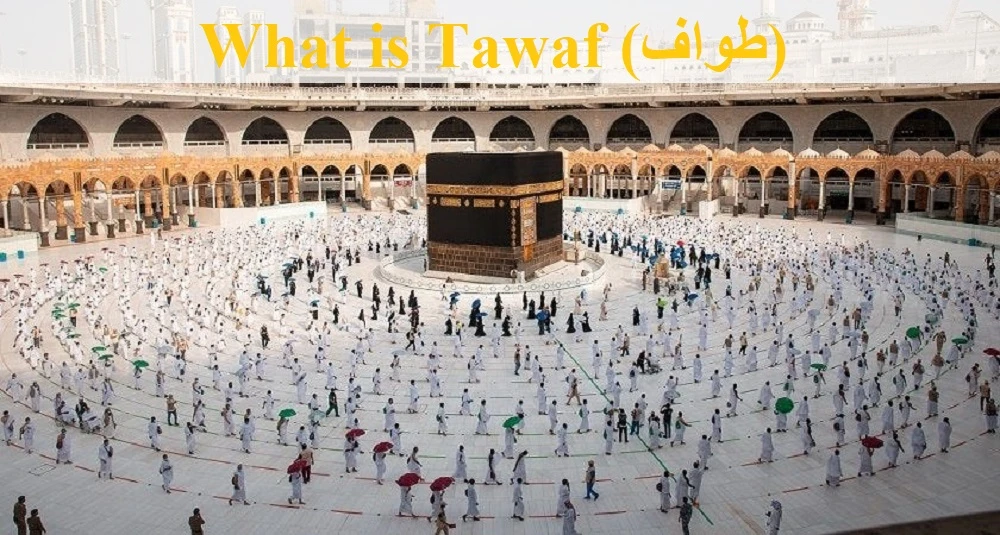
e) Hajj (Pilgrimage to Mecca): An obligatory pilgrimage to Mecca that Muslims who are physically and financially capable must undertake at least once in their lifetime.
Common Misconceptions About Islam
a) Islam and Terrorism: Islam is a religion of peace, and terrorism goes against its teachings. Most Muslims condemn terrorism and extremism.b) Women's Rights: Islam promotes the rights and dignity of women, contrary to common misconceptions. Islam grants women various rights in family, society, and personal life.
Conclusion:
Islam is a religion deeply rooted in faith, community, and worship. By understanding its fundamental beliefs and practices, we can foster tolerance, respect, and a more inclusive society. Remember, always seek accurate and credible information to better understand any religion, including Islam.






















Sign in to leave a comment.