
Islamic secondary schools play a vital role in the educational landscape for Muslim communities around the world. These institutions aim to provide a comprehensive education that balances academic excellence with spiritual and moral development. In this blog, we'll explore various aspects of Islamic secondary schools, including their history, curriculum, benefits, challenges, and the future of these institutions.
1. Historical Background of Islamic Education
Islamic education has a rich history dating back to the early days of Islam. The first educational institutions were mosques where scholars taught students the Quran, Hadith (sayings of the Prophet Muhammad), and other Islamic sciences. Over time, madrasas (Islamic schools) were established, offering a more structured approach to education. These madrasas evolved to include various subjects, blending religious and secular education, which laid the foundation for contemporary Islamic secondary schools.
2. The Curriculum of Islamic Secondary Schools
The curriculum in Islamic secondary schools is designed to provide a holistic education. It typically includes:
a. Religious Studies
Religious studies form the core of the curriculum, covering subjects such as Quranic studies, Hadith, Fiqh (Islamic jurisprudence), and Seerah (biography of the Prophet Muhammad). These subjects aim to instill a deep understanding of Islamic teachings and values.
b. Secular Education
Alongside religious studies, Islamic secondary schools offer a full range of secular subjects, including mathematics, science, languages, social studies, and arts. This dual approach ensures students receive a well-rounded education that prepares them for higher education and future careers.
c. Moral and Ethical Education
Islamic secondary schools place a strong emphasis on moral and ethical education, teaching students values such as honesty, respect, responsibility, and empathy. This aspect of the curriculum aims to develop students' character and prepare them to be responsible, ethical citizens.
3. Benefits of Islamic Secondary Schools
There are several benefits to attending an Islamic secondary school, including:
a. Faith-Based Environment
Islamic secondary schools provide a faith-based environment where students can practice their religion freely and comfortably. This environment fosters a sense of belonging and community among students.
b. Balanced Education
The dual curriculum offers a balanced education, ensuring students are well-versed in both religious and secular knowledge. This balance helps students excel academically while maintaining their religious identity.
c. Character Development
Emphasis on moral and ethical education helps in character development, guiding students to become compassionate, responsible, and ethical individuals.
d. Cultural Understanding
Islamic secondary schools often celebrate Islamic culture and heritage, helping students develop a strong sense of identity and pride in their cultural background.
4. Challenges Faced by Islamic Secondary Schools
Despite their benefits, Islamic secondary schools face several challenges:
a. Integration with National Curriculum
Integrating religious studies with the national curriculum can be challenging, as it requires balancing the demands of both.
b. Funding and Resources
Many Islamic secondary schools struggle with limited funding and resources, which can impact the quality of education and facilities.
c. Perception and Stereotypes
Islamic secondary schools often face misconceptions and stereotypes, which can affect their reputation and the enrollment of students.
d. Teacher Training
Finding qualified teachers who can teach both religious and secular subjects effectively can be difficult, impacting the overall quality of education.
5. The Role of Teachers in Islamic Secondary Schools
Teachers play a crucial role in Islamic secondary schools. They are not only educators but also role models who inspire and guide students. Effective teachers in these schools are well-versed in both Islamic and secular subjects and are committed to fostering a positive learning environment. Continuous professional development and training are essential to ensure teachers can meet the diverse needs of their students.
6. Parental Involvement in Islamic Secondary Schools
Parental involvement is a key factor in the success of students in Islamic secondary schools. Schools often encourage parents to participate in various activities, including:
a. School Events
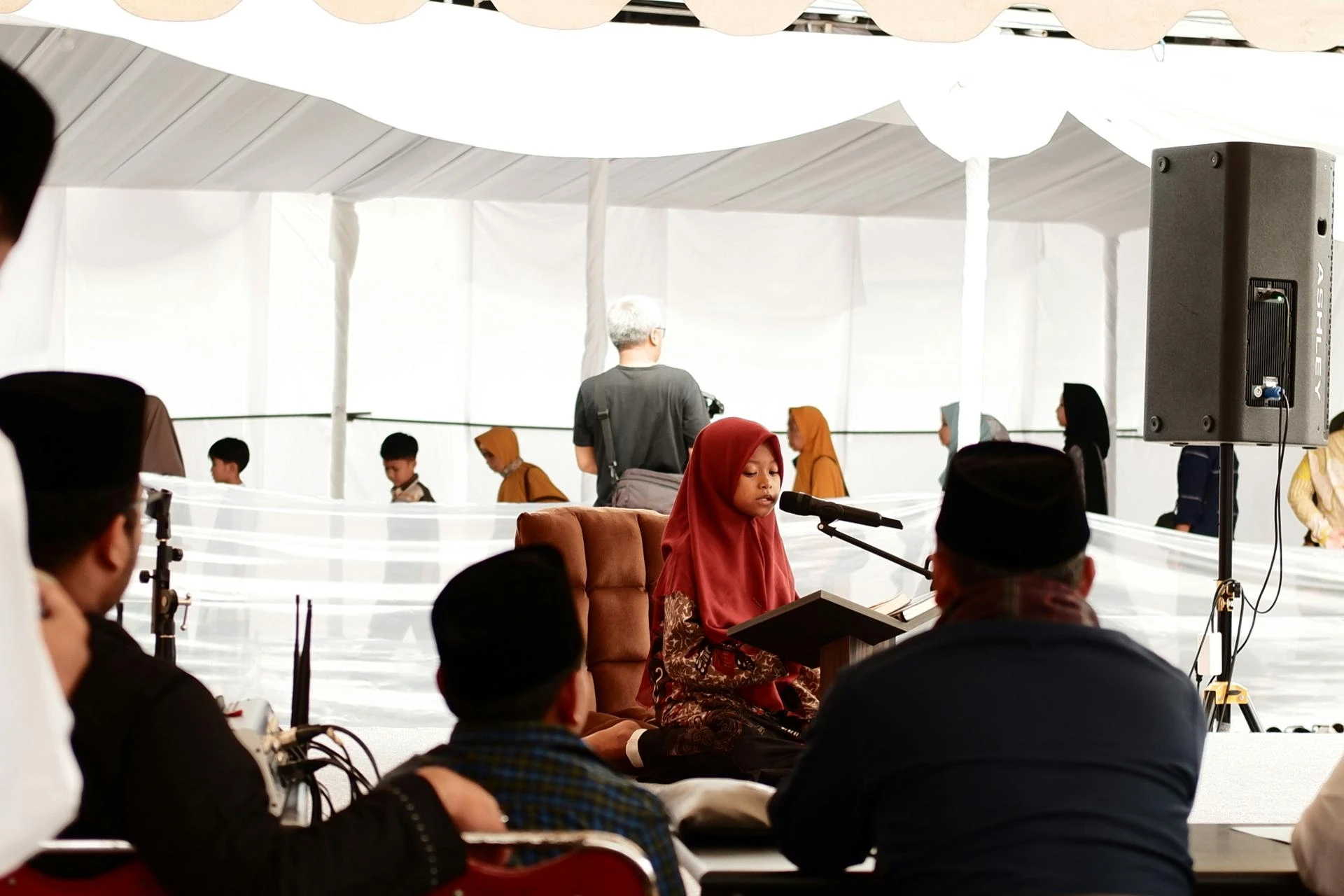
Parents are invited to attend school events such as Quran recitations, cultural celebrations, and academic presentations, fostering a sense of community.
b. Parent-Teacher Associations
Active parent-teacher associations (PTAs) help bridge the gap between home and school, allowing parents to have a say in their children's education.
c. Volunteer Opportunities
Parents are encouraged to volunteer for various school activities, contributing their time and skills to enhance the school environment.
7. Extracurricular Activities in Islamic Secondary Schools
Extracurricular activities play a significant role in the overall development of students in Islamic secondary schools. These activities include:
a. Sports
Sports programs help students stay physically active, develop teamwork skills, and build self-discipline.
b. Arts and Culture
Art, music, and cultural programs allow students to express their creativity and celebrate their heritage.
c. Community Service
Community service projects teach students the importance of giving back and making a positive impact in their communities.
d. Clubs and Societies
Various clubs and societies, such as debate clubs, science clubs, and Quranic recitation clubs, provide students with opportunities to pursue their interests and develop new skills.
8. The Future of Islamic Secondary Schools
The future of Islamic secondary schools looks promising, with several trends shaping their development:
a. Technological Integration
Incorporating technology into the classroom is becoming increasingly important. Islamic secondary schools are adopting digital tools and resources to enhance learning and prepare students for the digital age.
b. Global Collaboration
Islamic secondary schools are increasingly collaborating with other educational institutions worldwide, sharing resources, best practices, and cultural exchange programs.
c. Inclusive Education
There is a growing emphasis on inclusive education, ensuring that Islamic secondary schools cater to the diverse needs of all students, including those with special educational needs.
d. Sustainable Practices
Many Islamic secondary schools are adopting sustainable practices, teaching students the importance of environmental stewardship and sustainable living.
Conclusion
Islamic secondary schools play a crucial role in providing a balanced education that nurtures both the academic and spiritual development of students. They offer a unique environment where students can thrive academically while maintaining their religious and cultural identity. Despite the challenges they face, these schools continue to evolve and adapt, preparing students for successful futures. By fostering a strong sense of community, moral values, and academic excellence, Islamic secondary schools are empowering the next generation of leaders and contributing positively to society.





















Sign in to leave a comment.