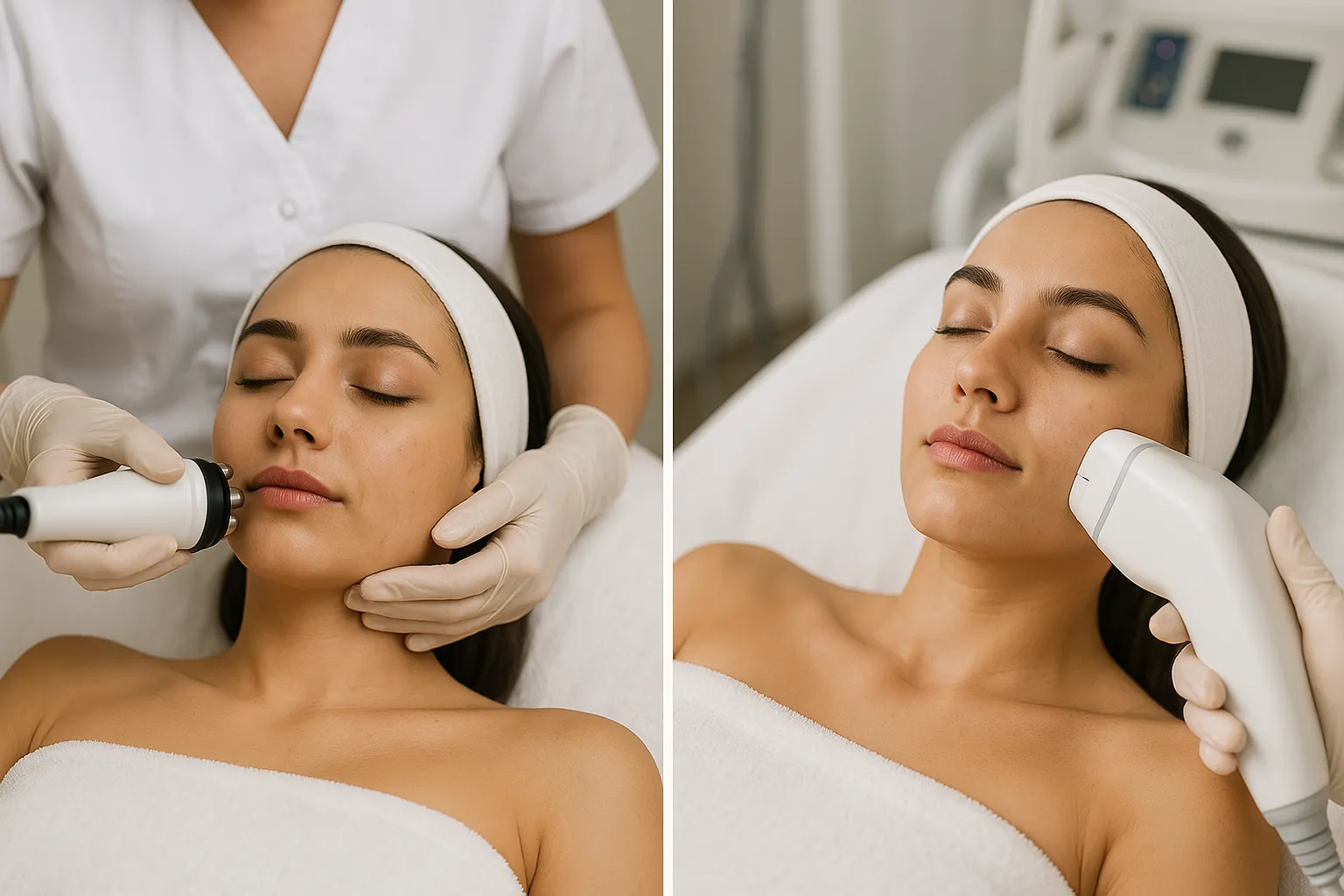

Non-surgical aesthetic procedures have evolved significantly, offering structured, predictable options for facial rejuvenation without the necessity of surgical incisions. Among the advanced clinical options available today, laser face contouring stands out as a targeted method designed to firm tissue, refine facial angles, and restore youthful skin architecture.
At Rania Aesthetic Studio, treatments are structured around clinical evaluation, anatomical understanding, and personalized treatment parameters to achieve natural, balanced outcomes.
What Is Laser Face Contouring?
Laser face contouring is an energy-based cosmetic procedure that utilizes controlled thermal energy to remodel subdermal tissue, stimulate neocollagenesis (new collagen synthesis), and tighten skin laxity. Unlike traditional surgical procedures such as a facelift or surgical neck lift, this treatment operates non-invasively or minimally invasively to address concerns like sagging jowls, undefined jawlines, mild submental fullness, and superficial facial creases.
The underlying mechanism relies on delivering concentrated light energy to precise depths within the dermal and subdermal layers. This controlled thermal exposure induces immediate contraction of existing collagen fibers while initiating a long-term biological wound-healing response that generates fresh collagen and elastin over several months.
Clinical Assessment and Treatment Planning
A successful laser contouring session begins with a comprehensive consultation and facial assessment. Practitioners evaluate several clinical markers before establishing a protocol:
- Skin phototype and epidermal integrity to select safe wavelength settings
- Degree of dermal laxity and structural volume distribution
- Target zones requiring definition, such as the mandibular line, zygomatic arches, or submental region
- Medical history, prior cosmetic treatments, and baseline skin sensitivities
Patients seeking comprehensive facial rejuvenation often evaluate energy-based options alongside injectables. Depending on specific tissue requirements, receiving a targeted laser treatment in Sugarland allows practitioners to focus directly on thermal skin contraction and localized contour improvements.
Step-by-Step Breakdown: How the Procedure Is Performed
1. Skin Preparation and Cleansing
The skin surface is thoroughly cleansed with medical-grade antiseptic solutions to remove sebum, cosmetics, and environmental residues. High-resolution baseline imagery is captured to document structural contours.
2. Topical Anesthetic Application
To maintain comfort throughout the session, a topical numbing formulation containing lidocaine or a compounded anesthetic blend is applied to the treatment zones. This remains on the skin for 20 to 45 minutes prior to energy delivery.
3. Eye Protection and Safety Calibration
Both the practitioner and patient are equipped with wavelength-specific protective eyewear. The laser device is calibrated based on the predetermined parameters, matching the fluence, pulse duration, and spot size to the patient's tissue density.
4. Controlled Energy Delivery
The clinician glides or pulses the laser handpiece across the targeted anatomical planes. Many modern systems incorporate integrated contact cooling mechanisms to safeguard the epidermis while heating deeper structural tissue. As energy penetrates the dermis, patients typically feel a sensation of warmth or intermittent snapping.
5. Multi-Modality Considerations
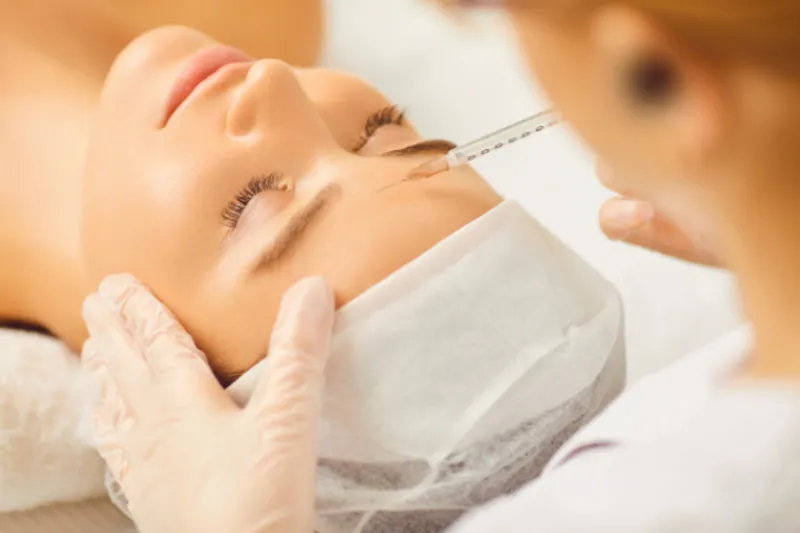
In cases where structural volume loss accompanies skin laxity, combination strategies may be planned over distinct appointments. Incorporating a complementary dermal filler laser teatment in Sugarland approach can help address deeper skeletal or fat pad deflation while laser energy refines superficial envelope tightness.
6. Post-Treatment Soothing
Once the laser passes are completed, calming serums containing hyaluronic acid, peptides, or cooling hydrogel masks are applied to reduce transient erythema (redness) and mild thermal edema (swelling).
Post-Procedure Recovery and Tissue Remodeling
Laser face contouring requires minimal downtime, allowing most patients to resume standard daily routines quickly. The biological response unfolds across distinct phases:
- Initial 24 to 48 Hours: Mild redness and swelling similar to a light sunburn are typical. Patients apply soothing, non-comedogenic moisturizers and mineral broad-spectrum sunscreen.
- Weeks 1 to 4: Early tissue tightening occurs as acute collagen contraction stabilizes. Skin texture and surface tone show visible refinement.
- Months 2 to 6: Long-term collagen remodeling accelerates. The structural matrix within the dermis thickens, leading to firmer skin, defined mandibular borders, and improved facial harmony.
Safety, E-E-A-T Standards, and Practitioner Expertise
Achieving optimal results with energy-based devices requires deep anatomical knowledge and device proficiency. Incorrect energy calibration or improper technique can lead to thermal injury, post-inflammatory hyperpigmentation, or uneven tissue response.
At Rania Aesthetic Studio, client safety and high aesthetic standards are upheld through rigorous evaluation protocols, FDA-cleared technology, and clear guidance on pre- and post-treatment care. An in-person consultation remains the critical first step to determine whether laser face contouring aligns with individual anatomical goals.




















Sign in to leave a comment.