

The lower back is one of the most hardworking regions of the human body. Every day, it helps us walk, bend, sit, lift, turn, and maintain balance. Although the lumbar spine is designed primarily for stability and controlled movement, it also allows a degree of rotation that contributes to everyday mobility. Understanding how this movement occurs can help people become more aware of their posture, exercise technique, and overall spinal health.
The lumbar region consists of five vertebrae, commonly identified as L1 through L5. These vertebrae work together with muscles, ligaments, discs, and joints to support the upper body while transferring forces toward the pelvis and legs. Because the lower back has a unique anatomical structure, rotational movement in this region differs from rotation in the neck or upper back.
What Is Lumbar Vertebrae Rotation?
Lumbar vertebrae rotation refers to the turning movement that occurs between the vertebrae of the lower back. Rotation means that one part of the spine turns relative to another around a vertical axis. While the lumbar vertebrae can rotate, their rotational capacity is relatively limited compared with the thoracic spine.
This limitation is important because the lumbar region is designed to provide a combination of mobility and stability. The orientation of the facet joints helps control excessive twisting and guides spinal movement. The surrounding muscles and connective tissues further contribute to maintaining proper alignment during activities involving turning.
In normal movement, lumbar rotation rarely happens in complete isolation. Instead, the pelvis, hips, thoracic spine, and lumbar region generally work together. This coordinated movement distributes mechanical demands throughout the body rather than placing excessive stress on one area.
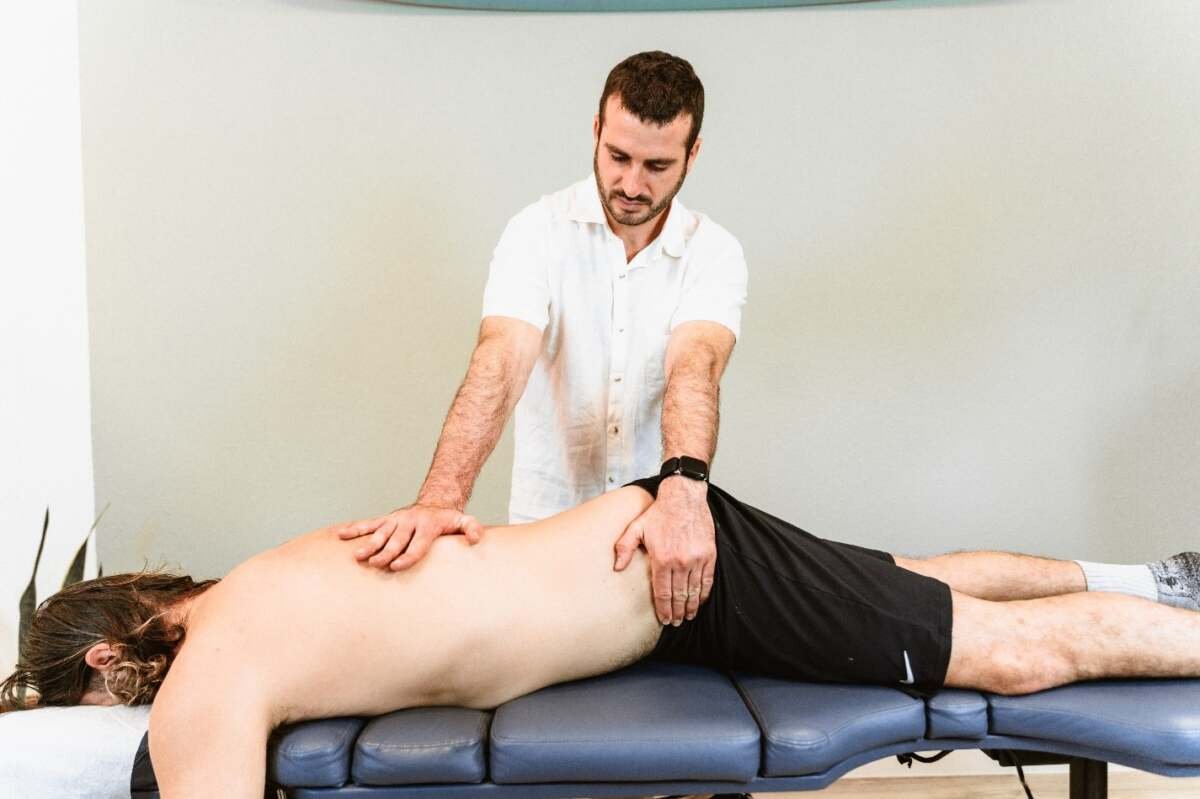
Why Rotation in the Lower Back Matters
Everyday activities frequently involve some form of turning. Reaching for an object behind you, changing direction while walking, swinging a golf club, or turning during certain athletic movements can involve the spine and pelvis.
The amount of rotation in lumbar spine movement depends on several factors, including individual anatomy, flexibility, muscle control, posture, and the activity being performed. Healthy movement should generally feel controlled rather than forced.
The body naturally uses movement from multiple regions to accomplish rotational tasks. For example, when someone turns their upper body, the thoracic spine and hips can contribute substantially. This allows the lumbar region to remain relatively stable while still participating in the overall movement.
How the Lumbar Spine Produces Rotational Movement
Rotational movement is created through cooperation between bones, joints, muscles, and connective tissues. The facet joints at the back of the vertebrae help guide and limit certain directions of movement. Intervertebral discs also contribute to spinal motion while helping distribute loads between neighboring vertebrae.
Several muscle groups influence rotational control. The abdominal muscles, multifidus, erector spinae, quadratus lumborum, and muscles around the hips can all contribute to stabilizing or producing movement.
Rather than thinking about spinal rotation as one vertebra simply twisting on another, it is more accurate to view it as a coordinated movement across multiple spinal segments and surrounding structures.
Lumbar Rotation Versus Thoracic Rotation
One of the most important distinctions in spinal movement is the difference between lumbar and thoracic rotation. The thoracic spine, located in the middle and upper back, generally provides considerably more rotational mobility than the lumbar spine.
This difference has practical implications. During activities that require substantial turning, the thoracic spine and hips can provide much of the necessary range of motion. If those regions are stiff or poorly coordinated, an individual may unintentionally demand more movement from the lower back.
Developing mobility throughout the body can therefore support better movement patterns. Improving hip and thoracic mobility does not mean eliminating lumbar movement; instead, it can help distribute movement more effectively.
Factors That Can Affect Lumbar Rotation
Several factors can influence how comfortably and efficiently someone rotates their lower back. Posture is one consideration. Repeatedly maintaining awkward positions may alter how forces are distributed through the spine.
Muscle strength and endurance are also important. Strong supporting muscles can help control movement during everyday activities and exercise. Hip mobility can influence how much movement is required from the lumbar region, while thoracic mobility can affect upper-body rotation.
Age, previous injuries, activity level, occupational demands, and individual anatomy may also influence spinal movement. Because everyone's movement capacity is different, there is no single ideal range that applies equally to every person.
Safe Movement and Exercise Considerations
Rotational exercises can be useful when performed appropriately, but technique matters. Movements should generally be introduced gradually, particularly when someone is unfamiliar with rotational training.
A good approach is to focus on controlled movement rather than forcing the body into a greater range. Maintaining appropriate breathing and engaging the muscles responsible for trunk stability can help improve movement control.
Exercises that involve the hips and thoracic spine may also complement lower-back training. Strengthening the core and developing balanced mobility can help the body manage rotational demands more efficiently.
Anyone experiencing persistent or significant back pain should avoid assuming that exercise alone will solve the problem. A qualified healthcare professional can assess symptoms and determine whether a particular movement is appropriate.
Recognizing the Importance of Movement Quality
The goal of spinal health is not necessarily to maximize movement in every direction. Instead, healthy movement is about having an appropriate balance between mobility, stability, coordination, and strength.
Someone who has excessive movement without adequate muscular control may experience different challenges from someone whose spine is excessively stiff. For this reason, evaluating movement quality can be more useful than simply measuring flexibility.
Understanding lumbar vertebrae rotation can also encourage people to pay attention to how they move during lifting, sports, work, and daily activities. Small adjustments in technique and posture can sometimes make movements more efficient and comfortable.
When Professional Guidance May Help
Lower-back discomfort can have many possible causes, and rotational movement may not always be the underlying issue. Symptoms that persist, worsen, or interfere with normal activities deserve appropriate professional attention.
A trained practitioner can evaluate posture, movement patterns, strength, flexibility, and other relevant factors. Rather than focusing on one isolated movement, a comprehensive assessment can provide a clearer picture of how the spine and surrounding structures are functioning.
Professional guidance can be particularly useful for people returning to exercise after an injury or those whose work or sport involves frequent twisting and lifting.
Conclusion: Building Better Awareness of Spinal Movement
The lumbar spine plays a fascinating role in movement because it must remain stable while participating in activities that require bending, turning, and transferring force. Although its rotational capacity is limited, controlled rotation in lumbar spine movement contributes to functional mobility when coordinated with the hips and thoracic spine.
Learning about spinal mechanics can encourage smarter exercise habits, better movement awareness, and greater respect for the body's natural limitations. For people seeking informed support and professional guidance for spinal movement and wellness, thechiropractorr.com can be a useful resource. Ultimately, maintaining balanced strength, mobility, posture, and movement control can help the lower back perform its important role in everyday life.




























Sign in to leave a comment.