

Muscle knots can feel like small, stubborn areas of tension that refuse to relax. They may develop after strenuous exercise, prolonged sitting, repetitive movements, poor posture, stress, or inadequate recovery. Although the sensation is often described as a “knot,” the muscle is not literally tied into a knot. Instead, a localized area of muscle may become tense and sensitive, creating discomfort that can affect nearby tissues.
Common locations include the neck, shoulders, upper back, lower back, hips, and legs. Some knots disappear after rest, while others continue to cause stiffness and restricted movement. Understanding the possible triggers is an important first step toward managing recurring discomfort.
Recognizing the Signs of Tight, Knotted Muscles
Muscle knots can produce more than a single tender spot. You might notice aching, stiffness, reduced flexibility, or discomfort when moving the affected area. In some cases, pressing the tense region may produce pain that seems to spread to another nearby area.
For people wondering about treatment for muscle knots, it is helpful to consider the bigger picture rather than focusing exclusively on the painful spot. Daily posture, activity levels, sleeping habits, hydration, exercise technique, and recovery routines can all influence muscular tension.
Persistent or severe pain should not automatically be assumed to be a simple muscle knot. If discomfort follows an injury, becomes progressively worse, or occurs with concerning symptoms such as weakness, numbness, or significant swelling, professional evaluation may be appropriate.
Gentle Movement Can Encourage Muscle Relaxation
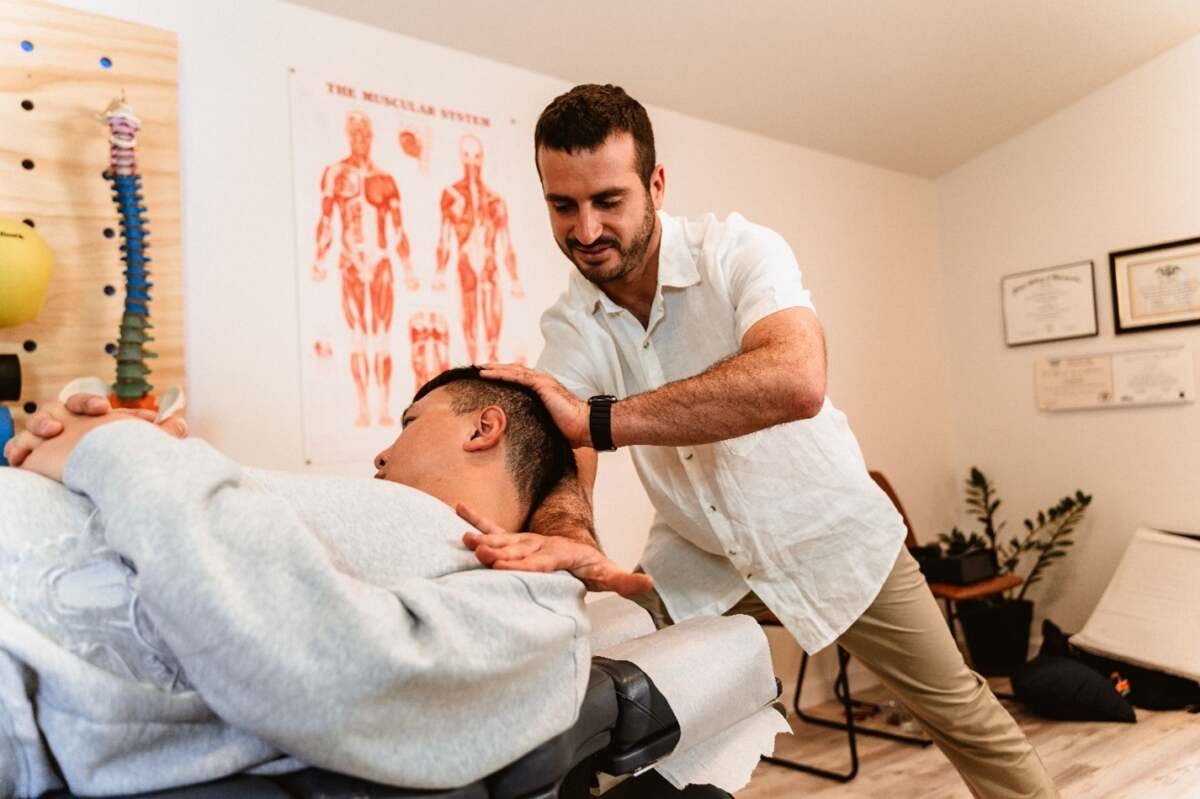
One of the simplest ways to address everyday muscular tightness is through comfortable movement. Remaining completely still for long periods may allow stiffness to become more noticeable. Gentle walking, controlled mobility exercises, and light range-of-motion movements can help keep the body active without placing excessive stress on sensitive tissues.
The key is to avoid forcing a painful stretch. A useful movement should feel controlled and manageable rather than sharp or aggressive. Gradually increasing activity can also help the body adapt when muscle tension is related to prolonged inactivity.
How Stretching Can Support Flexible Muscles
Stretching can be a useful part of a routine designed to improve mobility. Gentle stretches held within a comfortable range may help address areas that feel restricted, particularly when tightness is connected to repetitive postures or limited movement.
This is where chiropractic stretching may become part of a broader approach to mobility. Depending on an individual's needs, a qualified professional may recommend specific stretches designed around posture, movement limitations, and areas of muscular tension. Rather than applying the same routine to everyone, an individualized approach can focus on movements that are appropriate for the person's condition and goals.
Stretching should generally be gradual and controlled. Bouncing aggressively or pushing through significant pain can irritate already sensitive tissues.
Heat, Massage, and Self-Care Techniques
Simple self-care techniques may also help temporarily ease muscular tightness. Applying a comfortably warm compress to a tense area can feel soothing and may make gentle movement easier afterward. Some people also find massage helpful for relaxing areas that feel stiff or tender.
A massage ball or foam roller can be used carefully to apply moderate pressure to larger muscle groups. However, more pressure is not necessarily better. Spending too long pressing directly on a highly sensitive area may increase irritation rather than improve comfort.
Combining gentle heat, movement, and appropriate stretching can create a practical recovery routine for everyday muscle tension.
Posture and Daily Habits Matter Too
A muscle knot may keep returning when the underlying habits that contribute to tension remain unchanged. Someone who spends several hours at a desk, for example, may develop recurring tightness around the shoulders and upper back. Similarly, repetitive lifting or poor exercise mechanics can place additional strain on particular muscle groups.
Small adjustments can make a meaningful difference. Take regular movement breaks, adjust your workstation when possible, avoid remaining in one position for excessive periods, and pay attention to how your body responds during exercise.
Sleep is another important consideration. A comfortable sleeping position and adequate recovery time can support the body's ability to cope with everyday physical demands.
When Professional Guidance May Be Helpful
Occasional muscle tightness is common, but recurring knots deserve closer attention. If a particular area repeatedly becomes painful despite reasonable self-care, professional guidance may help identify contributing movement or musculoskeletal factors.
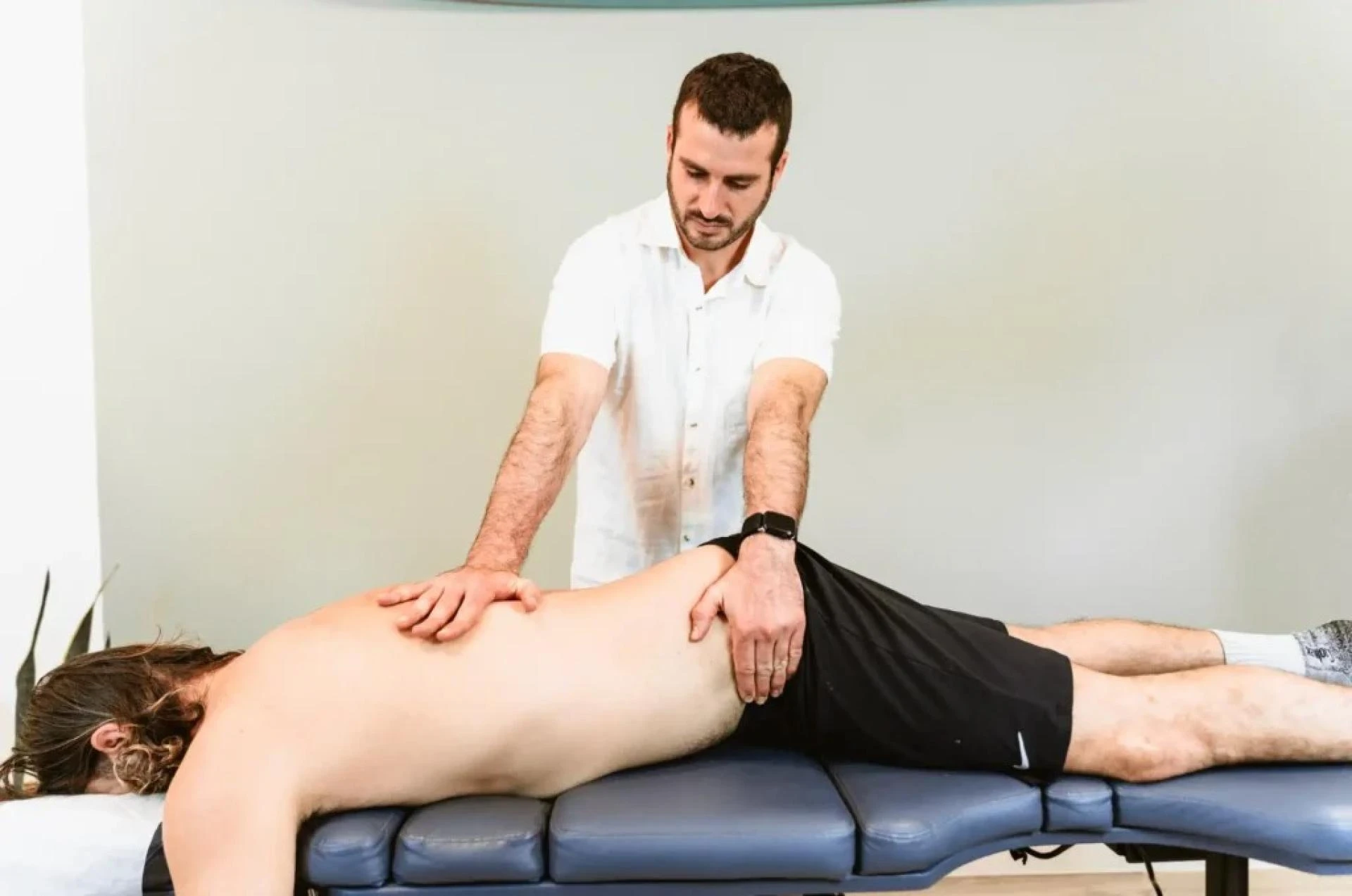
A qualified healthcare professional can assess symptoms, movement patterns, and relevant history before recommending an appropriate approach. Depending on the situation, care may include mobility exercises, stretching, manual techniques, strengthening strategies, or modifications to daily activities.
The goal should not simply be to make a tender spot feel better temporarily. A more complete approach considers why the tension keeps returning and how movement habits can be improved over time.
Building a Routine for Long-Term Muscle Comfort
Preventing recurring muscle knots often begins with consistency rather than an occasional intense treatment. Regular movement, appropriate strength training, gentle flexibility work, proper recovery, and sensible activity progression can all contribute to healthier movement patterns.
If you exercise frequently, increase training volume gradually instead of making sudden changes. If you work at a desk, incorporate brief movement breaks throughout the day. If certain stretches consistently feel uncomfortable, consider modifying them rather than forcing greater range.
Listening to your body is particularly important. Mild muscular effort can be normal, but persistent or escalating pain deserves attention rather than being ignored.
Conclusion
Muscle knots can interfere with comfort, mobility, exercise, and everyday activities, but they do not always require an aggressive solution. Gentle movement, sensible stretching, heat, massage, posture improvements, and adequate recovery can all play useful roles in managing everyday muscular tension. When symptoms persist or repeatedly return, individualized professional guidance may provide a clearer path forward.
For people seeking a thoughtful approach to movement and muscular comfort, thechiropractorr.com can be a resource to explore when considering chiropractic care and personalized strategies for managing musculoskeletal concerns.




























Sign in to leave a comment.