
In today’s complex healthcare landscape, ensuring that medical practitioners are properly credentialed is critical for patient safety, regulatory compliance, and financial efficiency. Medical credentialing services play a pivotal role in streamlining this process, helping healthcare providers focus on delivering quality care while maintaining operational compliance. For medical practices of all sizes, understanding the value of credentialing is essential to sustaining both patient trust and revenue growth.
What Is Medical Credentialing?
Medical credentialing is the formal process by which healthcare providers are verified and approved to deliver medical services. This verification involves assessing the qualifications, licensure, education, training, and professional experience of physicians, nurses, and other clinical staff. By completing this process, medical practices ensure that their providers meet all regulatory standards and adhere to industry best practices.
Medical credentialing services, offered by specialized organizations, handle the complex administrative tasks involved in this process. From collecting provider documents to verifying them with primary sources, these services minimize errors and accelerate approval timelines. This is especially important in an era where healthcare providers must navigate multiple insurance networks, regulatory requirements, and state-specific mandates.
Credentialing is not only a compliance requirement but also a cornerstone of practice credibility. Without proper credentialing, providers risk delayed reimbursements, denied insurance claims, and potential legal exposure. By leveraging professional medical credentialing services, healthcare organizations can reduce administrative burdens while ensuring their staff meets rigorous standards.
Key Steps in the Credentialing Process
The medical credentialing process is comprehensive and involves several critical steps. Understanding these steps helps healthcare organizations appreciate the value of professional services in maintaining operational efficiency.
1. Document Collection
The first step in credentialing involves gathering all necessary documents from the healthcare provider. This includes medical licenses, board certifications, educational transcripts, work history, malpractice insurance, and references. Collecting accurate and complete documentation is essential to avoid delays in approval.
2. Primary Source Verification
Once documents are collected, credentialing professionals verify the information directly with primary sources. For instance, medical schools, licensing boards, and previous employers are contacted to confirm credentials and work history. This step is vital for ensuring accuracy and integrity in the verification process.
3. Background Checks
Medical credentialing services also perform thorough background checks, which include reviewing any disciplinary actions, malpractice claims, or criminal records. This step safeguards patients and healthcare organizations by ensuring providers meet ethical and professional standards.
4. Insurance and Network Enrollment
Credentialing extends beyond verifying qualifications. Providers must also be enrolled in insurance networks to secure reimbursements for services rendered. Professional services handle applications to multiple payers, reducing delays in claim processing and ensuring timely revenue collection.
5. Ongoing Recredentialing
Credentialing is not a one-time process. Providers must undergo periodic recredentialing to maintain compliance with insurance and regulatory requirements. Medical credentialing services monitor renewal dates, track documentation updates, and manage re-verification to ensure uninterrupted practice operations.
Benefits for Healthcare Providers
Investing in medical credentialing services offers numerous advantages for healthcare organizations. These benefits go beyond compliance and contribute directly to operational efficiency, financial stability, and patient trust.
Streamlined Administrative Work
Credentialing involves detailed paperwork, communication with multiple organizations, and strict adherence to timelines. Outsourcing this process to professional services frees internal staff to focus on patient care rather than administrative burdens.
Faster Network Access
Efficient credentialing ensures that providers are approved to join insurance networks promptly. Faster network access allows practices to begin billing for services immediately, enhancing cash flow and minimizing revenue delays.
Reduced Risk of Denials
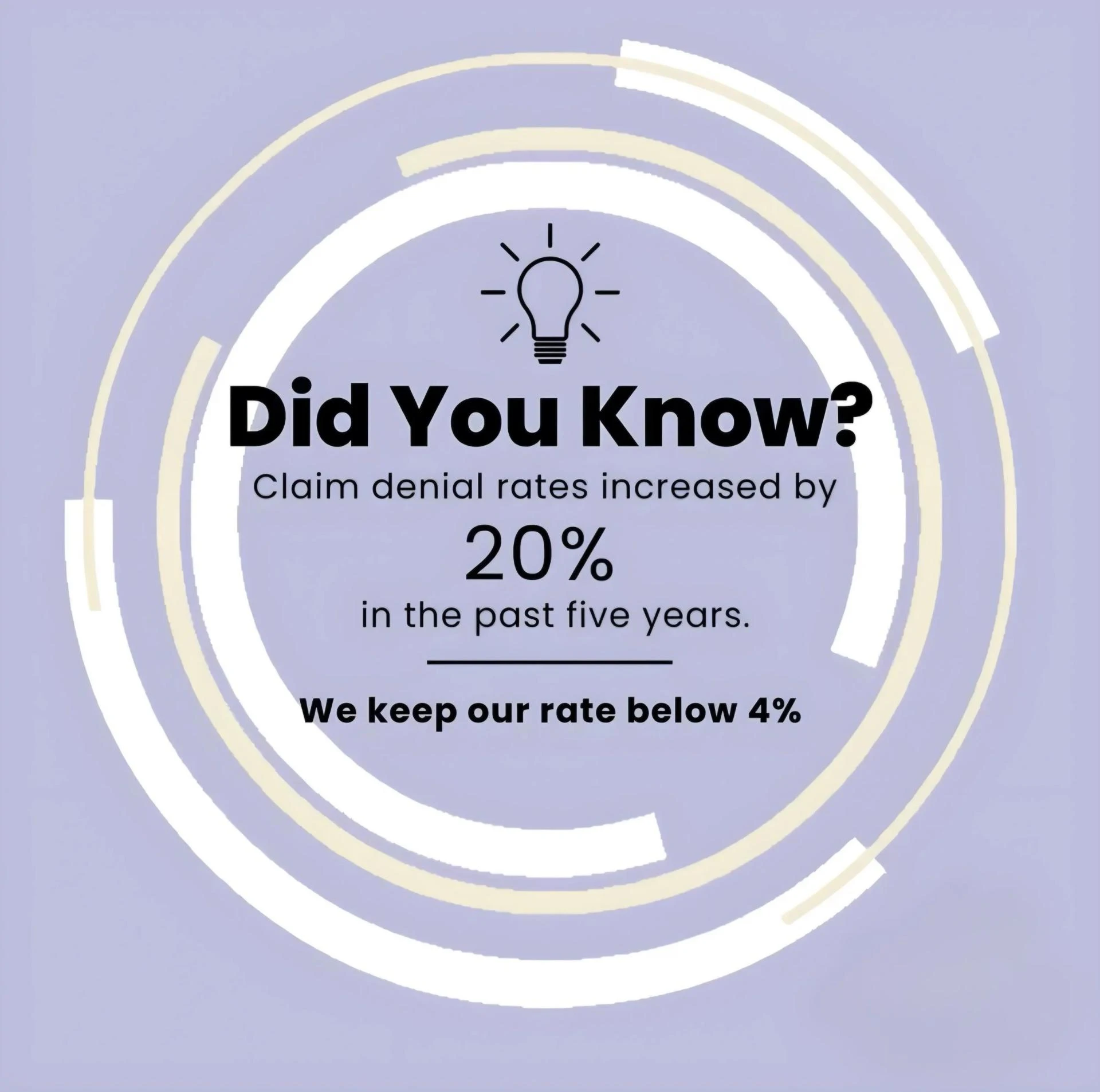
Inaccurate or incomplete credentialing information can lead to claim denials, delayed payments, or even network termination. Medical credentialing services help ensure that all documentation is complete and verified, reducing the likelihood of denials and improving financial performance.
Compliance Assurance
Healthcare regulations are constantly evolving, and staying up-to-date is crucial. Credentialing services monitor changes in federal and state requirements, ensuring that providers remain compliant with all licensure, insurance, and regulatory standards.
Improved Patient Confidence
Patients trust healthcare providers who are properly credentialed and verified. By ensuring all providers meet industry standards, medical credentialing services help practices build credibility and maintain strong patient relationships.
Conclusion: How Credentialing Ensures Compliance and Improves Practice Efficiency
Medical credentialing services are an indispensable component of modern healthcare operations. They ensure that providers are qualified, compliant, and properly enrolled in insurance networks, which safeguards both patient safety and revenue streams. For medical practices, credentialing services streamline administrative tasks, reduce delays in reimbursements, and minimize the risk of claim denials.
By investing in professional credentialing support, healthcare organizations can focus on delivering high-quality patient care without the constant worry of regulatory lapses or administrative errors. From document collection to ongoing recredentialing, these services provide comprehensive solutions that enhance operational efficiency, compliance, and trust.
Ultimately, medical credentialing services are not just a regulatory necessity—they are a strategic tool that empowers healthcare providers to grow their practices, improve patient outcomes, and maintain financial stability. In today’s competitive and highly regulated healthcare environment, partnering with expert credentialing services is a proactive step toward long-term success.





























Sign in to leave a comment.