

Melasma is a common skin condition that leads to dark patches, usually on the face. It can affect individuals of all skin types and is often triggered by sun exposure, hormonal changes, or genetic predisposition. For those seeking effective solutions, melasma treatment Leeds offers various advanced options to help reduce pigmentation and restore an even skin tone.
What is Melasma?
Melasma is a form of hyperpigmentation that primarily affects the face, appearing on areas such as the forehead, cheeks, nose, and upper lip. It occurs due to an overproduction of melanin, the pigment responsible for skin color. While not harmful, melasma can be a persistent and frustrating condition, often exacerbated by external and internal factors.
Causes of Melasma
Understanding the underlying causes of melasma is crucial for determining the best treatment approach. Some of the most common triggers include:
1. Sun Exposure
Ultraviolet (UV) radiation stimulates melanocytes, the pigment-producing cells in the skin, leading to increased melanin production. Prolonged sun exposure can cause melasma to worsen and make it more challenging to treat.
2. Hormonal Changes
Hormonal fluctuations, particularly those related to pregnancy, oral contraceptives, or hormone replacement therapy, can contribute to melasma development. This is why the condition is sometimes referred to as "the mask of pregnancy."
3. Genetics
A family history of melasma increases the likelihood of developing the condition. Those with darker skin tones are also more prone to melasma due to having more active melanocytes.
4. Skincare Products
Certain skincare products containing harsh chemicals or allergens can irritate the skin and trigger melasma. It is essential to use gentle, non-comedogenic products that do not exacerbate pigmentation.
Treatment Options for Melasma in Leeds
Thankfully, multiple treatment options are available to help manage melasma and reduce hyperpigmentation. The choice of treatment depends on individual skin type, severity of the condition, and underlying causes.
1. Topical Treatments
One of the first lines of treatment for melasma includes topical creams that help lighten dark patches. These treatments typically contain ingredients such as:
- Hydroquinone: A skin-lightening agent that reduces melanin production.
- Retinoids: Help accelerate skin cell turnover and improve overall skin tone.
- Vitamin C: An antioxidant that brightens the skin and reduces pigmentation.
- Azelaic Acid: Reduces pigment production and has anti-inflammatory properties.
2. Chemical Peels
Chemical peels are effective in exfoliating the outer layer of skin, promoting cell regeneration, and reducing the appearance of melasma. Mild to moderate chemical peels containing glycolic acid, salicylic acid, or lactic acid can help lighten pigmentation over time.
3. Laser Treatments
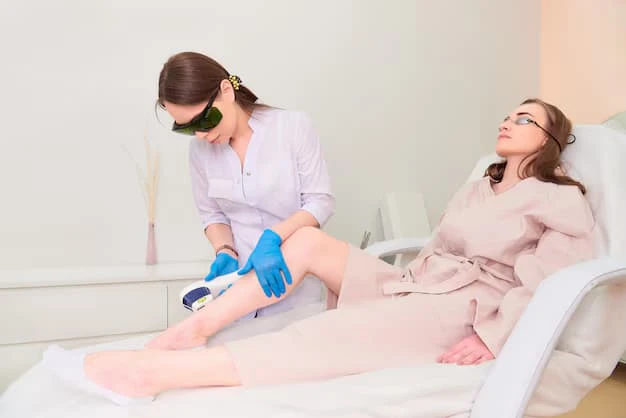
Laser therapy is an advanced approach that targets excess melanin in the skin. Low-energy lasers help break down pigmentation, allowing the body to eliminate it naturally. Fractional laser treatments and intense pulsed light (IPL) therapy are commonly used to improve melasma and even out skin tone.
4. Microneedling with PRP
Microneedling combined with platelet-rich plasma (PRP) therapy can help rejuvenate the skin and reduce hyperpigmentation. This technique stimulates collagen production and enhances the skin’s healing process, leading to a more even complexion.
5. Sun Protection & Lifestyle Changes
Preventing melasma from worsening is just as important as treating it. Consistently wearing a broad-spectrum sunscreen with SPF 50 or higher is essential. Additionally, wearing hats, avoiding prolonged sun exposure, and using antioxidant-rich skincare products can significantly improve results.
Choosing the Right Treatment in Leeds
With various treatment options available, consulting a skincare professional is key to determining the best approach. Personalized treatment plans tailored to skin type and severity of melasma can yield the most effective results.
Conclusion
For those struggling with melasma, effective treatment options are readily available. Whether through topical treatments, chemical peels, laser therapy, or microneedling, reducing pigmentation and achieving a more even complexion is possible. For professional guidance and customized treatment solutions, Este Medical Group Leeds provides expert skincare services to help individuals regain confidence in their skin. Schedule a consultation today to explore the best treatment options for melasma.



























Sign in to leave a comment.