
The National Health Service (NHS) provides essential healthcare services across the United Kingdom, including dental care. For many residents in Manchester, accessing NHS dental services is a vital aspect of maintaining oral health.
Understanding how these services work, the types of treatments available, and how to find an NHS dentist in Manchester can significantly benefit individuals looking to ensure their dental needs are met.
What Are NHS Dental Services?
NHS dental services offer a range of treatments designed to maintain oral health, prevent dental issues, and provide necessary care when problems arise. These services are typically more affordable than private dental care, making them an accessible option for many individuals and families.
NHS dental services cover various aspects of dental care, including routine check-ups, preventive treatments, restorative procedures, and emergency care. Patients are generally required to pay a fixed fee for treatments, which is often subsidised by the government, ensuring that dental care remains accessible to those in need.
Types of Treatments Available
NHS dental services encompass a wide range of treatments aimed at promoting and maintaining oral health. Some of the key services provided include:
1. Routine Check-Ups
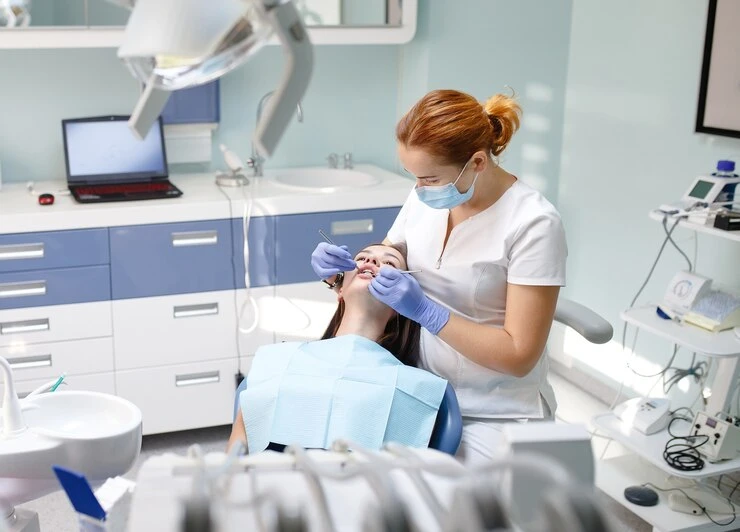
Regular dental check-ups are crucial for monitoring oral health and identifying potential issues early on. During these appointments, an NHS dentist in Manchester will perform a thorough examination of the teeth, gums, and mouth. They may also take X-rays to assess the condition of the teeth beneath the surface.
These check-ups help to identify cavities, gum disease, and other dental problems before they escalate. Patients are typically advised to visit their dentist every six months for routine check-ups, although the frequency may vary based on individual needs.
2. Preventive Treatments
Preventive care is a cornerstone of NHS dental services. Treatments such as fluoride applications and dental sealants can help protect teeth from decay, particularly in children and adolescents. Fluoride treatments strengthen tooth enamel, making it more resistant to cavities, while sealants provide a protective coating over the chewing surfaces of molars, preventing bacteria from causing decay.
3. Restorative Procedures
When dental issues arise, restorative procedures are necessary to restore the function and appearance of teeth. NHS dentists offer a variety of restorative treatments, including fillings for cavities, crowns for damaged teeth, and bridges to replace missing teeth.
In cases where a tooth is severely decayed or infected, a root canal treatment may be required to remove the infected tissue and save the tooth. The goal of these procedures is to preserve natural teeth whenever possible and restore oral health.
4. Emergency Dental Care
Dental emergencies can occur unexpectedly and may require immediate attention. NHS dental services offer emergency care for issues such as severe toothaches, broken teeth, or injuries to the mouth. Patients experiencing dental pain or trauma are encouraged to contact their local NHS dentist in Manchester as soon as possible to seek appropriate care.
Emergency appointments may be available on the same day, depending on the severity of the situation and the availability of the dental practice. Individuals need to know their options for emergency dental care to address urgent issues promptly.
Finding an NHS Dentist in Manchester
Locating an NHS dentist in Manchester is a straightforward process. The NHS website provides a comprehensive search tool to help individuals find local dental practices that offer NHS services. Patients can enter their postcode to find nearby dentists accepting NHS patients.
Individuals should consider a few factors when selecting a dental practice. These may include the location of the practice, the availability of appointments, and whether the practice has a good reputation for patient care. Reading online reviews and asking for recommendations from friends or family can also help make an informed decision.
Registration and Fees
Once individuals have identified an NHS dentist in Manchester, they will need to register with the practice. This typically involves filling out a registration form and providing personal details, including NHS number, address, and medical history.
NHS dental treatment costs are divided into three bands, with each band covering specific services:
- Band 1: This includes an examination, diagnosis, and advice on how to prevent dental problems. It may also include a scale and polish if necessary. The fee for Band 1 treatment is relatively low, making it accessible for most individuals.
- Band 2: This band covers more extensive treatments, such as fillings, extractions, and the application of fluoride. The cost is higher than Band 1 but still affordable compared to private dental care.
- Band 3: This band includes more complex procedures, such as crowns, dentures, and bridges. The fees for Band 3 treatments are the highest among the three bands but are still subsidised by the NHS.
Patients should be aware that certain groups, such as children under 18, pregnant women, and individuals receiving specific benefits, may be exempt from dental charges or eligible for reduced fees.
Maintaining Oral Health Between Visits
While accessing NHS dental services is crucial, maintaining oral health at home is equally important. Individuals are encouraged to practice good oral hygiene by brushing their teeth twice a day with fluoride toothpaste and flossing daily.
Additionally, a balanced diet low in sugary foods and beverages can help prevent dental issues. Regularly rinsing the mouth with water after consuming acidic or sugary items can also protect teeth from damage.
Educating oneself about the importance of oral health and adopting preventive measures can significantly contribute to a healthy smile, reducing the need for more complex dental treatments down the line.
The Role of Dental Hygienists
In addition to dentists, dental hygienists play a vital role in NHS dental services. Hygienists focus on preventive care, providing treatments such as scaling and polishing, as well as educating patients on effective oral hygiene practices. They work alongside dentists to ensure comprehensive care and support patients in achieving optimal oral health.
By visiting both the dentist and hygienist during NHS appointments, individuals can benefit from a thorough approach to their dental care, addressing both treatment and preventive needs.
In summary, understanding NHS dental services in Manchester enables individuals to take full advantage of the resources available for maintaining oral health. From routine check-ups and preventive treatments to emergency care, the NHS provides a comprehensive range of services designed to support dental health. By finding a local NHS dentist in Manchester and prioritising regular visits, individuals can ensure their smiles remain healthy and vibrant.
Share


























Sign in to leave a comment.