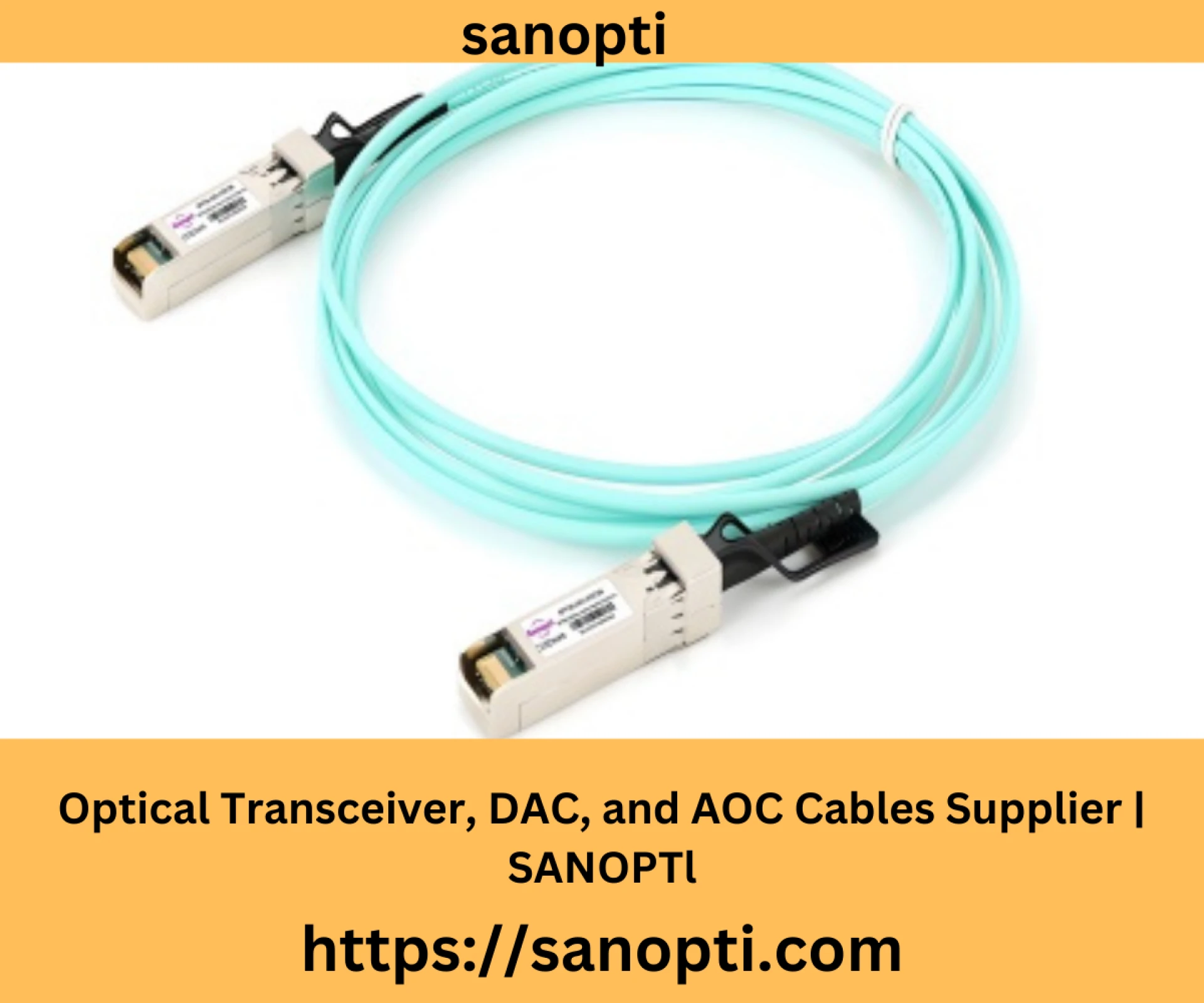

Optical transceivers are critical components in modern optical communication systems, playing a pivotal role in ensuring efficient and high-speed data transmission. This comprehensive guide will delve into the functionality, types, and benefits of optical transceivers, providing a detailed overview of their significance in contemporary networking.
1. What is an Optical Transceiver?
An optical transceiver is a device that combines the functions of both a transmitter and a receiver into a single module. It converts electrical signals into optical signals and vice versa. This bidirectional capability allows for the seamless transmission of data over fiber optic cables. Optical transceivers are essential for high-speed communication and are widely used in various networking applications.
2. Key Functions of Optical Transceivers
a. Signal Conversion: One of the primary functions of an optical transceiver is to convert electrical signals from a network device into optical signals that can be transmitted over fiber optic cables. Conversely, it also converts incoming optical signals back into electrical signals for processing by the network device.
b. Data Transmission: Optical transceivers enable the transmission of data at high speeds across long distances with minimal signal loss. This capability is crucial for maintaining the integrity and speed of data communication in modern networks.
c. Wavelength Division Multiplexing (WDM): Many optical transceivers support Wavelength Division Multiplexing, a technology that allows multiple signals to be transmitted simultaneously over a single fiber optic cable by using different wavelengths (or channels). This significantly increases the bandwidth and efficiency of the network.
3. Types of Optical Transceivers
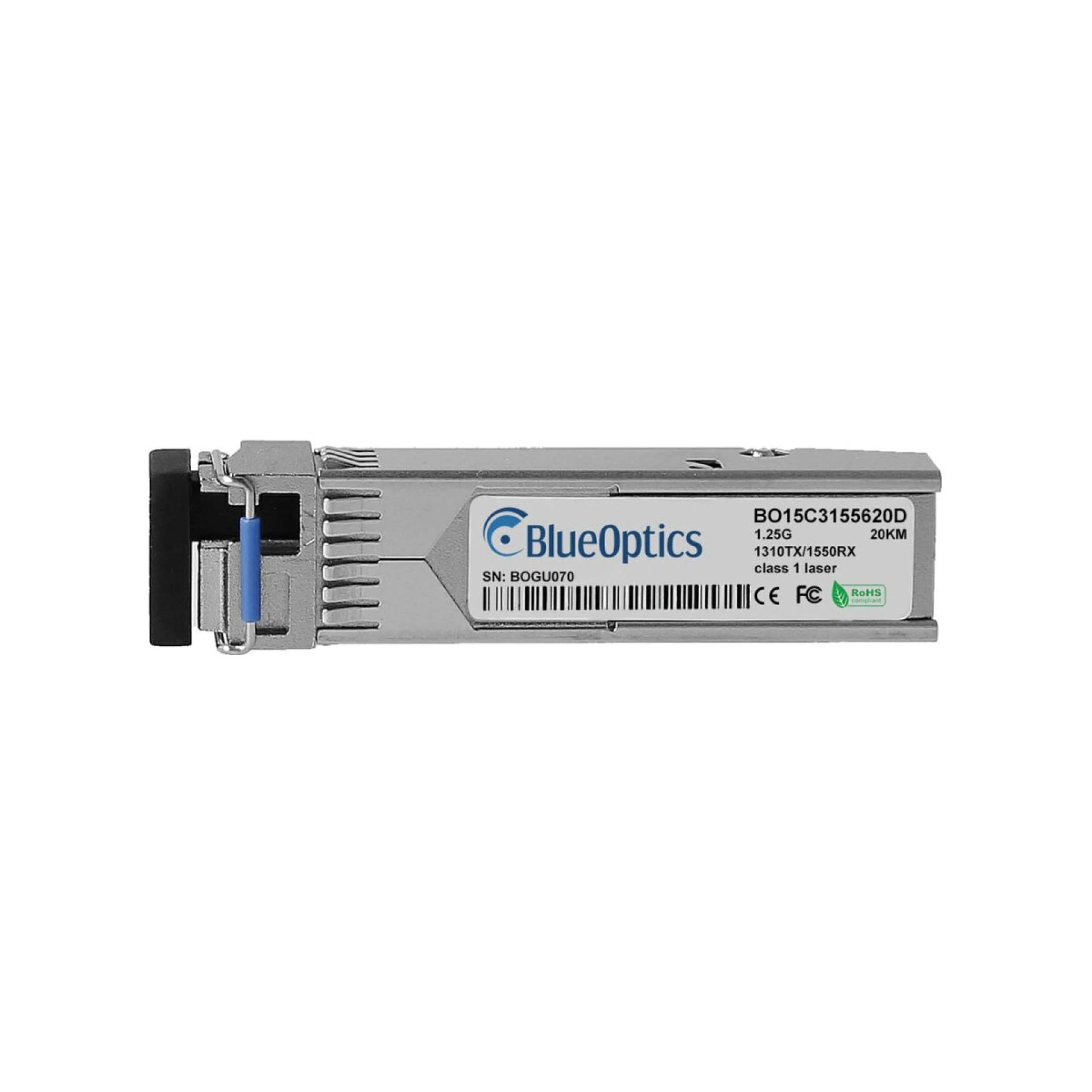
a. SFP (Small Form-Factor Pluggable): SFP modules are compact and widely used in various networking devices. They support different data rates and wavelengths, making them versatile for various applications.
b. SFP+: An enhanced version of SFP, SFP+ supports higher data rates (up to 10 Gbps) and is commonly used in high-speed network applications.
c. QSFP (Quad Small Form-Factor Pluggable): QSFP modules can handle multiple channels, offering higher data rates and increased bandwidth compared to SFP modules. They are typically used in data centers and high-performance computing environments.
d. CFP (C Form-Factor Pluggable): CFP modules are designed for high-speed networks, supporting data rates up to 100 Gbps. They are often used in backbone networks and high-capacity communication systems.
4. Benefits of Optical Transceivers
a. High-Speed Data Transmission: Optical transceivers enable high-speed data transmission, essential for meeting the demands of modern applications such as cloud computing and streaming services.
b. Long-Distance Communication: Fiber optic cables, paired with optical transceivers, allow for long-distance communication with minimal signal degradation, making them ideal for wide-area networks and intercontinental data links.
c. Increased Bandwidth: By supporting technologies like WDM, optical transceivers provide increased bandwidth, allowing multiple data streams to be transmitted simultaneously over a single fiber.
d. Reduced Latency: Optical transceivers help minimize latency in data transmission, which is crucial for real-time applications such as online gaming and video conferencing.
e. Flexibility and Scalability: The modular nature of optical transceivers allows for easy upgrades and scalability, making it simple to adapt to changing network requirements and increasing data demands.
5. Applications of Optical Transceivers
a. Data Centers: In data centers, optical transceivers are used to interconnect servers, storage systems, and networking equipment, ensuring high-speed and reliable data transfer.
b. Telecommunication Networks: Optical transceivers play a crucial role in telecommunication networks, facilitating long-distance communication and supporting various network services.
c. Enterprise Networks: Enterprises use optical transceivers to build robust internal networks that can handle large volumes of data with high speed and reliability.
d. High-Performance Computing (HPC): In HPC environments, optical transceivers are used to connect computing clusters and storage systems, ensuring efficient data processing and high-speed communication.
6. Choosing the Right Optical Transceiver
a. Data Rate: Select an optical transceiver that supports the required data rate for your application. Different modules offer varying speeds, from 1 Gbps to 100 Gbps.
b. Wavelength: Ensure that the optical transceiver is compatible with the wavelength of your fiber optic cables. Common wavelengths include 850 nm, 1310 nm, and 1550 nm.
c. Form Factor: Choose the appropriate form factor for your networking equipment. Options include SFP, SFP+, QSFP, and CFP, among others.
d. Distance: Consider the transmission distance when selecting an optical transceiver. Some modules are designed for short-range communication, while others are optimized for long-distance applications.
e. Compatibility: Ensure that the optical transceiver is compatible with your existing hardware and network infrastructure to avoid compatibility issues.
7. Future Trends in Optical Transceivers
a. Increasing Data Rates: As demand for higher data rates continues to grow, optical transceivers will evolve to support even faster speeds and greater bandwidth.
b. Advanced Technologies: Emerging technologies such as coherent optical transmission and optical networking will drive innovations in optical transceivers, enhancing their capabilities and performance.
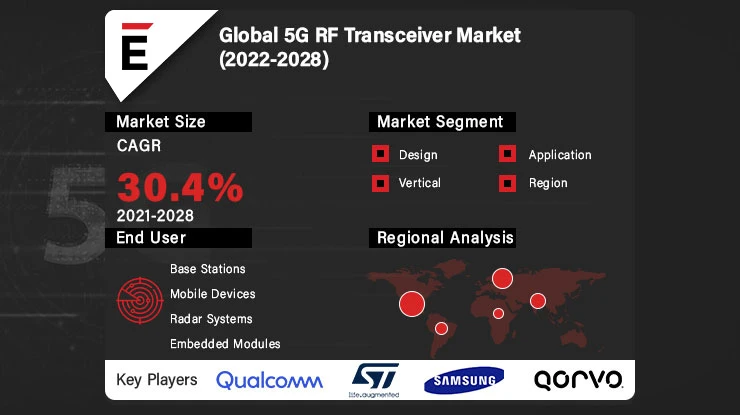
c. Integration with 5G: The rollout of 5G networks will increase the demand for high-speed optical transceivers to support the higher data rates and lower latency requirements of 5G communication.
d. Cost Reduction: Advances in manufacturing and technology will likely lead to cost reductions for optical transceivers, making them more accessible and affordable for various applications.
Conclusion
In summary, optical transceivers are fundamental to modern optical communication systems, providing essential functions such as signal conversion, data transmission, and increased bandwidth. Understanding the different types, benefits, and applications of optical transceivers can help you make informed decisions when selecting the right module for your needs. As technology continues to advance, optical transceivers will play an increasingly important role in shaping the future of high-speed communication.







Sign in to leave a comment.