


Orthopedic implants play a crucial role in modern medical care by helping patients recover from injuries, manage joint disorders, and restore mobility. From stabilizing broken bones to replacing severely damaged joints, orthopedic implant have transformed the way musculoskeletal conditions are treated. These devices not only support physical healing but also improve quality of life by reducing pain and restoring function.
This comprehensive guide explains orthopedic implant in detail, covering fracture fixation, joint replacement, implant types, surgical procedures, recovery, and long-term care. Whether you are a patient considering surgery or someone seeking reliable information, this article offers clear and practical insights.
What Are Orthopedic Implants?
Orthopedic implant are specially designed medical devices placed inside the body to support, align, replace, or stabilize bones and joints. They are commonly used when bones are broken, joints are damaged, or the skeletal system cannot heal properly on its own.
These implants are manufactured using biocompatible materials that work safely with the body. An orthopedic implant may be temporary, assisting healing for a limited period, or permanent, providing long-term support and function.
Why Orthopedic Implants Are Important in Treatment
Orthopedic implant help patients regain movement and strength when natural healing is not enough. They are essential for:
- Stabilizing fractures
- Relieving joint pain caused by arthritis or degeneration
- Correcting bone deformities
- Supporting spinal alignment
- Improving long-term mobility and independence
Without orthopedic implant, many patients would face prolonged pain, limited movement, or improper bone healing.
Fracture Fixation Using Orthopedic Implant
Fracture fixation is one of the most common uses of orthopedic implants. When bones break severely or move out of position, implants help keep them aligned during healing.
Types of Fracture Fixation Orthopedic Implant
Plates and Screws
These orthopedic implant are attached to the surface of the bone to hold broken pieces together. Plates and screws provide strong support and allow bones to heal correctly.
Intramedullary Nails
Inserted inside the bone’s hollow center, these implants stabilize long bones such as the femur or tibia.
Pins and Wires
Often used for small bones or temporary fixation, pins and wires maintain alignment while healing occurs.
Benefits of Fracture Fixation Implants
Orthopedic implant used for fracture fixation offer several advantages:
- Faster healing
- Proper bone alignment
- Reduced pain during recovery
- Early movement and rehabilitation
- Lower risk of deformity or complications
These benefits help patients return to normal activities more quickly.
Joint Replacement and Orthopedic Implant
Joint replacement is another major application of orthopedic implants. When joints become severely damaged due to arthritis, injury, or wear and tear, replacement implants restore movement and relieve pain.
Common Joint Replacement Orthopedic Implant
Knee Replacement Implants
These implants replace damaged cartilage and bone in the knee joint, allowing smoother motion and improved stability.
Hip Replacement Implants
Hip orthopedic implant replace the ball-and-socket joint, improving walking ability and reducing stiffness.
Shoulder, Elbow, and Ankle Implants
Used to restore upper and lower limb function when joints are severely damaged.
When Is Joint Replacement Recommended?
Joint replacement with an orthopedic implant is typically advised when:
- Pain persists despite non-surgical treatments
- Joint stiffness limits daily activities
- Structural joint damage is severe
- Quality of life is significantly reduced
A specialist evaluates imaging results and symptoms before recommending surgery.
Spinal Applications of Orthopedic Implant
Orthopedic implant are also used to treat spinal conditions that cause instability or nerve compression.
Common Spinal Orthopedic Implant
Rods and Screws
These implants stabilize the spine and support fusion procedures.
Spinal Cages
Placed between vertebrae to maintain spacing and support bone growth.
Spinal implants help relieve pain, improve posture, and protect nerve function.
Materials Used in Orthopedic Implant
Orthopedic implants are made from materials chosen for strength, durability, and compatibility with the human body.
Common Implant Materials
Titanium Alloys
Lightweight, strong, and widely used for joint and fracture implants.
Stainless Steel
Often used for temporary fixation implants.
Ceramic Components
Used in joint replacements for smooth movement and wear resistance.
Medical-Grade Polymers
Provide cushioning and flexibility in joint implants.
The choice of material depends on the implant type and patient needs.
Preparing for Orthopedic Implant Surgery
Preparation improves surgical success and recovery outcomes.
Pre-Surgical Assessment
Doctors review medical history, imaging tests, and physical condition.
Lifestyle Adjustments
Patients may be advised to improve nutrition, quit smoking, or perform strengthening exercises.
Understanding the Procedure
Clear communication helps reduce anxiety and supports informed decision-making.
The Orthopedic Implant Surgery Process
Orthopedic implant surgery is carefully planned and performed under sterile conditions.
Surgical Steps
Administration of anaesthesia
Precise placement of the orthopedic implant
Stabilization and alignment of bones or joints
Wound closure and initial recovery
Surgical time varies depending on procedure complexity.
Recovery After Orthopedic Implant Surgery
Recovery plays a key role in treatment success and long-term results.
Early Recovery
Pain management, wound care, and gentle movement are prioritized.
Physiotherapy and Rehabilitation
Guided exercises restore strength, flexibility, and movement.
Gradual Return to Activities
Patients resume daily tasks step by step under medical supervision.
Following rehabilitation plans ensures better outcomes.
Long-Term Care and Maintenance of Orthopedic Implants
Long-term care helps orthopedic implant perform effectively for many years.
Regular Follow-Up s
Routine checkups monitor implant condition and bone health.
Maintaining a Healthy Lifestyle
A balanced diet, weight control, and regular activity support implant longevity.
Avoiding Excessive Strain
Protecting joints and bones reduces wear and tear on implants
Risks and Possible Complications
Orthopedic implant are generally safe, but potential risks include:
- Infection
- Implant loosening or wear
- Blood clots
- Allergic reactions to materials
Most complications are rare and manageable with proper care
Lifespan of Orthopedic Implants
Modern orthopedic implant are designed to last for many years. Joint replacements often function effectively for 15 to 25 years or longer. Implant lifespan depends on factors such as activity level, body weight, and adherence to medical advice.
Advances in Orthopedic Implant Technology
Technological progress continues to improve patient outcomes.
Customized Orthopedic Implant
Personalized designs ensure better fit and comfort.
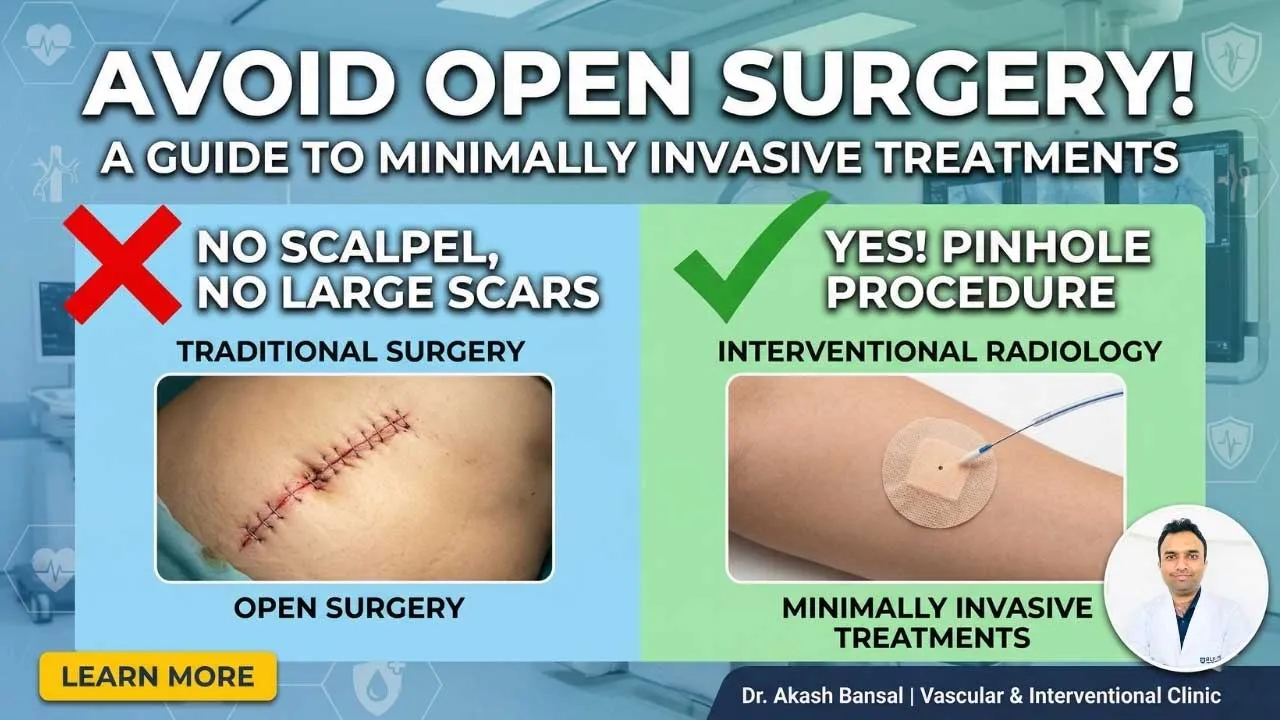
Minimally Invasive Techniques
Smaller incisions reduce pain and recovery time.
Smart Implant Innovations
Emerging systems allow monitoring of implant performance.
Conclusion
Orthopedic implants have revolutionized the treatment of bone, joint, and spine conditions. From fracture fixation to joint replacement, these devices provide stability, reduce pain, and restore mobility for millions of patients. Understanding how orthopedic implants work, what to expect from surgery, and how to manage long-term care empowers patients to make confident healthcare decisions. With ongoing advancements, orthopedic implants continue to offer safe, effective, and lasting solutions for musculoskeletal health.
Frequently Asked Questions About Orthopedic Implants
1. What conditions require orthopedic implants?
Orthopedic implants are used for fractures, joint damage, arthritis, spinal disorders, and bone deformities.
2. Are orthopedic implant permanent?
Some implants are permanent, while others are temporary and removed after healing.
3. How long does recovery take?
Recovery varies by procedure but usually ranges from weeks to months.
4. Can an orthopedic implant restore normal movement?
Most patients experience significant improvement in mobility and comfort.
5. Are orthopedic implants safe for older adults?
Yes, they are commonly used to restore mobility in older patients.
6. Will I need physiotherapy after surgery?
Physiotherapy is essential for regaining strength and movement.
7. Can orthopedic implant wear out?
Over time, wear can occur, but modern implants are designed for long-term use.
8. How do I take care of orthopedic implants?
Regular follow-ups, healthy habits, and following medical advice ensure implant longevity.


























Sign in to leave a comment.