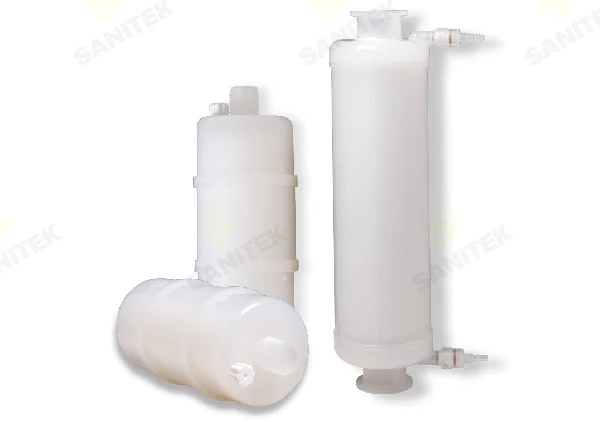

Polyethersulfone (PES) membranes are a critical component in various filtration and separation processes across multiple industries.
Known for their excellent mechanical strength, chemical resistance, and thermal stability, PES membranes have become a preferred choice in applications ranging from water treatment to biotechnology.
This article delves into the properties, applications, benefits, and future directions of PES membranes, highlighting their significance in modern technological and industrial processes.
Properties of PES Membranes
Polyethersulfone (PES) is a high-performance thermoplastic polymer known for its robust physical and chemical properties. PES membranes, derived from this polymer, exhibit several key characteristics:
Chemical Resistance: PES membranes are resistant to a wide range of chemicals, including acids, bases, and organic solvents. This makes them suitable for harsh environments and chemical processing applications.
Thermal Stability: PES membranes maintain their structural integrity and performance over a broad temperature range, making them ideal for applications involving high temperatures.
Mechanical Strength: These membranes possess excellent tensile strength and are resistant to mechanical stress, ensuring durability and longevity in demanding applications.
Hydrophilicity: PES membranes are naturally hydrophilic, which enhances their wettability and water permeability. This property is particularly beneficial in water filtration and biomedical applications.
Low Protein Binding: The low protein-binding capacity of PES membranes minimizes the risk of clogging and fouling, which is crucial in biomedical and pharmaceutical applications where maintaining the purity of solutions is essential.
Applications of PES Membranes
PES membranes are utilized in a variety of applications across different industries due to their versatile properties:
Water Treatment: In water and wastewater treatment, PES membranes are used for microfiltration and ultrafiltration processes. They effectively remove particulates, microorganisms, and other contaminants, ensuring clean and safe water.
Biotechnology and Pharmaceuticals: PES membranes play a vital role in the biotechnology and pharmaceutical industries for sterilization and filtration of biological fluids, cell cultures, and pharmaceutical products. Their low protein binding and high throughput make them ideal for these sensitive applications.
Food and Beverage: In the food and beverage industry, PES membranes are used for the filtration of beverages, including beer, wine, and juices. They help in removing impurities and microorganisms without affecting the taste and quality of the final product.
Medical Devices: PES membranes are employed in medical devices such as dialysis filters, where their biocompatibility and low protein binding properties are crucial for patient safety and treatment efficacy.
Microelectronics: In the microelectronics industry, PES membranes are used for the filtration of ultrapure water and chemicals, which are essential in the manufacturing of semiconductors and other electronic components.
Gas Separation: PES membranes are also used in gas separation processes, where their chemical resistance and thermal stability contribute to the efficient and effective separation of gases in various industrial applications.
Benefits of PES Membranes
The adoption of PES membranes in various industries offers numerous benefits:
Enhanced Filtration Efficiency: PES membranes provide high filtration efficiency, ensuring the removal of contaminants while maintaining high flow rates and throughput.
Longevity and Durability: The robust mechanical strength and chemical resistance of PES membranes result in longer service life and reduced need for frequent replacements, leading to cost savings.
Versatility: The wide range of applications and compatibility with different chemicals and temperatures make PES membranes a versatile solution for diverse filtration needs.
High Purity and Safety: The low protein binding and biocompatibility of PES membranes ensure high purity and safety in critical applications, such as pharmaceuticals and medical devices.
Environmental Impact: PES membranes contribute to environmental sustainability by enabling efficient water treatment and waste reduction in various industrial processes.
Technology Behind PES Membranes
The production and performance of PES membranes are influenced by several technological factors:
Membrane Fabrication: PES membranes are typically fabricated using phase inversion or casting methods. These processes involve dissolving the polymer in a solvent and then precipitating it in a controlled manner to form a porous structure.
Pore Size Control: The pore size of PES membranes can be precisely controlled during fabrication to meet specific application requirements. This allows for the customization of membranes for microfiltration, ultrafiltration, or nanofiltration.
Surface Modification: Surface modification techniques can be employed to enhance the hydrophilicity, biocompatibility, and antifouling properties of PES membranes. This is achieved through chemical treatments or the addition of surface-active agents.
Composite Membranes: Advances in membrane technology have led to the development of composite PES membranes, where PES is combined with other materials to improve performance characteristics such as mechanical strength and selectivity.
Future Directions and Innovations
The future of PES membranes holds exciting possibilities driven by ongoing research and technological advancements:
Advanced Functionalization: Research is focused on developing advanced functionalization techniques to enhance the performance of PES membranes. This includes incorporating antimicrobial agents to prevent biofouling and improving selective permeability for specific applications.
Nanotechnology Integration: The integration of nanotechnology in PES membrane fabrication is expected to lead to membranes with superior properties, such as increased surface area, enhanced permeability, and improved mechanical strength.
Green Manufacturing: Efforts are being made to develop greener manufacturing processes for PES membranes, reducing the environmental impact of production and enhancing the sustainability of membrane technology.
Smart Membranes: The development of smart PES membranes with responsive properties, such as stimuli-responsive permeability, is an emerging area of research. These membranes can adapt to changing environmental conditions and offer enhanced control over filtration processes.
Broader Applications: The versatility of PES membranes continues to expand, with potential new applications in emerging fields such as bioelectronics, advanced therapeutics, and environmental monitoring.
Conclusion
PES membranes are a cornerstone of modern filtration and separation technologies, offering unparalleled performance in a wide range of applications. Their robust properties, including chemical resistance, thermal stability, and low protein binding, make them indispensable in industries ranging from water treatment to pharmaceuticals.
As technological advancements continue to drive innovation, the future of PES membranes looks promising, with new developments poised to enhance their functionality and sustainability. By understanding and leveraging the benefits of PES membranes, industries can achieve greater efficiency, safety, and environmental responsibility in their operations.


























Sign in to leave a comment.