
Pigmentation issues are among the most common skin concerns that affect people of all ages and skin types. They can appear in the form of dark spots, uneven skin tone, freckles, or larger patches of discoloration, and often lead individuals to seek professional help for a clearer, more even complexion. While pigmentation is not usually a medical concern it can have a significant impact on confidence and self-esteem making effective solutions highly sought after. This article explores the causes of pigmentation, modern approaches to pigmentation treatment, and what individuals can realistically expect when pursuing solutions.
What Causes Pigmentation?
Pigmentation occurs when melanin, the pigment that gives our skin, hair, and eyes their color, is overproduced in certain areas. Several factors contribute to this overproduction, including:
- Sun Exposure – Ultraviolet (UV) rays from the sun stimulate melanin production, often leading to sunspots or freckles that become more prominent over time.
- Hormonal Changes – Conditions such as melasma, often triggered by pregnancy, contraceptive use, or hormone therapy, can cause uneven patches of pigmentation on the face.
- Post-Inflammatory Hyperpigmentation – Acne, eczema, or other skin injuries may leave behind dark spots once the skin heals.
- Ageing – With time, age spots or liver spots appear due to prolonged sun damage and the natural ageing process.
- Genetic Predisposition – Some individuals are more prone to pigmentation issues due to their genetic background.
Understanding the cause of pigmentation is essential, as it allows specialists to recommend targeted treatments that address both the symptoms and underlying triggers.
Approaches to Pigmentation Treatment
Modern dermatology offers a wide range of options for managing pigmentation. These methods vary from topical applications to advanced clinical procedures, each designed to tackle different levels of severity. Some of the most effective options include:
Topical Creams and Serums
Dermatologists often prescribe creams containing active ingredients such as hydroquinone, retinoids, kojic acid, azelaic acid, or vitamin C. These agents help to gradually lighten dark spots and prevent new pigmentation from forming. Over-the-counter serums enriched with antioxidants also provide mild improvements, especially for those with early signs of discoloration.
Chemical Peels
Chemical peels involve applying a solution that exfoliates the outer layer of the skin, allowing fresh, evenly toned skin to emerge. Depending on the depth of pigmentation, professionals may recommend superficial, medium, or deep peels. This option is particularly effective for sun-induced pigmentation and post-acne marks.
Laser Therapy
Laser treatments are highly precise and can target pigment without damaging the surrounding skin. They work by breaking down melanin deposits, which are then naturally cleared away by the body. Multiple sessions are often required, but results can be long-lasting when combined with proper sun protection.
Microneedling and Radiofrequency
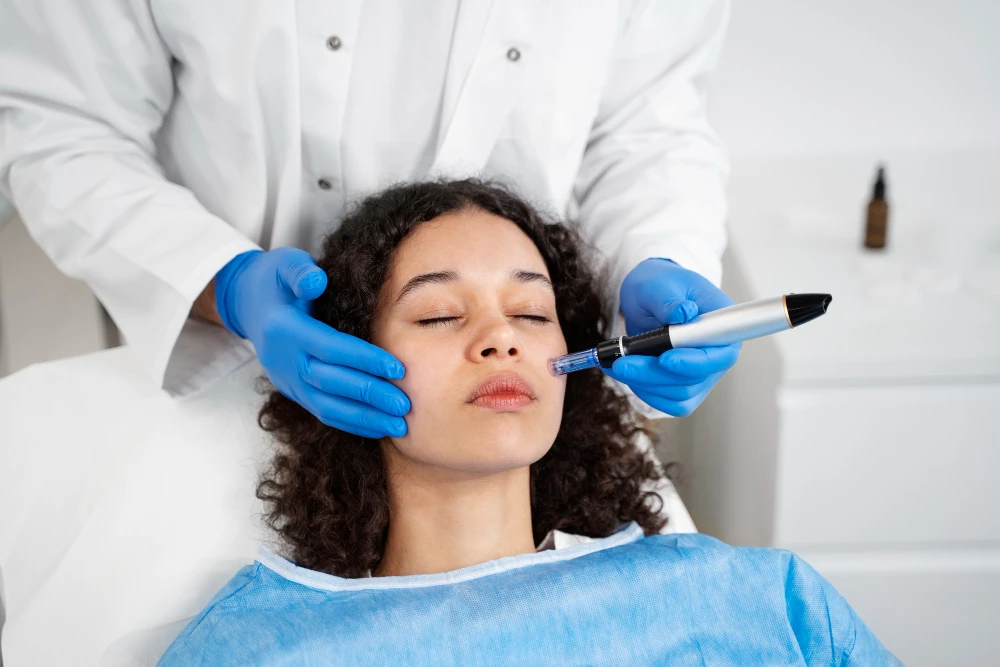
Microneedling stimulates collagen production and encourages skin renewal, which can reduce pigmentation over time. When combined with radiofrequency or specialized serums, the results are often enhanced, making the skin appear more even and radiant.
Intense Pulsed Light (IPL)
IPL is another light-based therapy that targets pigment clusters beneath the skin’s surface. It is particularly suitable for treating freckles, sunspots, and redness associated with vascular conditions.
Professional Advice and Custom Plans
Since pigmentation can arise from different causes, dermatologists or skin specialists typically create personalized treatment plans. A tailored approach ensures that patients receive the right combination of therapies, maximizing both safety and effectiveness.
Preventing Pigmentation from Worsening
Treatment alone is not sufficient unless supported by preventive care. Daily habits play a crucial role in maintaining results and avoiding the recurrence of pigmentation. Key preventive strategies include:
- Sun Protection – Wearing sunscreen with at least SPF 30 is vital. Broad-spectrum protection prevents UV damage, one of the leading causes of pigmentation.
- Protective Clothing – Wide-brimmed hats, sunglasses, and long sleeves can shield the skin from direct sun exposure.
- Consistent Skincare Routine – Using gentle cleansers, hydrating moisturizers, and antioxidant-rich serums helps maintain overall skin health.
- Healthy Lifestyle Choices – A diet rich in vitamins, adequate hydration, and avoidance of smoking and excessive alcohol consumption contribute to skin vitality.
- Regular Follow-Ups – Monitoring progress with a dermatologist ensures that pigmentation is kept under control and that any adjustments to treatment are made promptly.
Realistic Expectations from Treatment
While pigmentation treatment is highly effective, it is important to have realistic expectations. Pigmentation rarely disappears overnight; instead, improvements occur gradually over weeks or months. In many cases, a combination of therapies produces the best results. Ongoing care including consistent use of sunscreen and maintenance treatments is often required to sustain improvements.
Patients should also understand that while treatments can significantly reduce pigmentation and restore clarity, complete eradication may not always be possible. The goal is to achieve an even and healthy-looking complexion while preventing future discoloration too.
Beyond Pigmentation: Broader Skin Health
Addressing pigmentation often opens the door to exploring broader skin-enhancing procedures. Many individuals who begin with treatments for discoloration eventually consider options that improve overall skin texture, hydration, and firmness. This is where advanced services such as facial rejuvenation treatments come into play. These procedures not only enhance skin tone but also restore youthful radiance and give individuals a more comprehensive transformation too as well.
Conclusion
Pigmentation is a common yet treatable concern that affects people worldwide too. Advances in dermatology now provide a variety of solutions ranging from topical creams to cutting-edge laser therapy too as well. With professional guidance individuals can regain clearer and more radiant skin and prevent pigmentation from recurring. By combining effective treatment with preventive care and realistic expectations, it is possible to achieve long-term improvements that significantly boost confidence and overall skin health.




























Sign in to leave a comment.