

Becoming a mother is often described as one of life’s most beautiful experiences. Yet, for many women, the journey into motherhood can also bring unexpected emotional challenges. While moments of joy and bonding exist, feelings of sadness, worry, or even panic can quietly take over. These experiences are far more common than many realize—and they are not a reflection of weakness or failure.
Across North Carolina, more women are reaching out for professional help from a postpartum depression therapist in NC or a postpartum anxiety therapist in NC to navigate these challenges with compassion and understanding. Let’s explore what these conditions mean, why they occur, and how therapy can help new mothers find their way back to emotional balance.
What Is Postpartum Depression?
Postpartum depression (PPD) is a form of clinical depression that occurs after childbirth. It can develop within a few weeks after delivery or even several months later. Unlike the “baby blues,” which typically resolve within two weeks, postpartum depression is more intense and longer lasting.
Common symptoms include:
- Persistent sadness or tearfulness
- Loss of interest or pleasure in activities
- Feelings of guilt, shame, or worthlessness
- Difficulty bonding with the baby
- Sleep disturbances or exhaustion beyond normal fatigue
- Changes in appetite
- Thoughts of hopelessness or fear of being a “bad mother”
A postpartum depression therapist in NC helps women recognize that these feelings are not their fault—they are signs of a mental health condition that can be treated effectively.
Understanding Postpartum Anxiety
While postpartum depression is widely discussed, postpartum anxiety often goes unnoticed. Many mothers experience overwhelming worry, racing thoughts, and physical symptoms like rapid heartbeat or dizziness.
Common signs of postpartum anxiety include:
- Constant fear about the baby’s safety
- Difficulty relaxing or sleeping even when the baby is asleep
- Intrusive, distressing thoughts
- Physical symptoms such as nausea, trembling, or shortness of breath
- Feeling “on edge” or restless most of the day
A postpartum anxiety therapist in NC specializes in helping new mothers identify these patterns and learn coping strategies to regain calm and confidence.
Why Do These Conditions Happen?
Postpartum depression and anxiety can result from a mix of biological, emotional, and social factors.
- Hormonal changes: After childbirth, estrogen and progesterone levels drop dramatically, affecting mood and energy levels.
- Sleep deprivation: New mothers often experience chronic exhaustion, which impacts emotional regulation.
- Life transition: The adjustment to new roles, routines, and responsibilities can feel overwhelming.
- Isolation: Many mothers feel disconnected from their support systems, especially if family is far away or partners have returned to work.
- History of mental health conditions: Women with previous experiences of anxiety or depression are at higher risk.
Therapy offers a safe space to unpack these factors and address them through personalized care.
The Role of a Postpartum Therapist
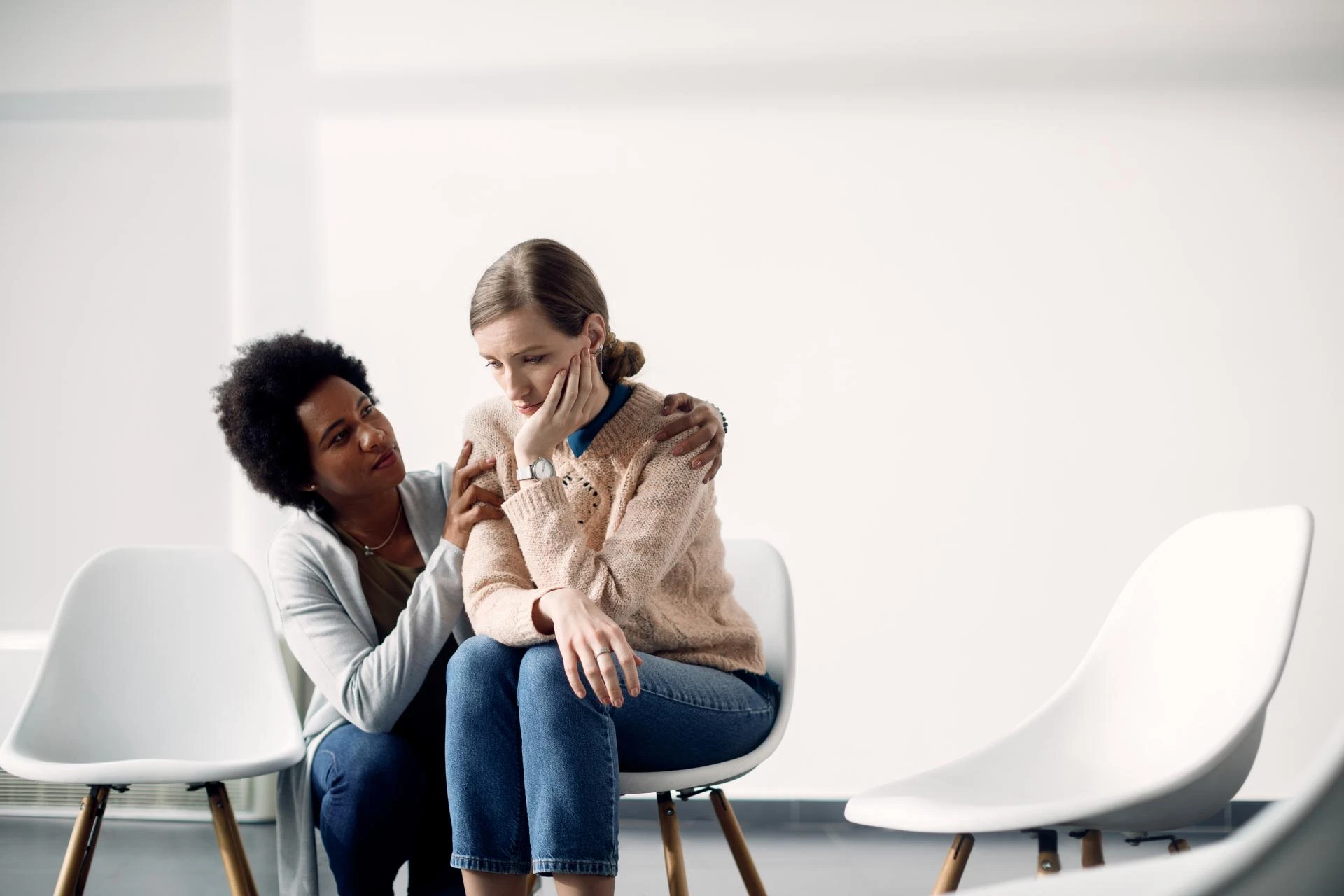
A postpartum depression or anxiety therapist in NC plays a vital role in helping mothers recover emotionally and mentally after childbirth. Therapy provides a judgment-free zone where women can share their fears, frustrations, and guilt without stigma.
Therapists use a combination of evidence-based approaches such as:
- Cognitive Behavioral Therapy (CBT): Helps mothers challenge negative thoughts and replace them with balanced perspectives.
- Interpersonal Therapy (IPT): Focuses on improving communication and relationship support during this sensitive period.
- Mindfulness and Relaxation Techniques: Encourage grounding and stress reduction through breathing, meditation, and present-moment awareness.
- Supportive Counseling: Offers empathy, validation, and practical tools for navigating new motherhood.
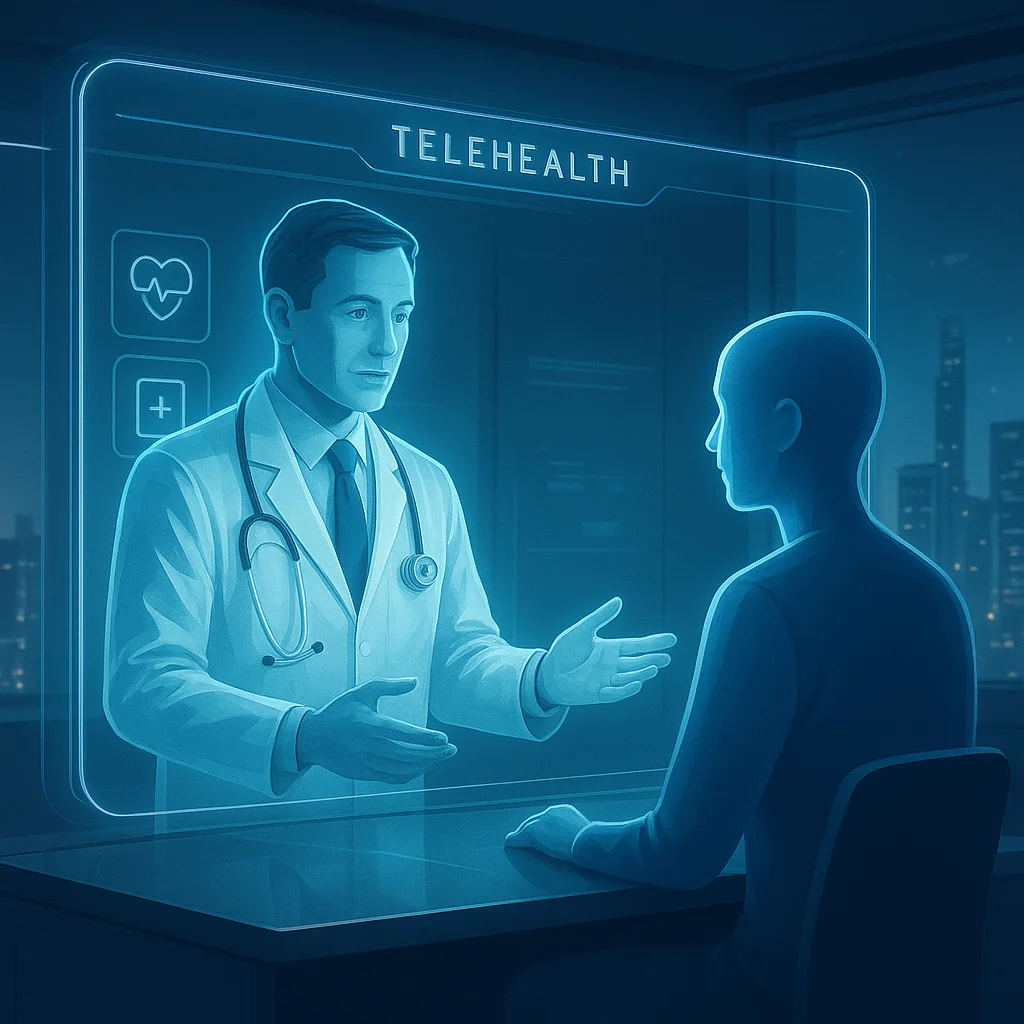
In North Carolina, online therapy has also become a valuable option for postpartum women who find it difficult to leave home with a newborn.
Breaking the Stigma Around Postpartum Mental Health
One of the biggest challenges in addressing postpartum depression and anxiety is the stigma that surrounds them. Society often expects mothers to feel nothing but happiness after childbirth, which can make women afraid to speak up when they’re struggling.
But the truth is: postpartum mental health conditions are medical issues, not moral failings. Seeking help is an act of courage and love—not only for oneself but for the entire family. When a mother receives care, both she and her baby benefit from a healthier, more nurturing environment.
Therapists who specialize in postpartum care understand the unique pressures that come with motherhood. They provide reassurance that healing is possible, and that asking for help is the first step toward reclaiming peace of mind.
Practical Ways to Manage Postpartum Anxiety and Depression
While professional therapy is the most effective path to recovery, there are daily strategies that can help manage symptoms:
- Ask for help early: Whether from family, friends, or a professional, support can lighten your mental load.
- Prioritize rest: Even short naps or moments of quiet can make a difference.
- Eat balanced meals: Nutrition directly impacts energy and mood.
- Connect with other mothers: Support groups—both online and in-person—can remind you that you’re not alone.
- Be gentle with yourself: Healing takes time; there’s no “perfect” way to be a mother.
These small steps, when combined with therapy, can create a strong foundation for emotional recovery.
Frequently Asked Questions (FAQs)
Q1. How do I know if I need a postpartum depression therapist in NC?
If sadness, guilt, or emotional numbness persist beyond two weeks after birth—or if these feelings interfere with bonding or daily functioning—it’s important to seek professional help.
Q2. What’s the difference between baby blues and postpartum depression?
The “baby blues” usually appear a few days after delivery and fade within two weeks. Postpartum depression lasts longer, feels more intense, and often requires professional support.
Q3. Can postpartum anxiety occur without depression?
Yes. Many mothers experience anxiety without feeling depressed. Excessive worry, racing thoughts, or panic attacks after birth can be signs of postpartum anxiety.
Q4. Is therapy effective for postpartum depression and anxiety?
Absolutely. Research shows that psychotherapy—especially CBT and IPT—is highly effective for treating both conditions. Early intervention leads to faster and more lasting recovery.
Q5. Can online therapy help postpartum mothers?
Yes. Online sessions allow mothers to access professional support from home, making it easier to maintain consistency in treatment while caring for a newborn.
Q6. Can partners also attend therapy sessions?
Yes. Involving partners can improve understanding, communication, and shared coping strategies, helping both parents navigate this life stage together.
Final Thoughts
Motherhood is a profound journey—filled with love, change, and growth—but it’s also a time that can challenge even the strongest women. Experiencing postpartum depression or anxiety does not make you a bad mother; it makes you human. What matters most is recognizing when you need support and allowing yourself to receive it.
If you’re struggling to find balance after childbirth, reaching out to a postpartum depression therapist in NC or a postpartum anxiety therapist in NC can be the first step toward healing. Therapy can help you rediscover your strength, rebuild confidence, and reconnect with the joy of motherhood.
At Mindspace Counseling, compassionate care is at the heart of everything we do. Our therapists understand the unique emotional journey that follows birth and are here to walk beside you every step of the way. Healing begins with one conversation—when you’re ready, we’re here to listen.






























Sign in to leave a comment.