
Whether you need someone to act on your behalf for property transactions, medical decisions, or financial management, a POA provides the necessary authority. In this blog, we will explore what Power of Attorney is, its types, importance, and how to obtain one.
What is Power of Attorney?
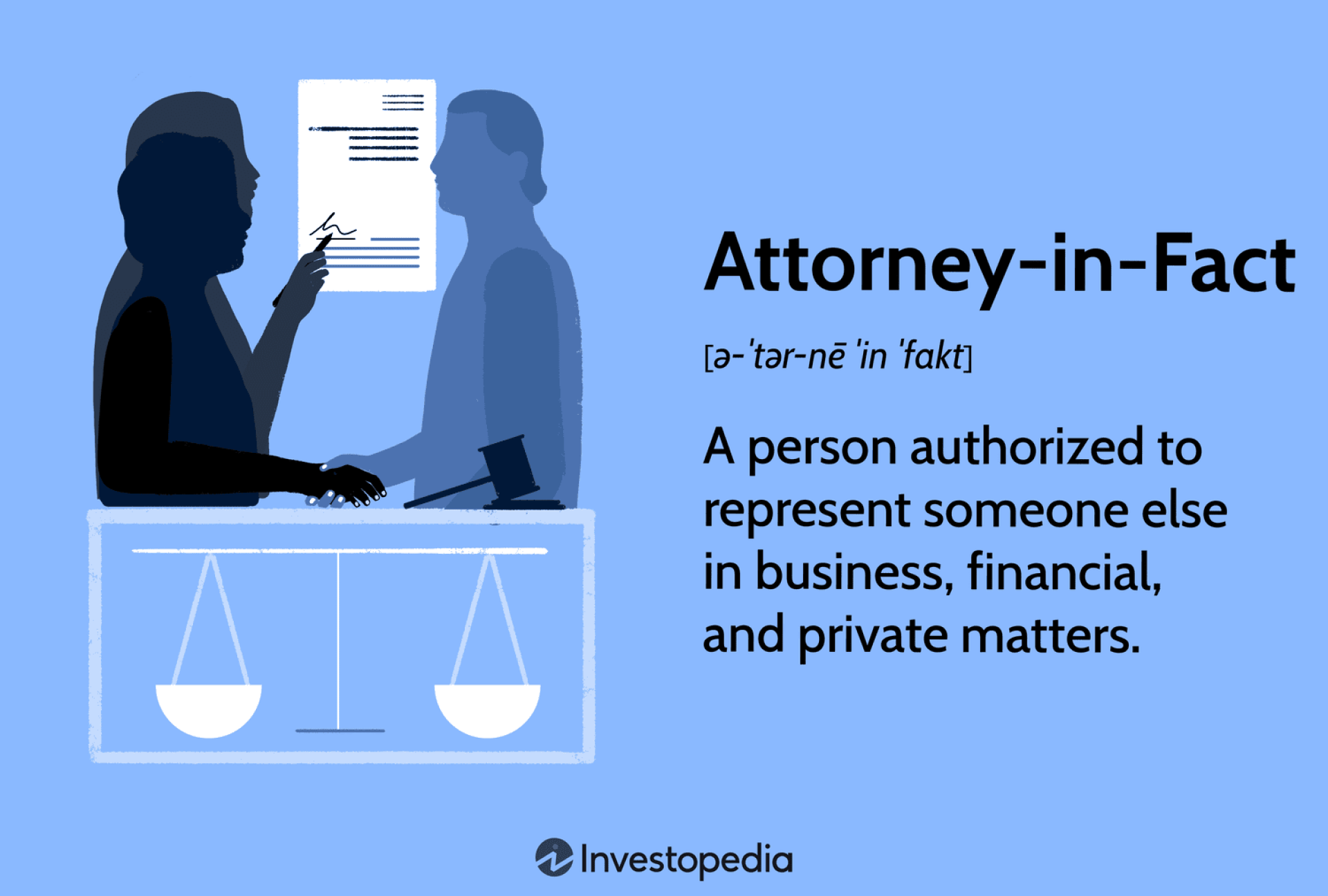
A Power of Attorney (POA) is a legal document that allows an individual (the principal) to grant another person (the agent or attorney-in-fact) the authority to act on their behalf. The level of authority can range from handling financial matters to making medical decisions, depending on the type of POA issued.
Types of Power of Attorney
Understanding the different types of Power of Attorney is essential to choose the right one for your needs.
- General Power of Attorney (GPA) – This grants broad authority to the agent, including financial, legal, and property-related decisions.
- Special or Limited Power of Attorney – This is given for a specific purpose, such as selling a property or handling bank transactions.
- Durable Power of Attorney – Unlike a general POA, this remains valid even if the principal becomes incapacitated.
- Medical Power of Attorney – This allows the agent to make healthcare decisions if the principal is unable to do so.
- Financial Power of Attorney – This is specifically for managing financial affairs like banking, tax filings, and property transactions.
- Springing Power of Attorney – This comes into effect only under specific conditions, such as the principal becoming mentally incapacitated.
Why is Power of Attorney Important?
A Power of Attorney is essential for individuals who may be unable to manage their affairs due to health issues, travel, or legal complexities. Here are some key benefits:
- Convenience: It allows a trusted individual to manage financial transactions and legal matters when you are unavailable.
- Medical Decisions: Ensures that your medical preferences are followed if you become unable to make decisions.
- Business and Property Management: Useful for entrepreneurs and property owners who need someone to handle their affairs in their absence.
- Continuity in Crisis: A Durable Power of Attorney ensures smooth decision-making even if the principal faces health-related incapacities.
How to Get a Power of Attorney?
The process of obtaining a POA varies by jurisdiction, but the general steps include:
- Determine the Type of POA – Choose the appropriate type based on your needs.
- Draft the POA Document – The document should clearly define the scope of authority, duration, and responsibilities.
- Choose a Trusted Agent – Appoint someone reliable who understands their responsibilities.
- Notarization & Registration – Depending on local laws, the POA may need to be notarized and registered for legal validity.
- Legal Review – Consulting a legal expert ensures that the POA meets all legal requirements and protects your interests.
Revoking a Power of Attorney
A POA can be revoked at any time, provided the principal is mentally competent. The revocation process includes:
- Drafting a Revocation Letter
- Notifying the Agent and Relevant Authorities
- Updating Legal Records
Conclusion
A Power of Attorney is a vital legal tool that ensures your affairs are handled smoothly when you are unable to do so. Whether it’s managing finances, medical decisions, or property dealings, having a well-drafted POA provides peace of mind and security.
For more insightful blogs on legal and financial topics, visit Hexahome.































Sign in to leave a comment.